Few things stir up a quiet street like a project in the backyard. A new fence, a pile of fresh dirt, or a tree that suddenly gets a haircut can turn a friendly wave over the hedge into a stony silence.
The rules behind these disputes depend on your state and your town, so this is general information and not legal advice. Still, legal publishers and attorneys have laid out the common trouble spots. Here are nine backyard changes that can start a dispute, with the sources named.
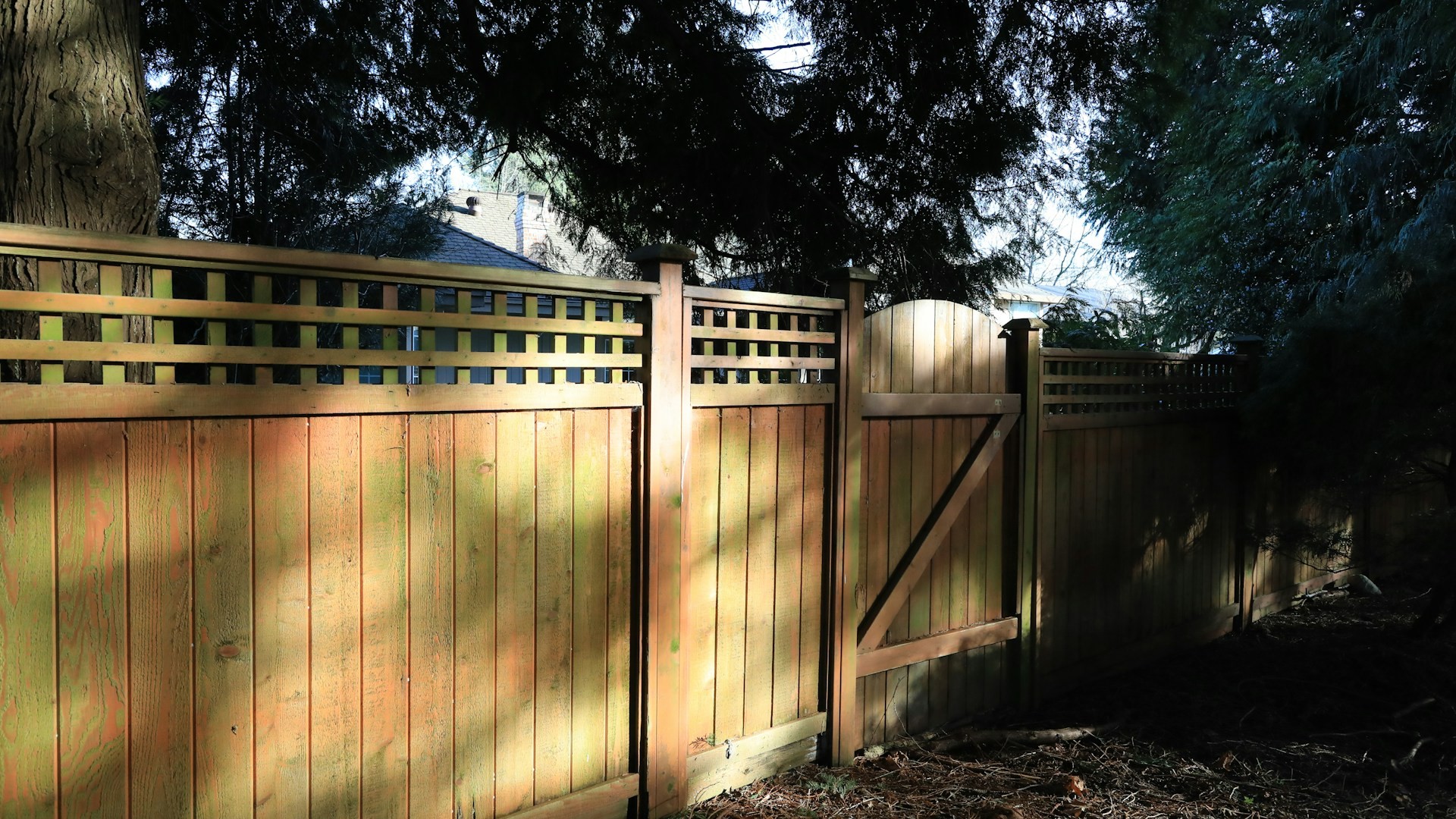
Putting Up A Fence On The Line Before Talking About Who Pays
According to Super Lawyers, in an article by Judy Malmon, J.D., updated in February 2026, owners of a fence on the property line generally share costs for installation and maintenance. The owner who paid for a project can sue the neighbor who did not pay a half share.
The easy way around that is a friendly talk first. Attorney Mary C. Anderson of Bothell, Washington, told Super Lawyers that the best first step is a conversation, since many disputes are based on principle and cost a lot to settle.
A Fence That Ends Up On The Neighbor’s Side
Super Lawyers says a fence built in good faith on the neighbor’s side, or one that sits over the line, may need to be moved. Requirements vary by jurisdiction.
Anderson recommends getting a survey before buying property, and again if a dispute arises. A surveyor’s stakes settle a lot of arguments.
Building Higher Than Your Town Or Your HOA Allows
The same article says cities set their own fence rules, and some require a building permit for fences taller than the local limit. HOA rules may set height limits, colors, setbacks, and materials, such as banning chain-link.
Check both before the first post goes in the ground. A fence that breaks the rules can end up being taken down.
Tearing Out A Shared Fence Without Giving Notice
Super Lawyers reports that in many states you must give written notice before removing all or part of a boundary fence. If the neighbor objects, they may pay you for the fence at an agreed rate.
The article also advises against entering a neighbor’s property without permission, even to make a repair. If a neighbor will not fix their side, you can sue to compel repairs, or repair it yourself and sue for the cost.
Leaving A Shared Gate Open
It sounds small, but Super Lawyers notes that both owners are generally responsible for keeping gates closed. The person at fault may be liable for damage from an open gate.
If pets, kids, or a pool are on the other side, a latched gate matters to everyone.
Regrading The Yard So The Water Heads Next Door
FindLaw, in an article last updated June 13, 2025, says who is liable for water problems depends on state law. It describes three main approaches, called reasonable use, common enemy, and civil law, and says the outcome of any dispute depends on local law.
Under the reasonable use approach, which FindLaw says most states follow, courts weigh whether a change was necessary, how much harm it caused, and whether less harmful options existed. The article recommends consulting a real estate attorney to review your state’s rules.
Aiming Downspouts At The Property Line
FindLaw explains that artificial water flow from human changes, such as grading, drainage systems, or gutters, is often acceptable. But an owner cannot intentionally direct water onto a neighbor’s property, such as by aiming downspouts at the line or grading the yard to push water over.
Excessive or unreasonable artificial flow can give rise to a lawsuit for damages. A downspout extension that points at your own lawn is a cheap way to stay out of it.
Trimming A Neighbor’s Branches Or Roots Too Hard
Super Lawyers, in a separate article updated March 5, 2026, says a neighbor may historically trim overhanging branches or roots up to the property line. That article adds that the right is not absolute, citing the 1994 California case Booska v. Patel, where a contractor cut roots along the whole line and the tree could not survive.
Entering the neighboring land to trim is not allowed, and damaging a tree across the boundary can make a trimmer liable for two to three times actual damages, the article says. Many states have added limits, so the scope varies.
Cutting Down A Tree That Sits On The Line
Super Lawyers says that when a trunk straddles the line, the tree is shared, even if it started entirely on one side. Neither neighbor may trim, treat, or cut it without the other’s consent.
Homes and Gardens adds, in a July 2024 article by Alex David, that municipalities and homeowners’ associations may restrict where trees can be planted, such as near fire hydrants, power lines, intersection sightlines, or fences. Planting a tree is a change too, so check the rules first.
A Few Habits That Keep The Peace
Every source above lands in the same place. Talk first, check your local rules, and keep a record of what you and your neighbor agree to.
A survey, a permit check, and a friendly note over the fence cost far less than a courtroom. When in doubt, a local real estate attorney can tell you how your state handles it.
Sources: Super Lawyers, “How To Avoid a Fence Dispute in My State: FAQs” (2026); Super Lawyers, “Who Is Responsible When a Neighbor’s Tree Falls on My Yard?” (2026); FindLaw, “Water Damage and Neighbor Disputes” (2025); and Homes and Gardens, “Who is liable if my neighbor’s tree falls in my yard?” (2024).
More Stories You May Like
- Homeowner Suspects Her HOA Replaced Her Neighbor’s Porch Instead Of Hers After Her Own Rotted Porch Work Order Was Closed The Next Day
- Skipping Primer Buying Cheap Rollers And Painting Without A Sample Patch Is How Homeowners Pay For The Same Wall Twice And The Fixes Are Easy
- Never Flushing The Water Heater Tank And Ignoring The Age On The Label Is How A Cheap Chore Becomes A Flooded Utility Room
Leave a Reply