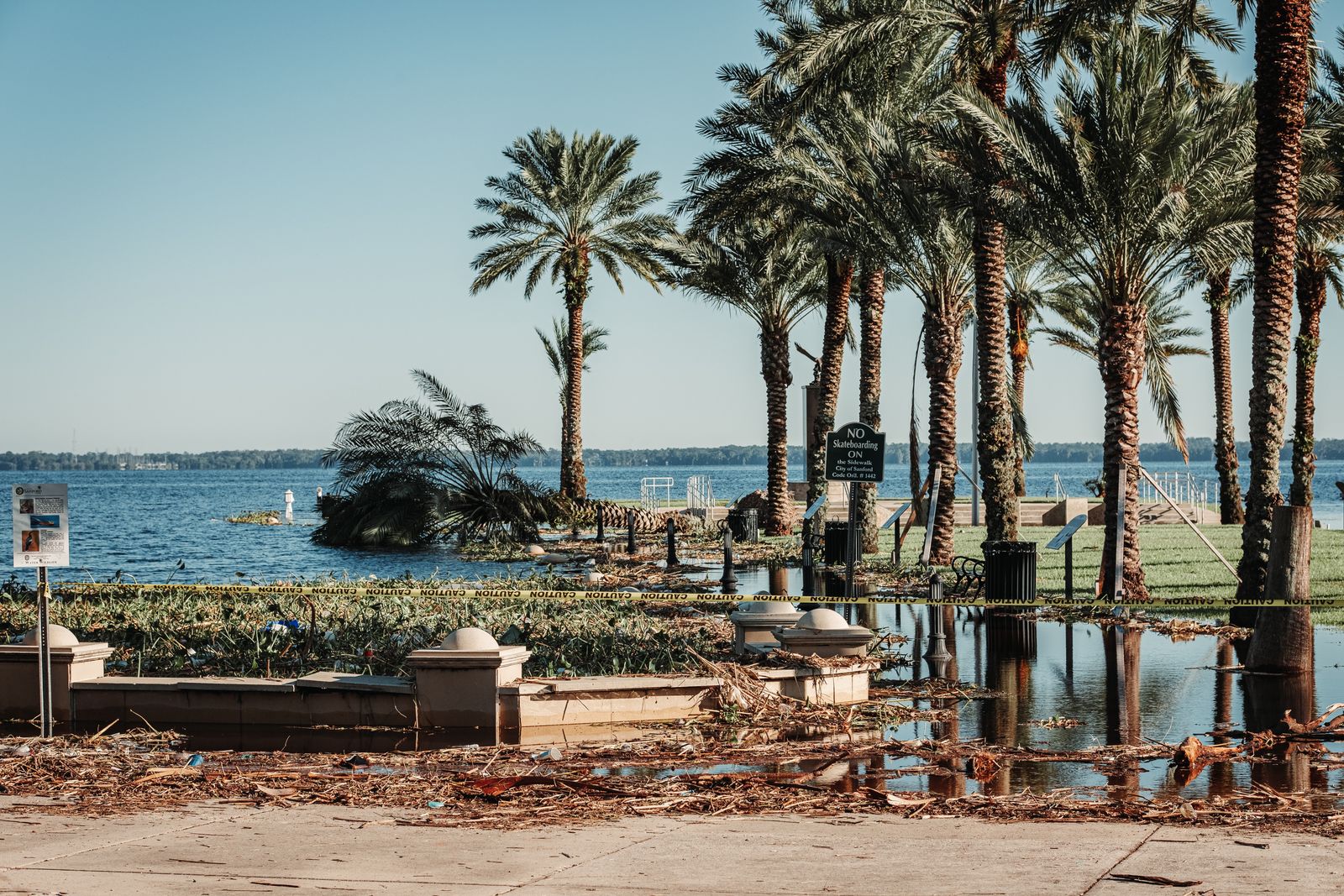
Five tropical storms. That is the entire tally for the Atlantic through the first week of September, and every one of them fizzled out fast. It is the slowest start to an Atlantic hurricane season since at least 1966 when measured by accumulated cyclone energy, according to weather.com. For homeowners along the Gulf and East coasts, that should sound like good news. It probably is not the kind of good news that shows up on their insurance bill.
Why the Atlantic Went Quiet
The culprit, per weather.com’s reporting, is an intensifying El Niño pattern that has pushed wind shear across the Atlantic Basin to its strongest level on record for this point in the season, going back to 1979. Wind shear tears storms apart before they can organize, which is exactly what has been happening all summer. Meteorologists are careful to attach a warning to that statistic, though: a quiet season average does not mean a quiet season everywhere, and a single slow-moving storm making landfall in the wrong place can still do more damage than an entire active season that stays offshore.

Why a Quiet Season Will Not Show Up on Your Renewal Notice
Here is the part that catches a lot of homeowners off guard: even a genuinely calm hurricane season does not translate into lower premiums the following year, let alone this year. Mark Friedlander of the Insurance Information Institute has explained that most states require insurers to file rate changes annually, so whatever catastrophe experience plays out in 2026 will not show up in pricing until 2027 rate filings, according to InsuranceNewsNet. Rate cuts, when they happen at all, only take effect at a policyholder’s next renewal after a regulator signs off — a process that can take months even after an insurer decides a reduction is warranted.
There is also a bigger reason a quiet Atlantic season alone will not rescue anyone’s premium: hurricanes are not the only disasters insurers are pricing for anymore. Friedlander points to 2025 as a case study. That year saw zero U.S. hurricane landfalls, yet insurers still absorbed more than $100 billion in catastrophe losses nationwide, including upwards of $50 billion from severe convective storms and a historic $40 billion from wildfires, per InsuranceNewsNet. A calm hurricane season did nothing to offset those other categories of loss, and the same dynamic could easily repeat in 2026.
The Numbers Already Baked Into Your Premium
The state-by-state picture makes clear how little hurricane activity alone determines what any individual homeowner pays. Florida still carries the highest home insurance rates in the country at roughly $7,136 a year, nearly three times the national average of $2,543, even after rates there actually dropped 6 percent between 2023 and 2025, according to InsuranceNewsNet. Louisiana moved in the opposite direction over that same stretch, with rates climbing 58 percent. North Carolina saw a 28 percent rate decrease but remains 66 percent above its 2019 levels — proof that even a falling trend line can still leave homeowners paying far more than they did a few years ago.
Nationally, the trajectory is still upward, if a bit gentler than it has been. Insurify projects the average home insurance price will rise about 4 percent in 2026, a marked slowdown after prices jumped 12 percent in 2025, according to the company’s own announcement. A slower rate of increase is not the same thing as a decrease, and it is not something a quiet hurricane season can take credit for on its own.
What This Actually Means for Homeowners
None of this means the quiet Atlantic season is meaningless. Fewer storms mean fewer claims, fewer emergency evacuations and fewer families staring at wind damage this particular year. But homeowners who read “quietest season in 60 years” and expect their next renewal notice to reflect it are setting themselves up for disappointment. Rate filings move on their own bureaucratic clock, other disaster categories keep adding to insurers’ loss totals regardless of what the Atlantic does, and a single storm before the season ends in November could still erase the entire statistical advantage. The safest assumption for anyone renewing a policy this year is that the calm above the ocean and the math behind their premium are, for now, running on two completely different timelines.
Leave a Reply