“Rent is throwing money away.” Plenty of parents have said it, and in an animated video from the PENNY channel, Max’s dad even stuck that note on his son’s fridge. So the video follows two friends for 20 years to find out whether he was right.
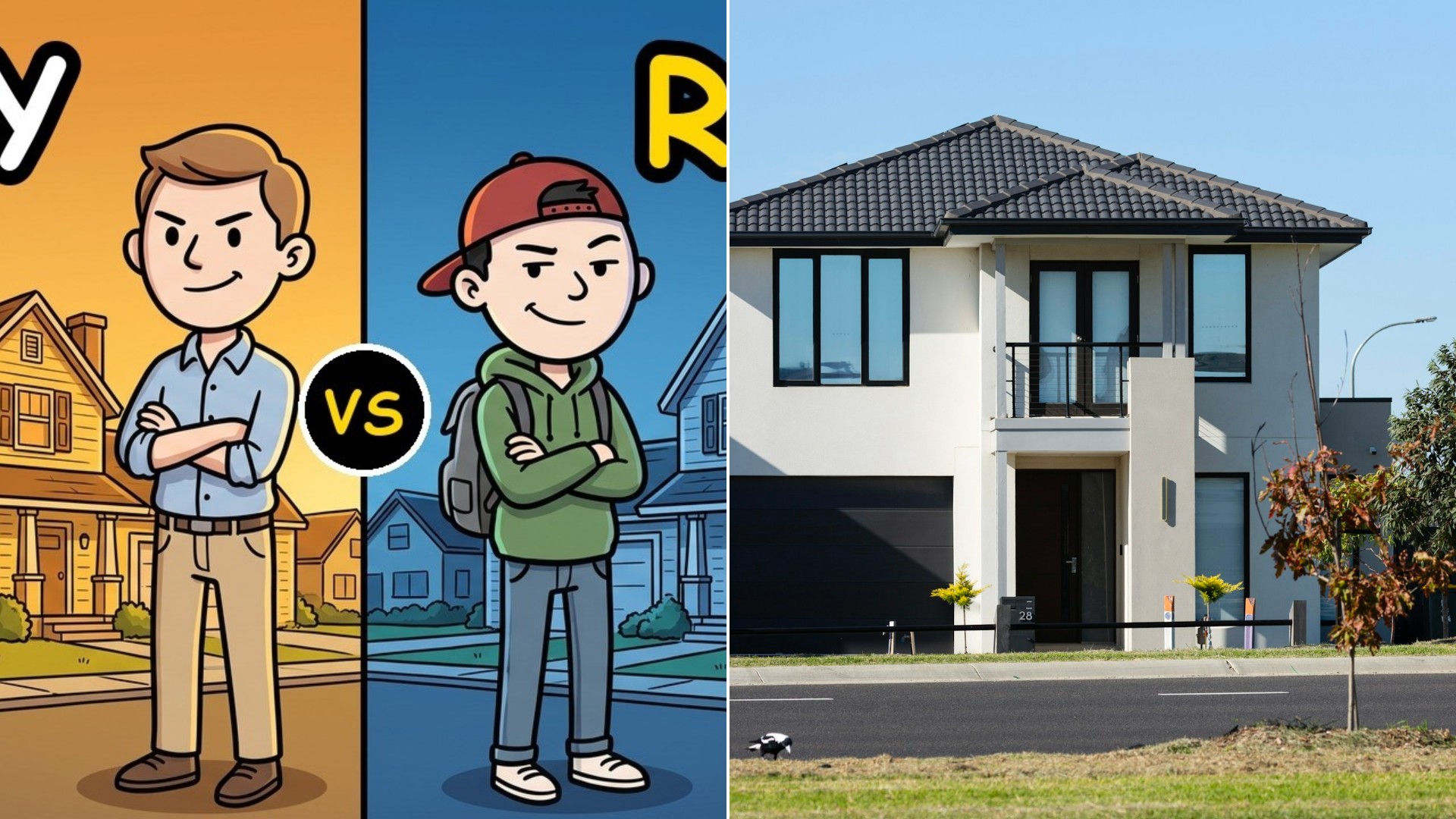
Max and Leo are both 32, live in the same town and a few streets apart, and each earns about $87,000 a year, which the video calls the typical American household income. Both have exactly $100,000 saved. Max buys a house. Leo rents one just like it down the street.
The Typical Homeowner Is Worth About 40 Times More Than The Typical Renter
The video points out that the typical American homeowner is worth about $400,000, while the typical renter is worth about $10,000. That is almost 40 times less.
So is the house what makes owners richer? The answer, it says, is “probably not who you think and not for the reason you think.”
Max Puts $96,000 Into The House And Is Left With “$4,000 And A Very Nice Key”
Max pays 20% down, which is $83,500. Closing costs add about $12,500, so $96,000 of his savings goes into the house on day one.
He borrows $334,000 over 30 years at a rate a bit above 7%. His fixed bank payment is about $2,300 a month. Add property tax, insurance and repairs at about $900, and he pays roughly $3,200 a month, almost half his paycheck before taxes.
Leo Pays $900 Less Each Month, Then Invests The Difference
Leo rents the same kind of house for about $2,300 a month, around a third of his paycheck. That is $900 less than Max.
For a fair test, Leo takes the $96,000 Max put into his house and invests it in a simple fund that owns tiny pieces of hundreds of big companies. Every month he also adds that $900 difference.
In Month One, Only About 8% Of Max’s Payment Builds Something He Owns
Of Max’s bank payment, about $2,040 is interest and only about $260 pays down the loan. Of his $3,200, only about 8% builds up something he owns.
“Wait, so I’m also throwing money away?” Max asks in the video. In the first years, yes, even more than Leo. Leo throws away $2,300 while Max throws away almost $3,000. Over 30 years, the interest adds up to about half a million dollars, more than the house costs today.
After 3 Years, Selling Costs Eat Max’s Gain
The video uses careful growth rates. It uses 7% to 10% a year for stocks and 3% to 4% for homes. After 3 years, Max’s house is worth about $460,000, about $40,000 richer on paper.
But selling would cost about 8% of the price, around $36,000. After fees and paying off the loan, he would walk away with between $96,000 and $118,000, almost what he put in. Leo’s fund is worth about $150,000 at 7% or $164,000 at 10%. Leo is ahead by $40,000 to $70,000.
By Year 10, The Gap Shrinks As Leo’s Rent Climbs To $3,000
Leo’s rent goes up every year and reaches about $3,000 a month. Max’s total costs rise to about $3,500 because of tax and insurance, but his loan payment never changes.
After selling costs, Max would have between about $230,000 and $280,000. Leo’s fund would be between about $310,000 and $400,000. In the closest case, Leo is still ahead by about $40,000.
At Year 20, The Renter Is Still Ahead In The Closest Case
In the slower home-price case, Leo’s rent in year 19 becomes more than everything Max pays for the house. After that, Max has money left over each month.
At year 20, Max’s house is worth between $750,000 and $915,000, which leaves him about $500,000 to $650,000 after costs and the loan. Leo’s fund is worth between about $650,000 and $1.1 million. In the closest case, Leo is ahead by less than $40,000.
“A Mortgage Is Boring. But Boring Can Be A Superpower”
There is a catch. The math assumes Leo invests the difference every month for 20 years, even when his fund drops by a third and the news is scary. Max has no such choice because the bank takes its payment either way.
When Leo spends the monthly difference instead, he ends up with about $370,000 at 7%, while Max has about $500,000. “Renting doesn’t make you richer,” the video says. “Renting and investing the difference can.”
The Risks On Both Sides
Max’s risks include moving early, because selling costs hit hard, and having nearly all his money in one house on one street. When the roof breaks, nobody else pays for it.
Leo’s rent can rise faster than expected, a landlord can sell the house and ask him to leave, and his fund can fall right when he needs the money. Taxes matter too: Leo pays tax on fund gains, while a big part of Max’s home gain is usually tax-free.
A Simple Price-To-Rent Check For Your Own Town
The video suggests dividing a home’s price by a year of rent for a similar home. For Max and Leo, that is about $417,000 divided by 12 months of rent, which comes to 15.
- Below about 15, buying often looks good.
- Above about 20, renting often looks better.
- At a $300,000 price, the ratio drops to about 11, and Max ends up with about twice as much as Leo in the careful case.
- At $600,000, the ratio is about 22, and Leo ends up with about twice as much as Max.
The interest rate matters too. With a 6% mortgage instead of 7%, Max would be ahead by year 20, and at 5% he would be ahead by year 10.
Two Honest Questions Before You Decide
First, will you stay in the same place for many years? If you move after three, selling costs eat most of the gain.
Second, if you rent, will you really invest the difference every month, even in a bad year? The video closes with Max’s dad’s note: “Rent isn’t throwing money away. Neither is buying. Throwing away the difference is.”
More Stories You May Like
- Home Price Growth Has Slowed To 1.5% Nationally But Chicago Is Still Up 6.9% While Seattle Prices Have Fallen 1.9% Over The Past Year
- Landlord Gets the Keys Back After Twenty Seven Years of Renters in the Same House and Walks Through to See Whether the Place Held Up and Calls It a Success Story
- Inspector Walks Into A Cheap Early 1900s House In A Rough Neighborhood And Finds A Split Beam Holding Up The Whole House On Chunks Of Concrete
Leave a Reply