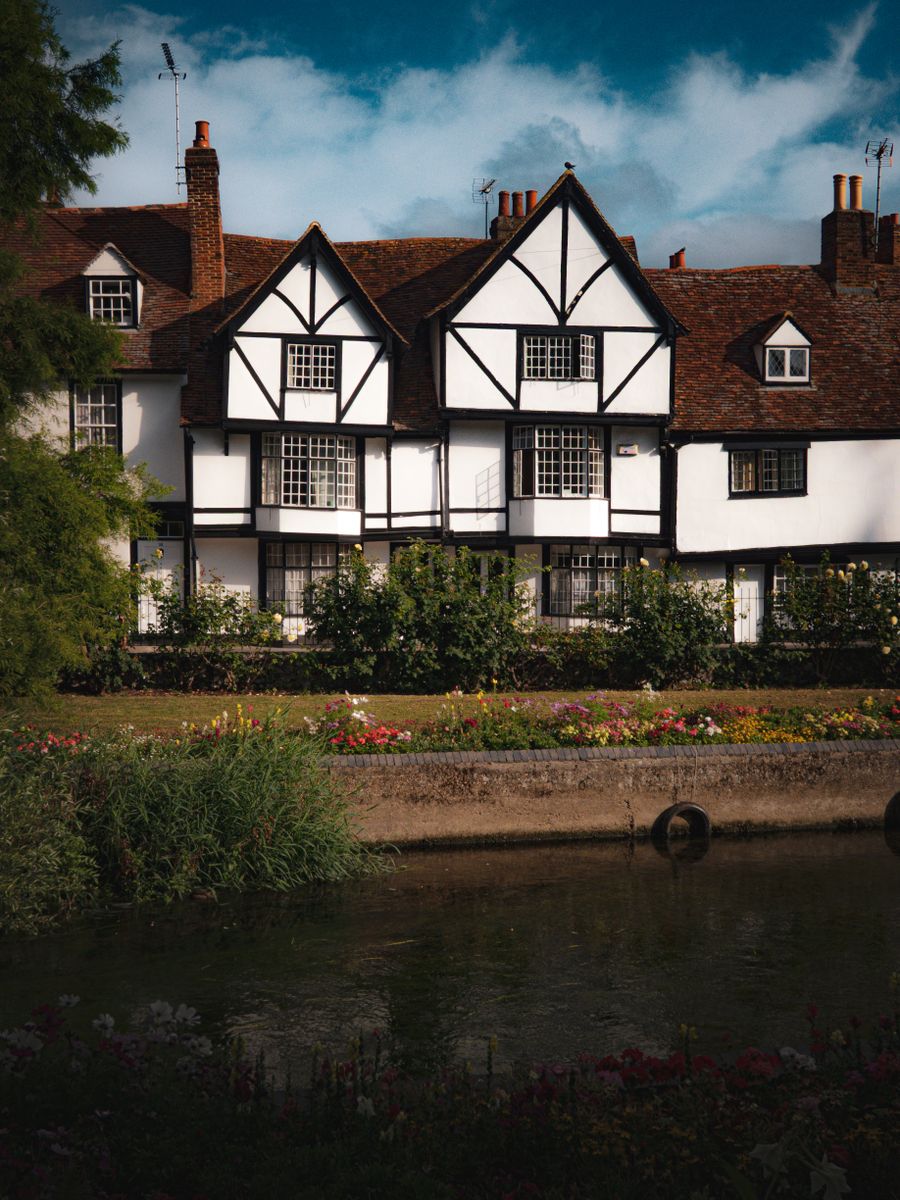
Vrbo has spent the past several years quietly rebuilding the rulebook for its hosts, after a long stretch of traveler complaints about listings that bore little resemblance to their photos, hosts who canceled bookings days before check-in, and no real recourse once a guest was already standing on the doorstep.
New Financial Penalties for Host Cancellations
In a press release from parent company Expedia Group, Vrbo announced it would begin charging hosts financial penalties for canceling confirmed bookings, effective for U.S. properties starting in October 2023. The fee scales with how close to check-in the cancellation happens, with the steepest penalties applied to cancellations inside the final week before a guest’s stay. Hosts can request a waiver in cases of unforeseen property damage or a natural disaster, but absent that, a last-minute cancellation now carries a direct cost.
“Vrbo is dedicated to maintaining a trustworthy marketplace,” said Tim Rosolio, the company’s VP of Partner Success, in the announcement. “Avoidable host cancellations impact everyone’s reputation.”
The company paired the new fees with a broader sweep: hosts who failed to meet baseline marketplace standards were identified and removed from the platform by a September 2023 deadline, on top of existing consequences like reduced search visibility and loss of Premier Host status.

A Guarantee Built Into Every Booking
The protections have kept expanding since that initial announcement. According to reporting on Vrbo’s 2025 reliability strategy, the company rolled the earlier Book with Confidence Guarantee into a new program called VrboCare, which now applies automatically to every booking made through the platform rather than requiring guests to opt in. VrboCare includes rebooking assistance for cancellations up to 90 days before a scheduled check-in, around-the-clock support, and a guarantee notice displayed directly on every property listing page.
Alongside VrboCare, Vrbo introduced a “Loved by Guests” badge for listings that maintain an average rating of 9.4 or higher across cleanliness, accuracy, communication during check-in, and location — the exact categories where the old complaint about photos not matching reality tended to originate. Listings that earn the badge get boosted visibility in search results and can be filtered for specifically by travelers who want an extra layer of assurance before booking.
Premier Host Gets Harder to Keep
The Premier Host program, Vrbo’s top-tier designation for hosts, has grown more demanding with each update. Under the requirements that took effect January 1, 2024, hosts needed an average rating of 4.4 or higher, a cancellation rate at or below 1%, and a booking acceptance rate of 95% or higher, all reviewed quarterly. Guidance on the 2026 Premier Host requirements shows the bar has continued climbing, with listing-level review scores now factoring more heavily into whether a property keeps its badge from one quarter to the next.

What’s Actually Changed for Travelers
Put together, the changes amount to a real shift in how much protection a guest has if a booking goes wrong. A traveler whose host cancels at the last minute now has a formal rebooking pathway rather than a refund and a scramble. A listing padded with flattering, outdated photos has a harder time hiding behind a high overall star rating, since the badge system breaks that rating down into the specific categories — like accuracy — where deception used to hide most easily.
Why the Timing Makes Sense
The push toward reputation scoring and automatic guarantees did not emerge in a vacuum. Vacation rental platforms spent years competing primarily on price and inventory, adding new hosts faster than they built out the trust infrastructure to back them up. As the category matured and travelers grew more comfortable comparing a rental stay directly against a hotel stay, the absence of consistent quality standards became a competitive liability rather than a minor inconvenience.
Every element of Vrbo’s newer system — the automatic guarantee, the split-out rating categories, the quarterly Premier Host reviews — targets a specific failure mode that used to leave guests with little recourse beyond a bad review after the fact. A rebooking guarantee matters only because cancellations were common enough to need one. A badge tied to accuracy scores matters only because enough listings had drifted far enough from their photos that overall star ratings stopped being reliable on their own.
What Hosts Are Being Asked to Absorb
The flip side of stronger guest protections is a tighter set of expectations for hosts, and not every host will find the new math comfortable. A cancellation rate capped at 1% leaves almost no margin for a host juggling multiple properties or an unexpected emergency, and a booking acceptance rate of 95% or higher pressures hosts to say yes to nearly every inquiry rather than screening selectively. For hosts running a single property as side income, meeting the full slate of Premier Host requirements every quarter is a meaningfully higher bar than the platform asked of them just a few years earlier.
That tradeoff is, in effect, the whole point. A marketplace competing credibly against hotel chains on reliability has to push its weakest-performing hosts toward the exits, even if that means fewer listings short term. After years of headlines about rentals that looked nothing like their photos, this steady accumulation of guest protections and stricter host scoring is the company’s most direct attempt yet to answer that specific complaint.
Leave a Reply