In a recent wedding tale that has sparked heated conversation, one guest was taken aback by the reactions of fellow attendees to a couple’s decision to host a cash bar. While many guests expressed outrage, calling the couple “tacky” for not providing free drinks, one observer reflected on a deeper question: when did celebrating love come to be associated with expectations of complimentary alcohol?
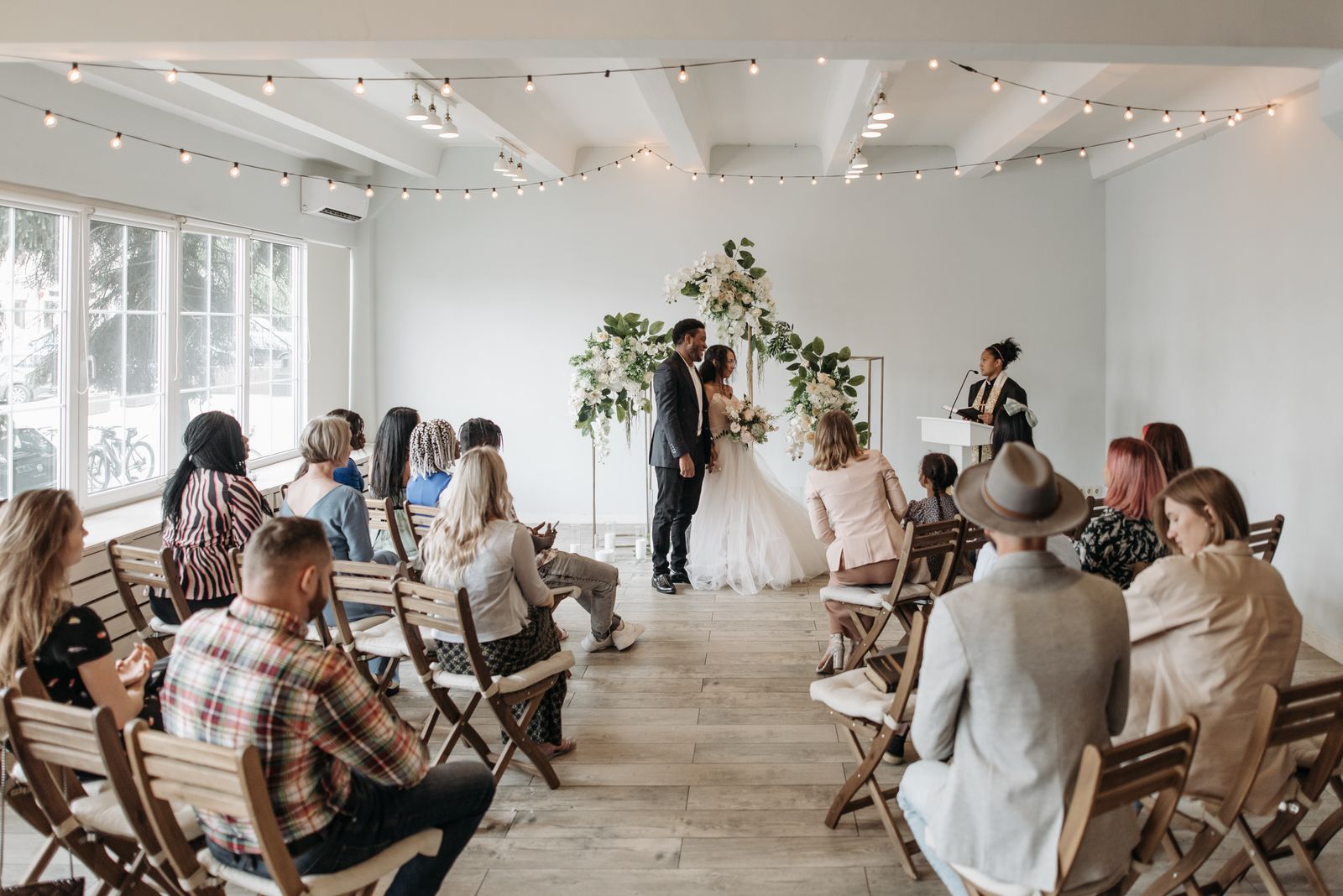
The wedding in question had its share of customary elements, including food and decor, yet it was the absence of an open bar that drew the ire of many guests, who felt entitled to free libations. The couple provided drinks with the meal but required guests to pay for any additional beverages—a decision that led to a chorus of complaints echoing through the venue. Attendees lamented about the costs of their outfits and travel expenses, stating that if the couple didn’t have the finances for open bar service, they shouldn’t have tied the knot at all.
One guest, who identified as Asian, expressed profound confusion over this reaction. “We go to weddings to celebrate the couple and our relationship with them,” they remarked. Their perspective framed the event as a chance to honor the couple, suggesting that worries about drink costs should not overshadow the joy of the occasion. “If I’m there, it’s because they matter to me,” the guest observed, emphasizing a mindset that prioritizes connection over expectations.
For this attendee, the idea of a cash bar was not only acceptable but expected. “I want to be there for them. If I didn’t want to spend that money, I would’ve stayed home,” they shared, further illustrating their disinterest in demanding anything beyond what the couple had already graciously provided. “I didn’t expect anything from the couple except meals, which is totally fine,” they stated, highlighting a clear contrast between their values and those of the disgruntled guests around them.
As the event unfolded, it became clear that the absence of an open bar had catalyzed more than just disappointment; it had unearthed a sense of entitlement among some wedding attendees. Their complaints, punctuated by exclamations about the couple’s financial decisions, painted a picture of a group more focused on personal grievances than the celebration of love. It raised unsettling questions about social norms at weddings: had the expectation shifted from a simple celebration to an obligation for party indulgence?
Among the crowd, the poster witnessed firsthand how some guests felt justified in their outrage. The notion that a couple should shoulder the cost of adult beverages for their guests echoed through the conversations, leaving the poster flabbergasted. The sense of entitlement seemed to overshadow the purpose of the gathering entirely—a stark departure from the poster’s cultural understanding of weddings as a time for support and joy.
In the aftermath, responses to this scenario varied. Many readers focused on the financial aspects, drawing lines between wedding costs and guest expectations. Others, however, were baffled by the audacity of attendees demanding free drinks, questioning when celebrating love transformed into a demand for free alcohol. While the poster’s sentiments resonated with some, others took umbrage with the couple’s choice, suggesting that a cash bar at a wedding was akin to inviting guests without any real hospitality.
Ultimately, this wedding episode left a lingering question in its wake: has the spirit of celebration shifted to one of entitlement? As couples navigate the intricacies of wedding planning and finances, the tale serves as a stark reminder of the complexities that often emerge when personal relationships intersect with social expectations.
More from Willow and Hearth:
Leave a Reply