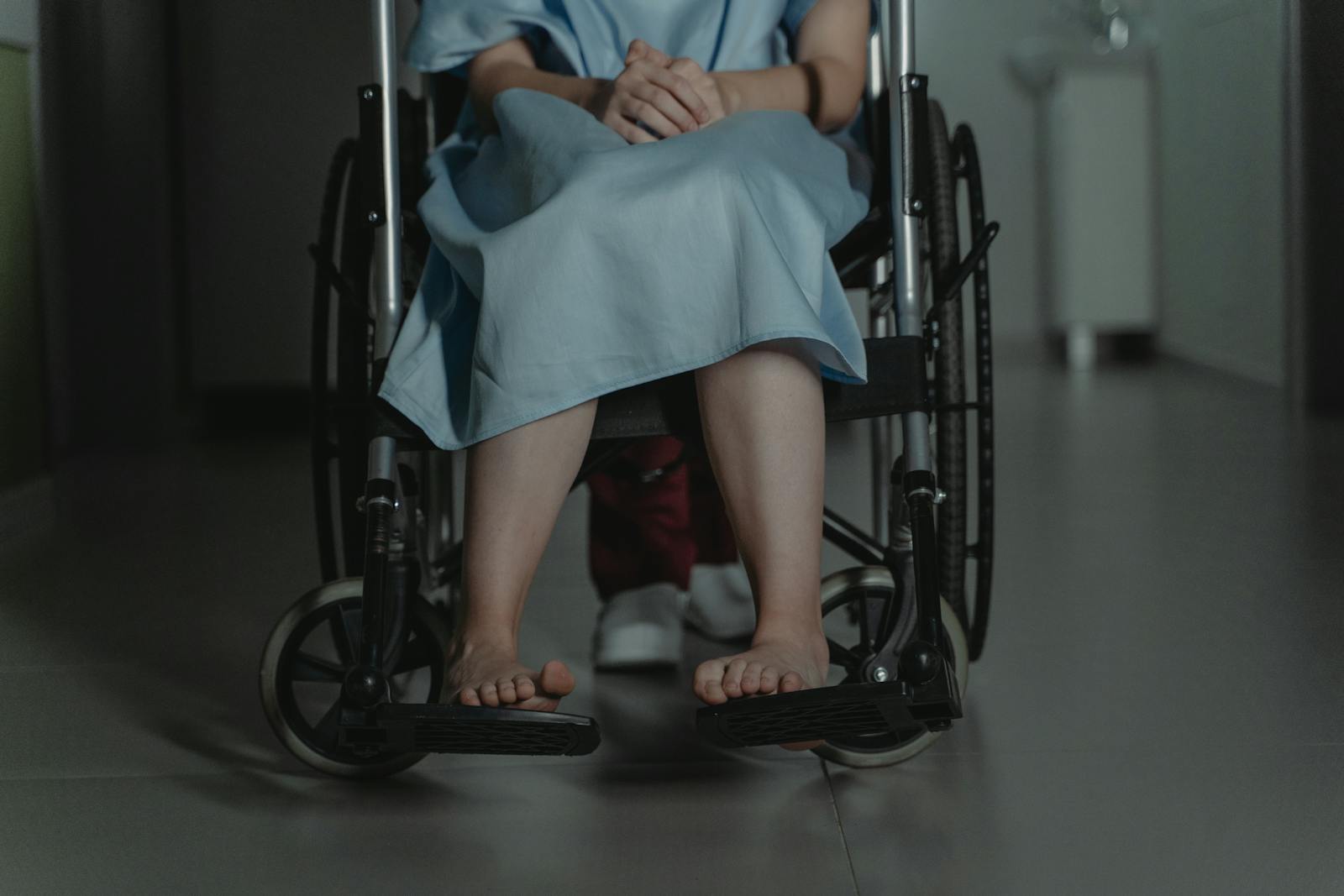
In a heartbreaking turn of events, a wife from Fairfax County, Virginia, is facing an uphill battle to ensure her husband can return home from the hospital following a serious medical condition. The couple, who have been renting a three-level townhouse, now find themselves at odds with their landlord, who has refused to grant a request for the installation of stairlifts to accommodate her husband’s new mobility challenges.

The wife explained her situation in an online post, detailing her husband’s hospitalization and the need for stairlifts to facilitate his return home. Having been in the hospital herself just weeks earlier, she already faces a mountain of personal and financial stress. With her husband unable to navigate stairs, the installation of stairlifts became a critical requirement for their living situation. Despite offering to cover the installation costs, which were estimated at around $14,000, the landlord was unswayed in his refusal.
The landlord’s reasoning was centered on the cost of the installation and the limited duration of their lease, which runs until June 2027. According to him, modifying the property in such a way was not feasible, and he suggested they begin looking for alternative housing instead. This response has left the wife feeling trapped and overwhelmed, especially given the immediate financial burdens she faces, compounded by recent personal losses.
Among her challenges, the wife is dealing with Graves disease, a condition that has already required her hospitalization. Coupled with the recent death of her close aunt and the financial strain of covering funeral costs, the prospect of moving is daunting. The couple has paid over $100,000 in rent over the years, and she questions the landlord’s refusal to accommodate a necessary change to their home environment.
In response to the landlord’s rejection, she reached out to Acorn Stairlifts for an assessment, hoping to validate the installation costs and potentially negotiate with the landlord once more. Her determination highlights the broader issue of tenant rights and the obligations of landlords to accommodate individuals with disabilities, as outlined in the Fair Housing Act.
The couple’s story serves as a stark reminder of the complexities surrounding rental agreements and the need for reasonable accommodations. Tenants who face sudden changes in their health circumstances can find themselves in precarious situations, often with little support. In this case, the wife’s proactive stance demonstrates an effort to comply with legal requirements while navigating a challenging personal landscape.
Beyond her own struggles, the wife’s situation reflects the experiences of many who are left to grapple with housing security and accessibility issues. The Affordable Housing Act mandates that landlords make reasonable accommodations for tenants with disabilities, but interpretations of what constitutes “reasonable” can vary widely. This discrepancy can lead to tension between landlords and tenants, particularly in cases where modifications are needed to maintain the current living arrangement.
For those in similar situations, understanding their rights and the legal framework surrounding accommodations for disabilities can be crucial. In many cases, open communication between tenants and landlords can lead to satisfactory outcomes, but it requires a willingness from both parties to negotiate in good faith. The wife in Fairfax County is now left hoping that her landlord will reconsider his stance, as the cost of moving and the emotional toll it would take is simply too high.
As her husband’s discharge from the hospital approaches, the pressure is mounting for a resolution. The couple’s fight for a humane living arrangement in their own home has opened up a dialogue about the importance of support systems for those facing health crises. While navigating the complexities of rental housing can be daunting, many believe that reasonable accommodations should be a fundamental part of the conversation.
More from Willow and Hearth:
Leave a Reply