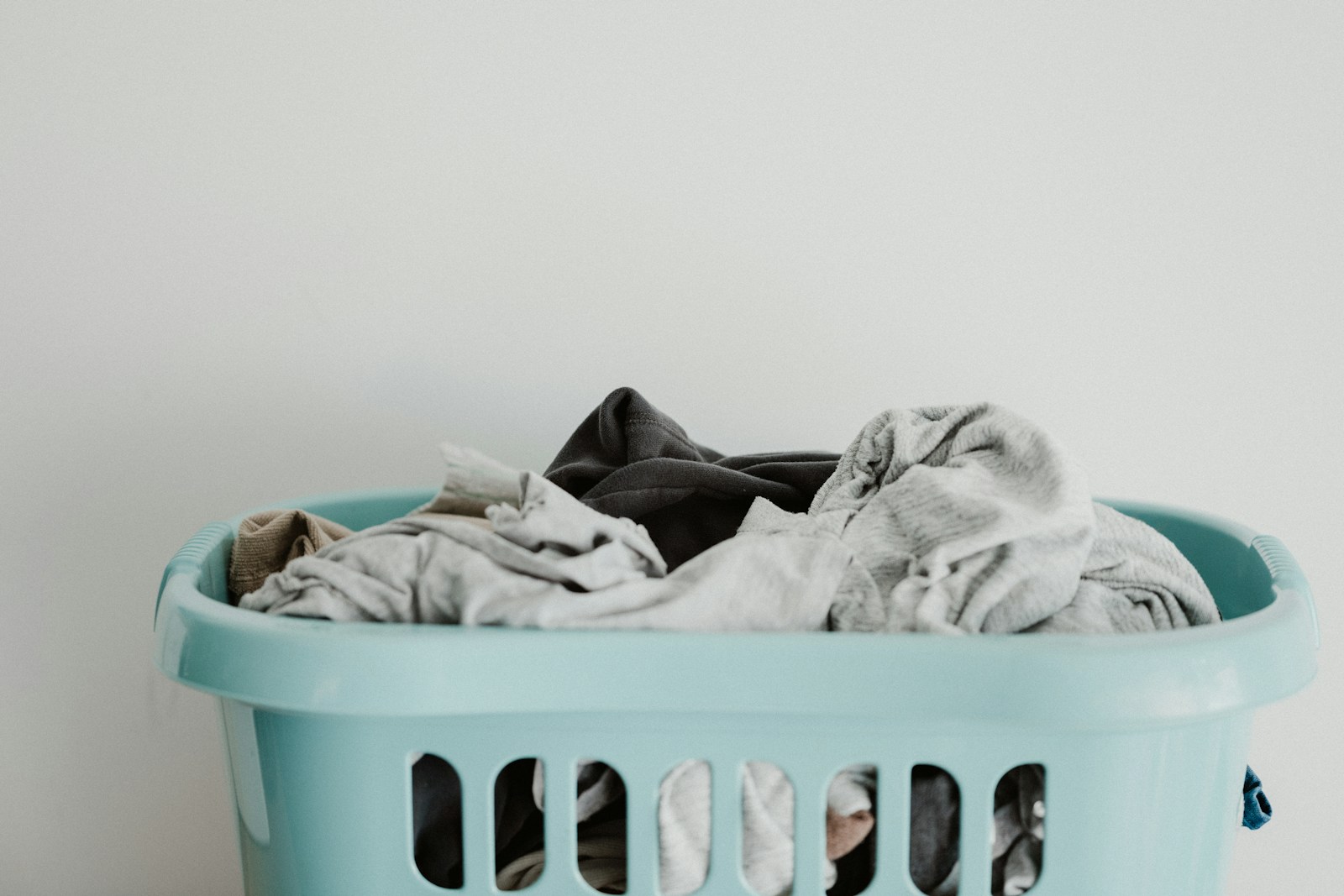
When a homeowner grows weary of picking up after her husband, the result is an unexpected twist: his entire clean wardrobe gets shoved into the dryer, blocking laundry for everyone else. This quirky domestic dilemma has left her contemplating a solution that hearkens back to childhood discipline—a move that could either restore order or escalate chaos.

About two months ago, the tenant decided she had had enough of her husband’s habit of leaving work clothes strewn across their bedroom floor. Each day after work, he would return home, change into comfy attire, and neglect to put his clothes in the hamper. Resigned to a messy room, she hoped that by stopping the clean-up, he would finally take responsibility. Instead, he began to do laundry only once a week, tossing all freshly cleaned clothes into the dryer, leading to a new issue: wrinkled outfits retrieved day after day, all while blocking the family’s other laundry.
The original intention was simple enough: encourage the husband to be more proactive about his clothing. However, with the dryer full of his garments, it created a logistical nightmare for the homeowner, who found it increasingly difficult to do laundry for herself and their family. The clutter remained, and as the days turned into weeks, her frustration boiled over.
In a moment of exasperation, she shared her plight with her mother, who suggested a tactic reminiscent of their own family discipline. As children, her mother would gather stray belongings and bag them up, requiring chores to reclaim the confiscated items. Though the tenant dismissed the idea of imposing chores on her husband to earn back his clothes, she couldn’t help but contemplate hiding his garments away in his closet to prevent the chaos from spilling over into their shared spaces.
This generated an internal debate within the homeowner. On one hand, the idea seemed humorous—a playful way to address the clutter that he had ignored for far too long. On the other hand, she wrestled with the social ramifications of such an action. She posed the question to a wider audience, mulling whether she would truly be in the wrong for stashing his clothes out of sight and out of mind.
Responses to her predicament revealed a fascinating mix of support and skepticism. Many readers empathized with the tenant’s desire for a tidier home, while others challenged the effectiveness of hiding clothes as a strategy. Some pointed out that this approach could backfire, potentially leading to resentment or conflict in their relationship.
Others drew parallels between their own experiences with household chores, noting that communication about expectations could help avoid misunderstandings altogether. A significant number urged her to address the situation directly with her husband, suggesting that an open dialogue about responsibilities might achieve a better outcome than a sneaky maneuver. A few even offered light-hearted suggestions, like creating a designated “clutter zone” for his clothes, while others empathized with the struggles of finding a balance within shared domestic spaces.
As the tenant weighed her options, one truth remained obvious: the clash over household responsibilities sparked more than just a disagreement over laundry. It highlighted the complexities of sharing a living space, revealing how small habits can snowball into larger conflicts. The unresolved tension left by her husband’s habit of leaving clothes around their home hung in the air, a reminder of the challenges that accompany shared life.
More from Willow and Hearth:
Leave a Reply