
In a heart-wrenching turn of events, a recent dog adoption has sparked significant emotional tension between a new owner and the pet’s former guardian. The owner, who had eagerly adopted a one-year-old Husky just two weeks prior, is now facing a dilemma after the previous owner unexpectedly changed their mind and demanded the dog back.
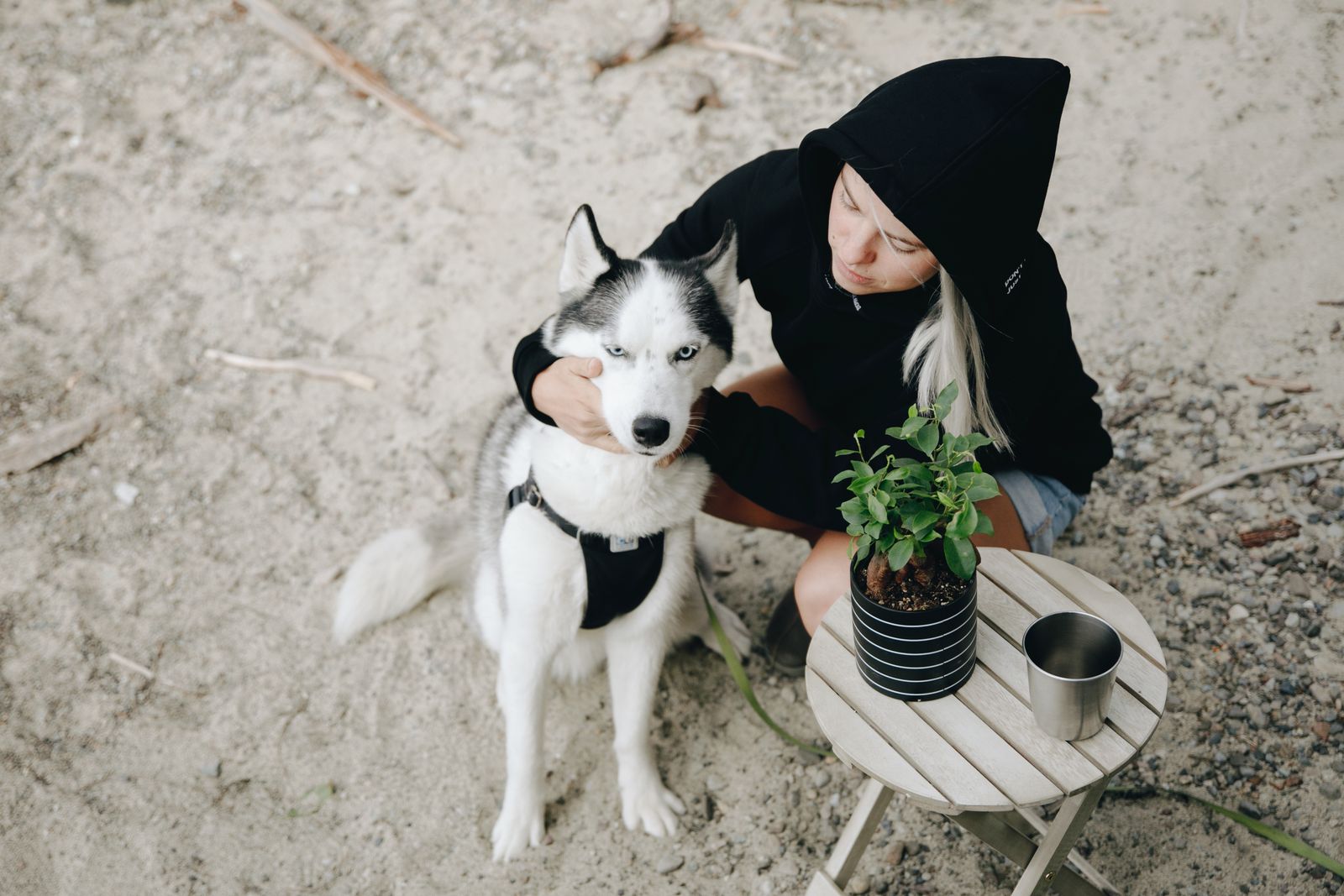
The story began when the poster, an experienced dog owner, took in the Husky after its original owner expressed being overwhelmed by the dog’s behavior and a lack of space at home. The transition seemed to go smoothly; the adopted Husky integrated well into his new surroundings and formed a quick bond with the poster’s existing dog. Not only did the new pet adapt to the doggie door without any issues, but the poster, who works from home, was able to dedicate time to address the behavior problems highlighted by the previous owner, effectively solving each one.
“They seemed so overwhelmed they needed me to pick him up ASAP,” the poster recalled, feeling secure in their capability to train and care for a Husky. With a safely fenced yard equipped with a concrete moat to minimize the risk of escapes—an important consideration given the breed’s propensity for wandering—the poster appeared confident that they had made the right choice.
However, this newfound harmony was shaken when just two weeks later, the former owner reached out with an unexpected request. They wanted the dog back, creating an emotional tug-of-war. The poster found themselves questioning the motivations behind this sudden change of heart. After all, the previous owner had expressed their frustrations and apparent inability to manage the dog’s needs, raising concerns about what could have possibly altered their situation.
The request to return the dog has left many wondering about the nature of pet ownership and the bonds that form between humans and their furry companions. As the poster pondered the ethics of returning the dog—who had settled so comfortably into their home—they decided to seek input from others, reflecting a common yearning to weigh the emotional stakes of such decisions.
Reader reactions to this unfolding drama have largely focused on the complexities of ownership and responsibility. Many sympathized with the poster, asserting that the dog’s well-being in his new environment should take precedence over the former owner’s sudden regrets. “How could they want him back now after saying they couldn’t handle him?” one commenter mused, highlighting the poster’s nurturing environment as a critical factor in the dog’s happiness. Others underscored the fleeting nature of the former owner’s commitment, questioning their initial decision to give up the pet in the first place.
Some readers expressed concern for the adopted Husky, noting the emotional toll it would take on him to move again. As one commenter pointed out, “Dogs thrive on stability. You’ve given him that—why would you want to uproot him now?” This highlighted a sentiment that resonated with many, emphasizing the importance of a stable home, especially for a dog that was once considered unwanted.
The poster faced a profound moral quandary, caught between the emotional attachment that had developed in such a short time and the request of the previous owner, who seemed to have reconsidered their initial decision. This conflict resonates deeply within the community of pet lovers, many of whom recognize that the bond between a dog and its owner can quickly become significant and irreplaceable, even within a mere two weeks.
Despite the urgency of the former owner’s demand, the poster remained steadfast in questioning the fairness of the request. “How could their situation have changed so dramatically?” they wondered, reiterating their commitment to the dog’s happiness and well-being. The story encapsulates a struggle that many pet owners face: the challenge of balancing empathy for the previous owner with loyalty to the new family member.
More from Willow and Hearth:
Leave a Reply