
When a woman decided to bring her own Tupperware to a burger joint, she likely didn’t expect the commotion it would create. But for one poster, the small act of practicality turned into an unexpected source of embarrassment and conflict, highlighting how differently people view what’s considered “normal” in social dining settings.
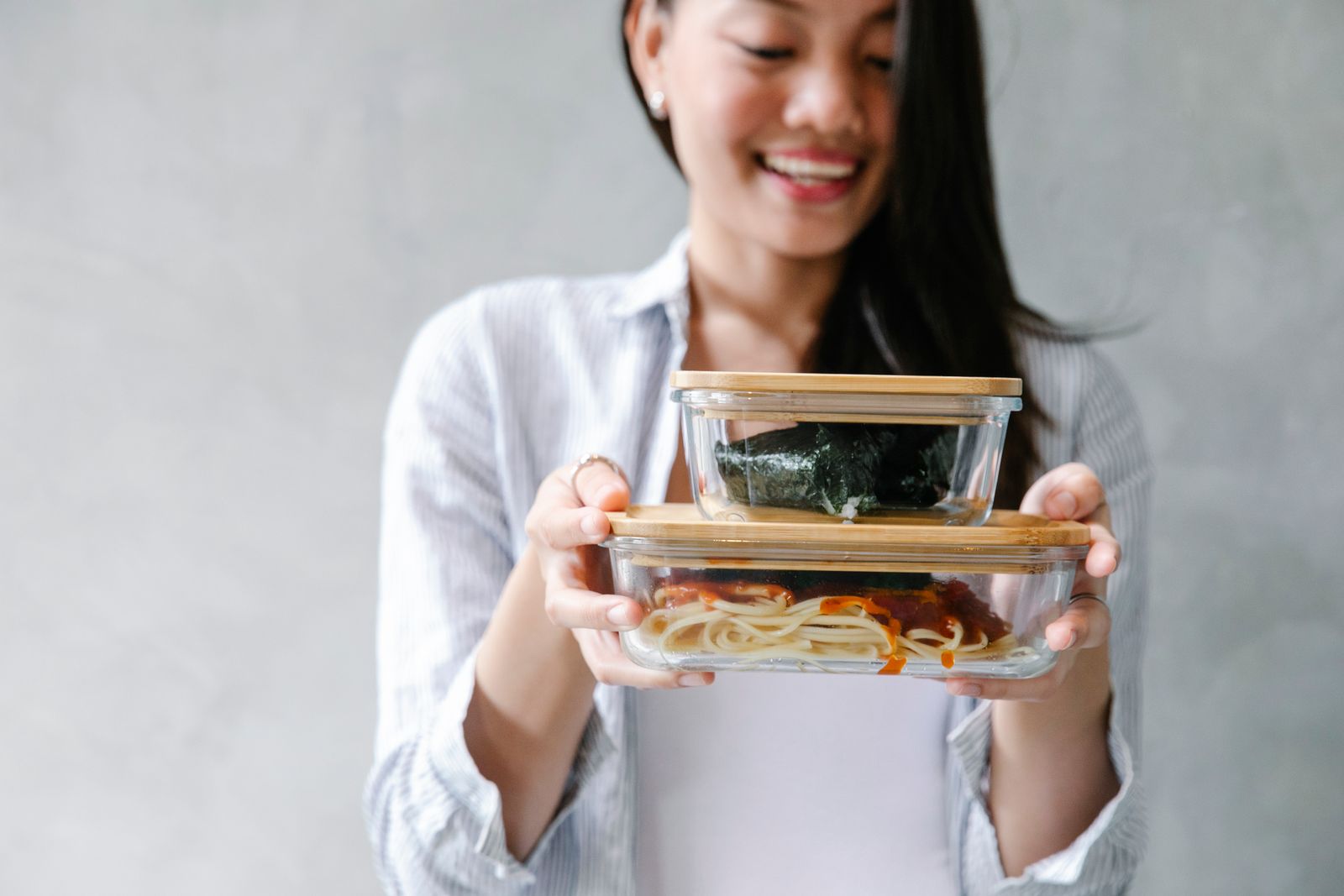
In June 2026, the poster, known as u/GlitteringRainbowCat, enjoyed a meal with a friend at a restaurant famous for its oversized burgers. Aware of her tendency to leave with leftovers, she brought along a Tupperware container—a decision she felt would not only save money but also help reduce food waste. After finishing a hearty meal, she began packing away what was left, believing she was being resourceful.
However, as soon as the container came out, her friend’s demeanor shifted. While the poster felt clever about her choice, her friend found the moment embarrassing, claiming that others were staring and that it simply wasn’t proper restaurant etiquette. The awkwardness escalated after they left, with the friend’s irritation persisting, even after the poster defended her actions. “It’s not like I took the box to an all you can eat buffet and stuffed it full,” she explained to her upset companion.
Despite the poster’s rational explanations, including the desire to avoid overeating and the history of doggy bags leaking in her bag, the fallout from the incident lingered. Just days later, she repeated her Tupperware tactic with another friend, who instead reacted positively, saying, “Woah, that’s neat!” Even then, the poster was left questioning her judgment—wondering if she should have communicated her plan better or simply adhered to traditional dining customs.
In the aftermath, comments from fellow online users varied widely. Some sided with the poster, applauding her for being practical and environmentally conscious. “As a chef and restaurant owner, I applaud this sort of thinking,” one commenter said, emphasizing the benefits of bringing reusable containers to reduce waste. Others, however, suggested that pulling out Tupperware in a sit-down restaurant might come off as socially awkward, drawing attention in a way that could detract from the dining experience.
As the conversation continued online, the poster shared more about herself, revealing that she had struggled with disordered eating and was pleased to find a way to manage her portions. This personal context prompted several readers to reflect on their own experiences and feelings, with one commenter noting, “Your friend has her own insecurities that have nothing to do with you.”
Eventually, after much discussion and consideration, the poster reached out to her friend to clear the air. They met for a walk, where the friend disclosed that her reaction stemmed from a traumatic experience with a family member who often overstepped boundaries at meals by packing up leftovers before everyone had a chance to enjoy their food. The poster was flabbergasted but relieved to discover that the miscommunication had more to do with the friend’s past than with any judgment of her behavior. They both apologized and expressed a desire to avoid future misunderstandings.
This unusual dining episode not only revealed the complexities of social norms but also showcased the importance of open dialogue in friendships. While the poster initially faced judgment for her unconventional approach, ultimately, the shared experience led to a deeper understanding between her and her friend. In a world where everyone has their own version of “normal,” perhaps it’s these differences that make our dining experiences—and our friendships—all the more enriching.
More from Willow and Hearth:
Leave a Reply