
In a world where family dynamics can be intricate and sometimes toxic, one woman found herself grappling with the aftermath of a tragic family loss. After the death of her brother, she faced not only the pain of his absence but also the unanticipated cruelty from her mother, who seemed intent on using the situation to leverage power within their relationship. The story has sparked a debate about familial loyalty, grief, and the complexities of personal boundaries.
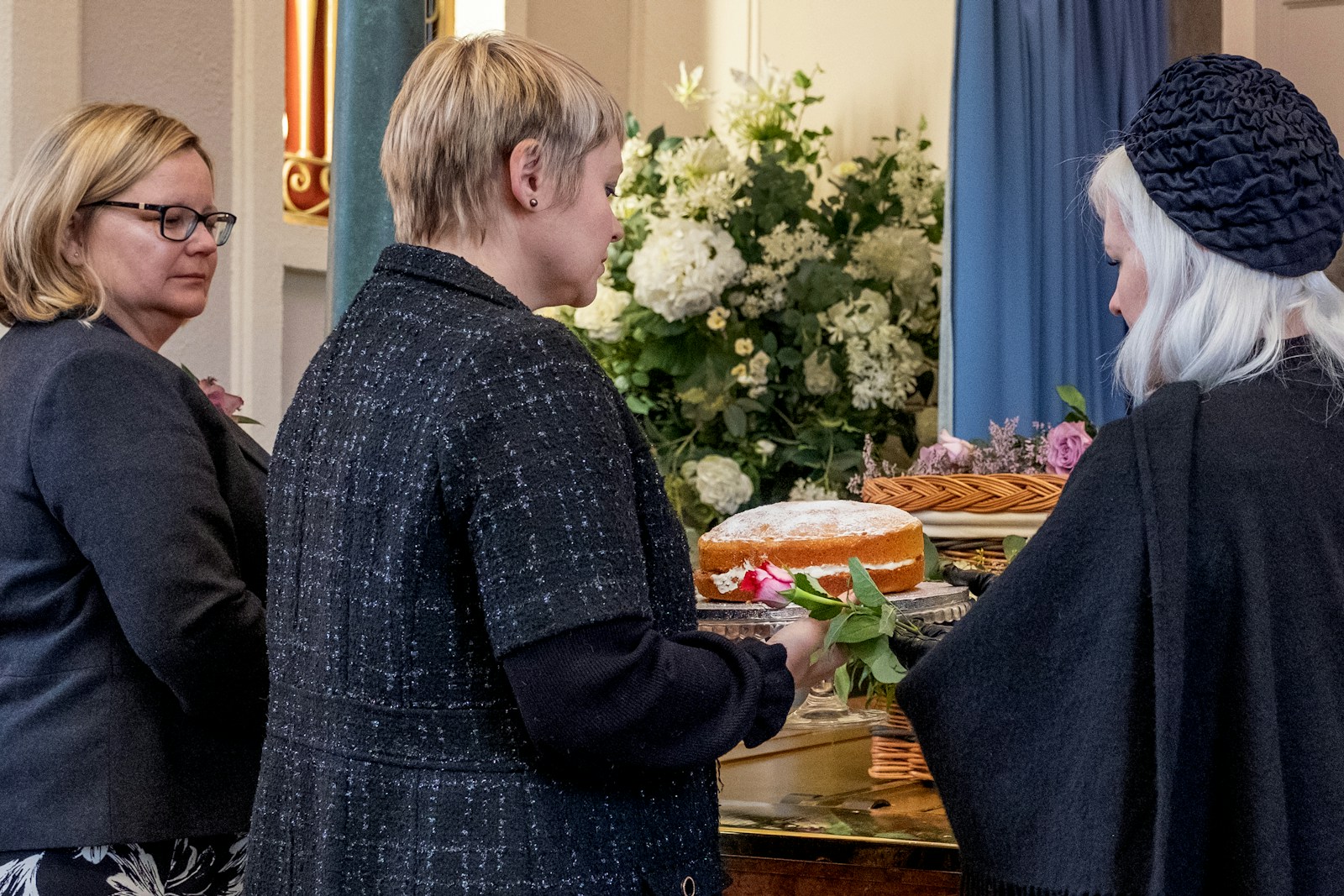
The woman, who has chosen to remain anonymous, shared her experience on a popular online forum, revealing the heart-wrenching moments that led her to cut ties with her mother. The narrative unfolded after the untimely passing of her brother, a loss that left her family reeling. Instead of a space for shared mourning and support, the woman described her mother’s reaction as dismissive and belittling. She felt that rather than comforting her, her mother turned the tragedy into a battleground for control, leading to feelings of immense guilt for wanting to distance herself.
In her post, she narrated how her mother often mocked her grief, insisting that she was overreacting to her brother’s death. “I felt like I was being punished for my feelings,” she wrote, describing her mother’s tendency to minimize her suffering. This left her feeling not only unsupported but also alienated in her own home. The woman elaborated that her mother had a knack for turning familial love into a performance of dominance, particularly during vulnerable moments, making the pain of loss even harder to bear.
As she recounted her experiences, users on the forum resonated with her story, sharing their own encounters with family members who enforced toxic behaviors during difficult times. A significant number of responders echoed the sentiment that grief should be a collective experience, one that fosters understanding and kindness rather than conflict. They applauded the woman for recognizing the need to protect her mental health and consider what was best for her emotional well-being, despite the guilt that came with it.
The pivotal moment came when her mother accused her of trying to draw attention away from other family members’ grief. This accusation struck a nerve and made the woman question her motives as well as her mother’s. “I just wanted someone to understand that losing my brother felt like losing part of myself,” she explained. As the tension escalated, the atmosphere became more charged, leaving her to ponder the health of their relationship moving forward. The distinction between seeking support and feeling manipulated became critical as she made the painful decision to step away.
Responses in the thread ranged from supportive affirmations of her choice to gentle nudges regarding the complexities of family ties. Many users encouraged her to prioritize her mental health and suggested that sometimes, taking a step back can lead to personal clarity and healing. “Your grief is valid, and it’s okay to seek peace away from negativity,” remarked one commenter, underscoring the importance of self-care in the midst of family struggles.
Amidst the outpouring of support, the woman expressed her lingering guilt. She shared her fear that her decision to cut contact could be perceived as a betrayal, especially during a time when her mother might also be grieving their shared loss. “I feel like I should be more forgiving, more understanding,” she confessed. This sentiment resonated with many who understood the intricacies of familial love and loyalty, particularly during pivotal life events like death.
As discussions continued to unfold, users explored the themes of grief, expectations within family dynamics, and the right to set boundaries. Some pointed out that family relationships can often become fraught with unspoken tensions that exacerbate emotional pain instead of alleviating it. The woman’s story encouraged others to share their views on how to navigate these challenging landscapes, prompting a dialogue around what healthy boundaries look like, especially when navigating the complex terrain of loss.
Ultimately, the woman’s experience highlights the delicate balance between familial obligation and personal well-being. While the journey of healing from loss can be overwhelming, it also emphasizes the importance of finding a supportive environment, whether that be through friends, community, or understanding partners. In an age where mental health is increasingly recognized, this story resonates as a reminder of the different paths one might take when faced with family challenges.
More from Willow and Hearth:
Leave a Reply