
In a curious twist of friendship dynamics, a young man named A found himself navigating an increasingly awkward relationship with a church youth leader after his 18th birthday celebration. The incident has left him perplexed as the leader, a 27-year-old woman, repeatedly brings up her wish to have attended his party, transforming a casual acquaintance into an unsettling situation.
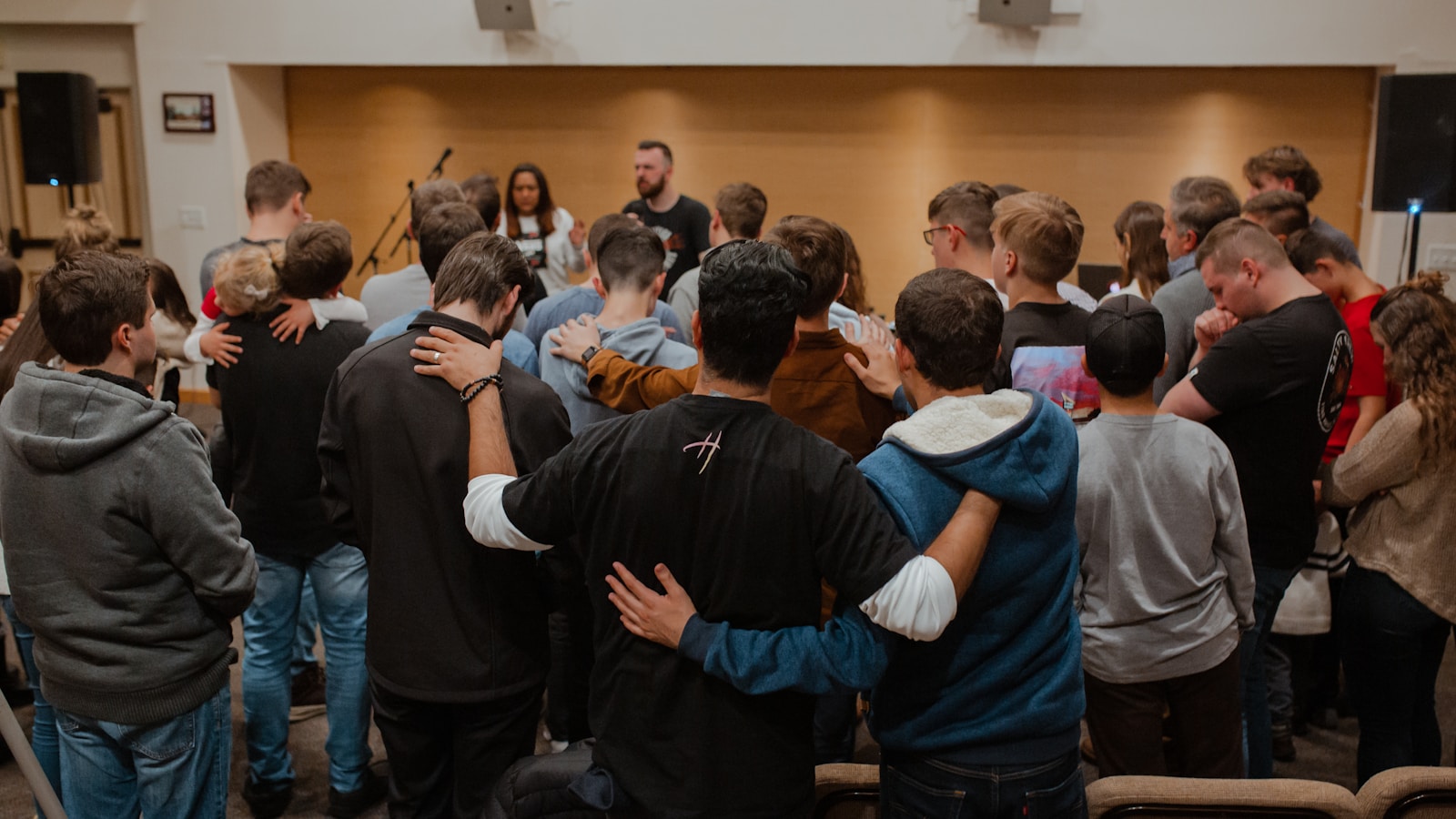
A and the youth leader, referred to as A in this article, first crossed paths two years ago in a youth group for ages 15 to 18. Initially, their interactions were harmless and commonplace, typical of any mentor-mentee relationship in a community setting. However, when A turned 18 and transitioned into the adult group, which included about ten members—many of whom were older siblings of friends—their relationship began to take on a new dimension.
On the day of his birthday, A opted for a low-key gathering, specifically inviting school friends and excluding anyone from the church group. He described the celebration as “just getting wasted” with his peers, a stark contrast to the wholesome community activities he was accustomed to. Yet, when he spoke to his social circle later, everyone else was exchanging light-hearted banter, while the youth leader expressed a surprising amount of interest, stating she wished she could have been there. A dismissed her comments at first, but her persistent half-joking remarks about wanting to be ‘security’ at his party caught him off guard.
What initially seemed like harmless enthusiasm turned unsettling when A noticed the leader’s frequent references brought a level of intensity that felt out of place. Over the next couple of months, her mentions became more frequent, leading A to feel increasingly uncomfortable. “I found it a touch weird,” he admitted while reflecting on her behavior, noting a palpable shift in their interactions during group gatherings. In recent meetings, her sarcasm and passive-aggressiveness towards him contrasted sharply with her friendliness towards others, leaving A questioning the underlying intentions.
Concerned about the nature of this dynamic, A confided in his sister, who echoed his unease. “It’s weird,” she remarked, emphasizing that her behavior could signal something deeper, possibly an unaddressed interest or attachment. A’s discomfort escalated as the youth leader’s interactions with him seemed to deviate from the norms established in their previous acquaintance.
As the story circulated among readers, many gravitated towards the underlying tensions. While some expressed sympathy for A, others pointed out the age gap and the potential for misinterpretations in friendships across different maturity levels. A noticeable thread among commenters was the acknowledgment of the complexities that arise when social circles overlap with personal relationships, especially in community spaces like those fostered by church groups.
Some readers speculated about the youth leader’s motivations, suggesting that her repeated mentions of the birthday party could symbolize a longing for acceptance within A’s peer group. Others wondered if she felt a sense of missed opportunity or even regret for not being included in this milestone event. “Her behavior seems a bit possessive,” one commenter opined, highlighting the potential complications that can ensue when personal feelings override professional boundaries.
Despite the online discourse providing various perspectives, A remains at a crossroads, uncertain about how to navigate this friendship gone awkward. The situation illustrates the delicate balance between camaraderie and emotional complexity, especially when intertwined with roles like leadership and mentorship. What once was a casual friendship has morphed into something that A cannot easily define or categorize, leaving him feeling more perplexed than ever.
More from Willow and Hearth:
Leave a Reply