A house doesn’t usually become dated all at once. It happens gradually, one trend fading a little at a time, until one day you walk in and the whole place suddenly reads as “a few years behind” even though nothing has technically changed. Sometimes it’s a single detail dragging the rest of an otherwise updated room down with it.
The tricky part is that most of these choices felt completely current when they were made. That’s exactly what makes them worth watching for, because the things that feel freshest right now are often the same things that will feel the most dated the fastest. Here’s what tends to age a house before its time.
Heavy, Dark Wood Trim and Cabinetry
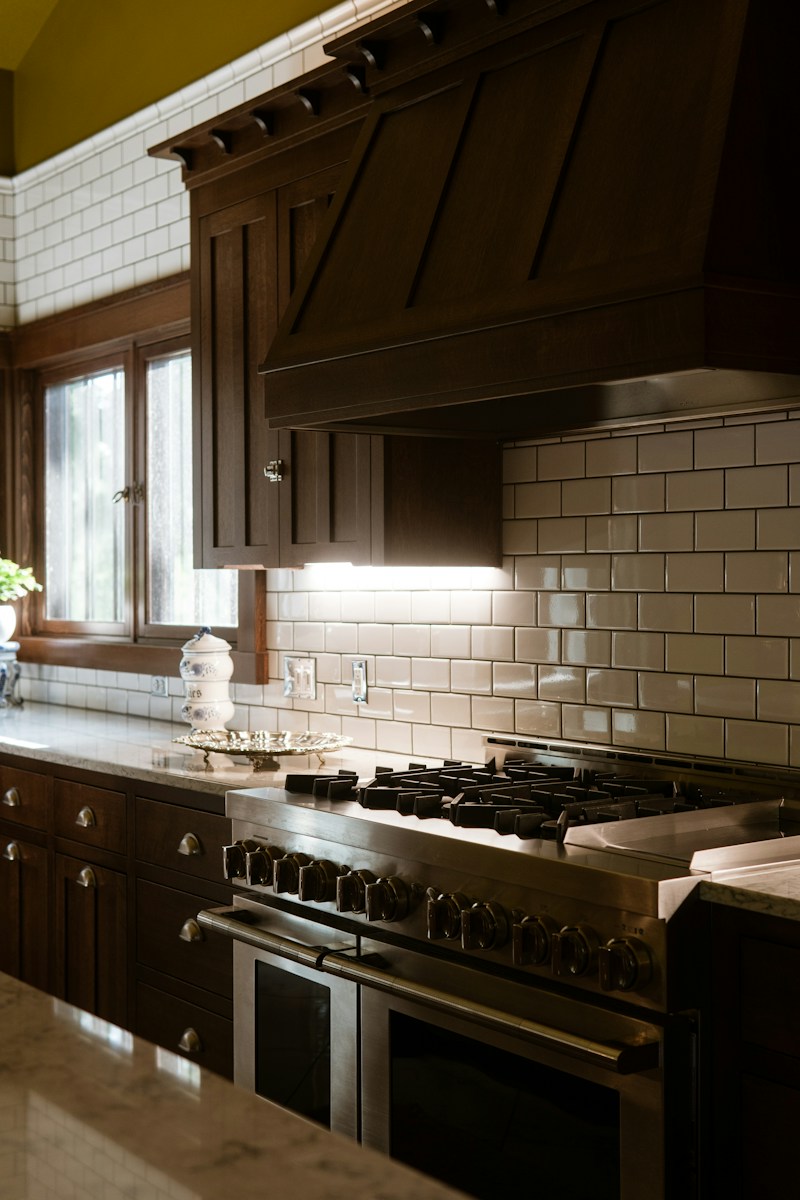
Rich, dark-stained wood trim, cabinets, and built-ins were a defining look for years, but paired with today’s lighter, brighter interior trends, that same wood can suddenly read as heavy and closed-in rather than warm and traditional. It’s not that dark wood is inherently dated, it’s that a huge, uninterrupted expanse of it, ceiling-height cabinets, matching trim throughout an entire floor, tends to visually shrink a room and anchor it to a specific decade. Lightening even just the wall color around dark wood elements can keep them feeling intentional rather than like a leftover from a previous era.
Recessed Can Lights as the Only Light Source
A ceiling full of evenly spaced recessed lights was the default lighting plan for a long time, but relying on them exclusively tends to flatten a room and skip the layered lighting, table lamps, sconces, pendant fixtures, that makes a space feel current and intentionally designed. Rooms lit entirely from directly overhead often look more like an office or a showroom than a home. Adding even a couple of lamps or a statement fixture at a different height instantly signals a more updated approach to a room, without needing to touch the existing electrical at all.
Oversized, Ornate Furniture Sets
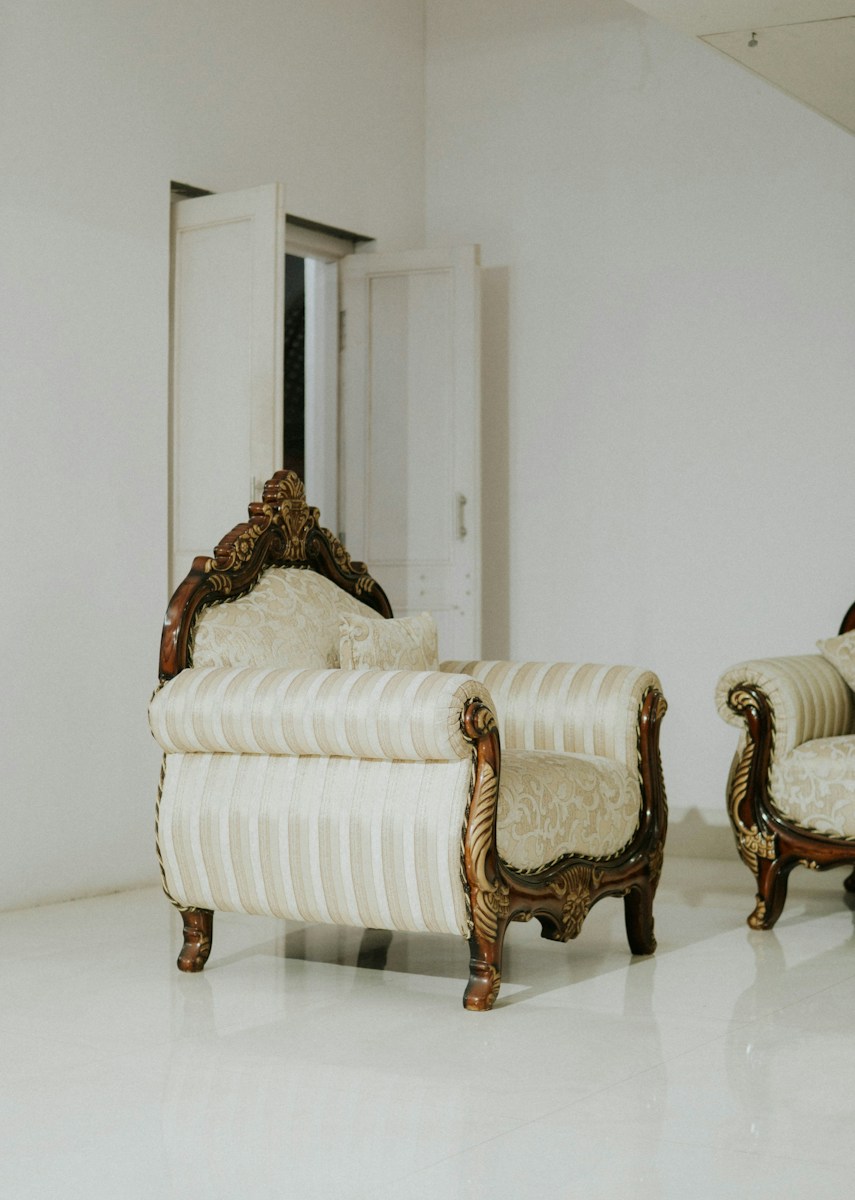
Matching furniture sets, especially bulky ones with heavy ornamentation, tend to visually date a room faster than almost anything else in it, because furniture styles shift more quickly than architecture does. A living room built entirely around one oversized, heavily carved set reads as frozen in the moment it was purchased, rather than as a space that’s evolved over time. Mixing pieces from different eras and styles, rather than buying an entire room in one matching set, tends to age much more gracefully.
Wall-to-Wall Carpet in Every Room
Carpet covering an entire home, including kitchens, bathrooms, and entryways, has fallen out of favor for both style and practical reasons, and homes that still have it in those spaces tend to read as needing an update even when everything else is current. Hard flooring in high-traffic and moisture-prone areas has become the norm, not just an upgrade, and carpet in those specific rooms is one of the fastest visual cues that a home hasn’t been touched in a while.
Faux Finishes and Decorative Painting Techniques
Sponge-painted walls, faux marbling, decorative stenciled borders, and similar hand-applied finishes were popular design statements for years, but they’ve aged into one of the more immediate signals of a specific decade. Unlike a paint color, which can feel timeless or at least neutral, a heavily textured decorative finish is harder to picture as anything other than a trend from a specific moment, which makes it one of the faster updates worth prioritizing.
Brass or Gold Fixtures With a Yellow, Shiny Finish
Metal fixture finishes cycle in and out of style more than almost any other design element, and the specific bright, yellow-toned polished brass that was everywhere for years now reads as distinctly dated next to today’s more common matte black, brushed nickel, or warmer, less shiny brass tones. Swapping cabinet hardware, faucets, and light fixtures is one of the more affordable updates on this list relative to the visual impact it has, since the fixtures themselves are usually a small purchase compared to the room around them.
Popcorn or Heavily Textured Ceilings
A textured ceiling finish was standard for decades because it was fast and cheap to apply and hid minor imperfections, but it now reads almost immediately as an untouched, older interior no matter what’s been updated in the rest of the room. Smooth ceilings have become the expected baseline in most updated homes, which makes texture one of the more noticeable holdouts. If a ceiling was installed before the early 1980s, it’s worth testing for asbestos before any removal, since older textured ceiling products sometimes contain it.
Heavy, Layered Window Treatments
Elaborate window treatments, thick valances, multiple layers of drapery, ornate tiebacks, tend to visually date a room faster than the furniture inside it, partly because window coverings have trended dramatically simpler over time. A room with otherwise current furniture and paint can still read as older if the windows are dressed the way they would have been decades ago. Simpler, cleaner window treatments, or none at all in rooms with good architectural detail, tend to keep a room feeling current for much longer.
Accent Walls in Bold, Trend-Driven Colors
A single wall painted a bold, saturated color was a defining move for a long time, but specific accent-wall color choices tend to read as tied to a particular period once that trend fades, faster than a room painted in a single neutral tone throughout. It’s not that color is the problem, it’s that a very specific, trend-forward hue applied to just one wall reads as a deliberate style statement from a specific moment, rather than a timeless choice.
Laminate Countertops With Rounded, Bullnose Edges
Laminate itself has come a long way and modern versions can look quite convincing, but a specific style, light-colored laminate with a thick, rounded front edge and a matching backsplash, remains one of the most immediate visual cues of an untouched kitchen. It’s often one of the first things buyers and visitors notice, even before they register anything else about the room, simply because the edge profile itself has become so strongly associated with a particular era of kitchen design.
A Single, Dominant Overhead Ceiling Fan in Every Room
Ceiling fans are practical and far from inherently dated, but a large, ornate fan with a matching light kit installed as the singular fixture in every room of the house, bedrooms, living room, dining room, tends to visually anchor a home to a specific building era. Swapping to simpler fan designs, or moving the fan out of rooms where it’s purely decorative rather than functional, is a relatively small change that quietly updates the feel of a room more than its size would suggest.
Leave a Reply