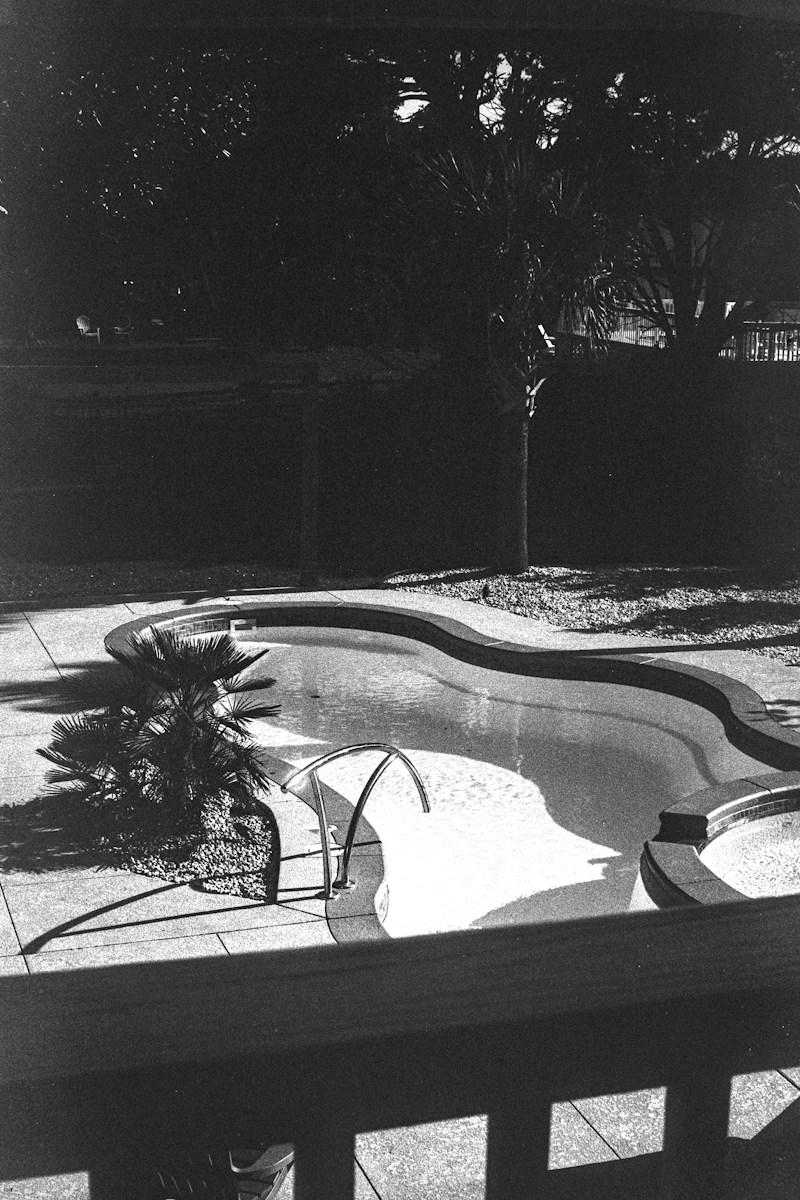
A sparkling backyard pool is one of the most persuasive features in any real estate listing, conjuring images of lazy summer afternoons and effortless entertaining. The reality of pool ownership, though, comes with a long list of practical considerations that rarely make it into the glossy listing photos.
Here are eleven things that can take some of the shine off a pool once it’s actually yours.
Ongoing Maintenance Time and Cost
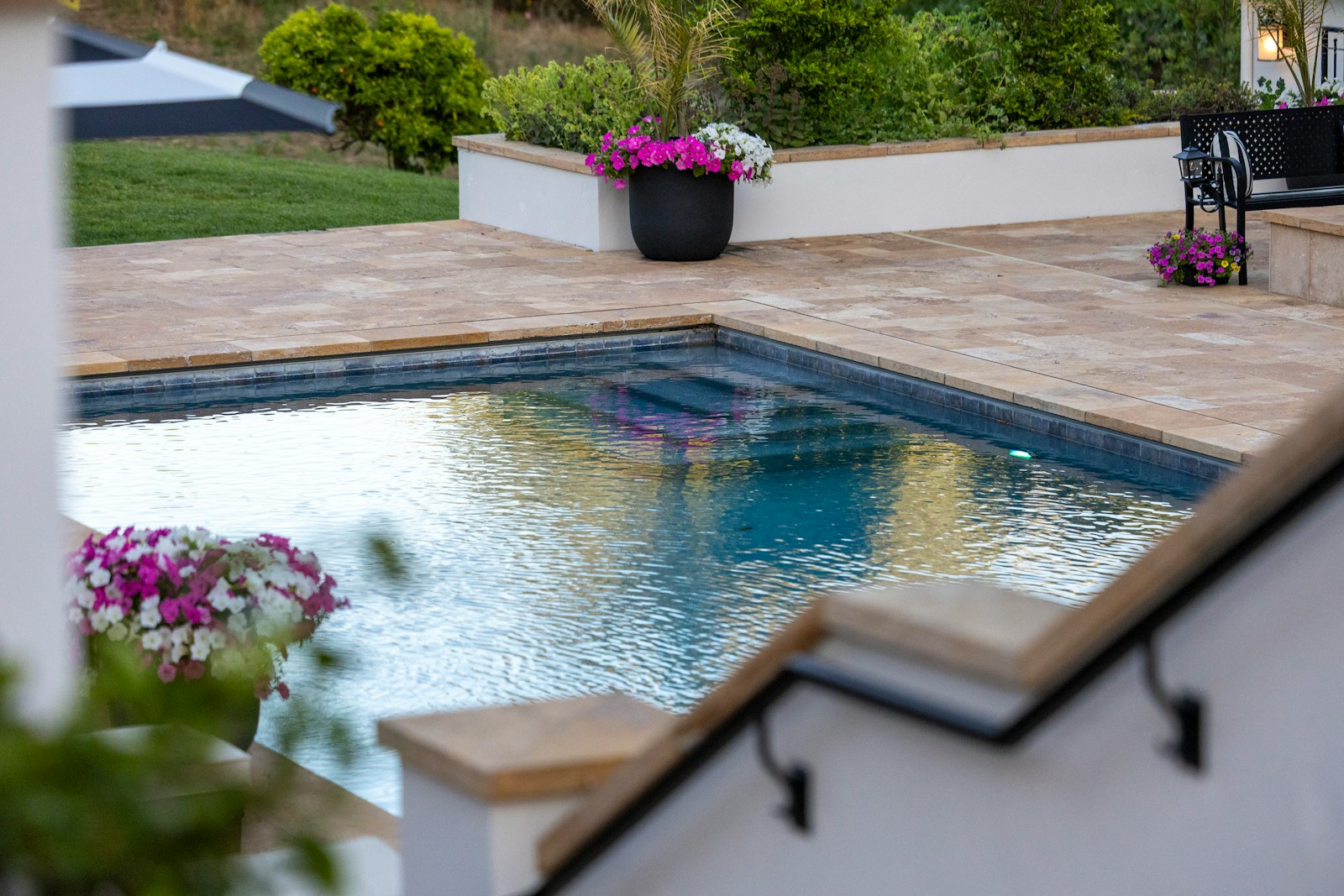
Keeping a pool’s water chemistry balanced, the filter clean, and the surfaces algae-free requires regular, ongoing attention, whether you’re doing it yourself or paying a pool service. Chemicals, electricity for pumps and heaters, and periodic equipment repairs all add up over a season, and many new pool owners underestimate the actual time commitment involved until they’re the ones testing water and skimming debris every few days.
Higher Homeowners Insurance Premiums
Pools are considered an attractive nuisance and a liability risk by most insurers, which typically means higher homeowners insurance premiums for properties with a pool compared to similar homes without one. Some insurers also require specific safety features, like fencing that meets certain specifications, before they’ll offer coverage at all, and failing to maintain those safety requirements can affect a claim if an accident occurs.
Safety Requirements and Liability Concerns
The Consumer Product Safety Commission has repeatedly highlighted the persistent risk of childhood drowning in residential pools, and many municipalities require specific barriers, like four-sided fencing with self-latching gates, separate from any fencing around the yard itself. Pool owners take on real legal liability for accidents involving both invited guests and, in some cases, neighborhood children who access the pool without permission, which is a responsibility that extends well beyond simply enjoying the water.
Shortened Usable Season in Many Climates
Outside of consistently warm climates, an unheated pool is often only comfortably usable for a few months out of the year, which can make the actual cost-per-use much higher than buyers initially calculate when they picture year-round enjoyment. Adding a pool heater extends the usable season but comes with a significant increase in energy costs, and even heated pools in colder climates require winterization procedures each year to prevent damage from freezing temperatures.
Closing and Opening the Pool Each Season
In climates with a defined pool season, opening and closing a pool properly each year is a genuine task involving removing or installing covers, balancing chemicals after months of dormancy, and inspecting equipment for any damage that occurred during the off-season. Skipping proper closing procedures can lead to cracked pipes or damaged equipment from freezing, turning a routine seasonal task into an expensive repair if it’s not done correctly.
Landscaping and Deck Maintenance Around the Pool
The area surrounding a pool, whether it’s a concrete deck, pavers, or natural stone, requires its own maintenance to stay safe and attractive, including periodic resealing, crack repair, and keeping surfaces from becoming slippery with algae or mineral deposits. Landscaping near a pool also needs more careful management than a typical yard, since falling leaves, seed pods, and other debris from nearby trees end up in the water and complicate filtration.
Equipment Repairs and Eventual Replacement
Pumps, filters, heaters, and automated cleaning systems all have a finite lifespan and will eventually need repair or replacement, often at a cost that surprises first-time pool owners who weren’t previously budgeting for this kind of equipment. A pool inherited from a previous owner may come with equipment of unknown age and maintenance history, making it worth asking directly how old the major components are and whether service records exist.
Noise and Privacy Considerations
A pool naturally becomes a gathering spot, which is part of the appeal, but it also means more activity, noise, and potentially less privacy in the backyard, particularly in neighborhoods with homes positioned close together. Pool owners sometimes find themselves needing to invest in additional landscaping or fencing for privacy that wasn’t part of their original budget, especially if neighboring homes have direct sightlines into the pool area.
Water Costs From Evaporation and Refilling
Pools lose water to evaporation continuously, and in hot or dry climates, this can mean a noticeably higher water bill during the months the pool is in use. Splash-out from regular use and the occasional need for a partial or full drain and refill for maintenance purposes add to this cost, which is easy to overlook when calculating the overall expense of pool ownership.
HOA or Municipal Restrictions on Pool Use
Some homeowners associations and municipalities impose specific restrictions on pool hours, fencing requirements, or even pool types and sizes, and a new pool owner can be surprised to discover limitations they weren’t aware of when they bought the home. Checking local ordinances and any applicable HOA rules before assuming full, unrestricted use of an existing pool avoids this kind of unwelcome surprise.
The Eventual Cost of Resurfacing or Major Repairs
Pool surfaces, whether plaster, pebble finish, or vinyl liner, have a limited lifespan and eventually need resurfacing or replacement, a project that can be a significant expense depending on the pool’s size and finish type. Buyers inheriting an older pool should ask about the age of the current surface and any structural repairs the pool has needed, since a pool nearing the end of its surface life will likely require that investment relatively soon after purchase.
Leave a Reply