At 27, most people are still figuring out how to cover their own rent. A nurse who posts as @hannah_bhiatt owns three houses. The catch, as she freely admits, is that the rent her tenants pay does not cover the mortgages. Critics keep telling her she is crazy and should sell. She is not budging, and she says she plans to retire by 40. “Do you know what equity is?” she asks.
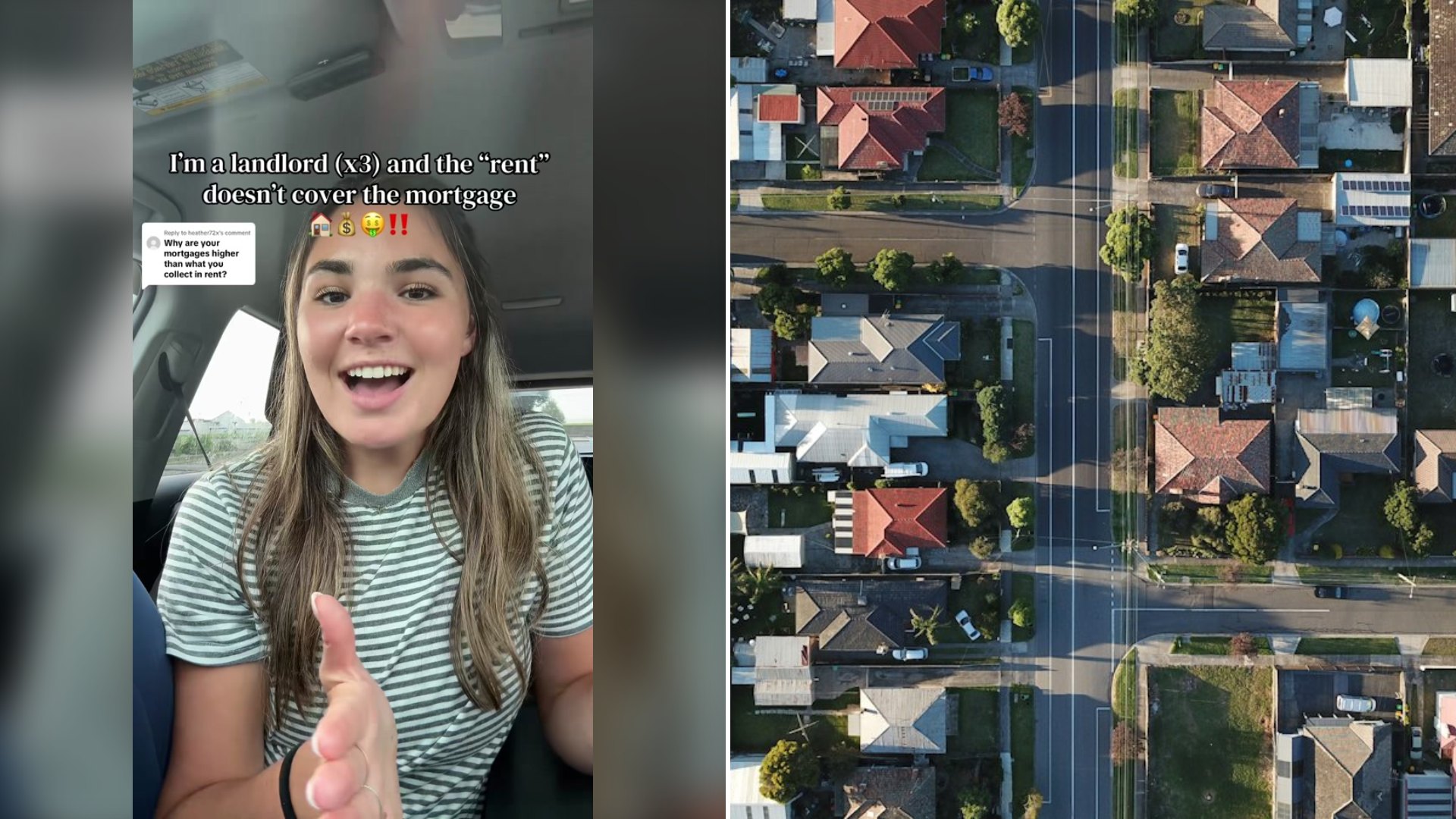
Her caption sums up her attitude: she says people “go crazy every time,” but she is “just using my brain here.”
Her Plan for Three Houses
“I’m 27 years old. I own three houses. I have three mortgages, and the rent that I get from my tenants every single month does not cover said mortgage,” she says. “You guys always think I’m crazy, that I’m stupid… that I have no idea what I’m doing. I should just sell those houses.”
Her strategy is aggressive. She says she does not really keep a savings account. “Left over money that I have that I would normally put in a savings account, I just go and put it into my house,” she explains. “The faster that I can get that baby paid off,” the sooner that rent becomes money in her pocket.
Once one house is paid off, she plans to move on to the next. “I’m gonna start putting extra at the next house. And then I’m gonna start putting extra into the next house,” she says. “My goal is probably to be retired by 40.”
She says the household has solid income behind the plan. “My husband makes good money. I make good money. I have money off social media,” she says. When she budgets, she usually works from her nursing paycheck alone, sometimes adding her husband’s. “Whatever money I get, I’m just dumping into my house.”
She also has a message for people who prefer to rent. Some would rather rent their whole lives, she says, because owning means “you are responsible for said house. If your heating system goes out, if whatever happens, you are responsible. Instead of just calling your landlord.”
@hannah_bhiatt
What Equity Means and Why It Matters
Equity is the part of a home’s value you actually own: the market value minus what you still owe on the mortgage. It grows in two ways. Each payment chips away at the loan balance, and the home may rise in value over time. Her bet is that the equity she builds by paying down three mortgages, combined with eventual rent that is pure income once a house is paid off, will outweigh the money she loses each month along the way.
That strategy can work, and many landlords have built wealth this way. Paying off rental properties early can produce steady income later in life and remove the risk of carrying debt into retirement. But there are real trade-offs worth understanding, especially for anyone considering a similar path.
Her one-house-at-a-time approach also resembles the well-known debt snowball method, where you focus every extra dollar on a single loan, pay it off, and then roll that payment into the next one. The appeal is momentum. Each payoff frees up more money to attack the next balance, and once the first house is clear, its full rent can be pointed at the second mortgage, speeding things up considerably.
The Risks of Negative Cash Flow
- Little room for surprises. Rentals come with vacancies, repairs, and tenants who sometimes stop paying. Without an emergency fund, a new roof or a few empty months can force tough choices, like taking on high-interest debt.
- Money tied up in houses is hard to reach. Equity is not cash. Getting at it means selling or borrowing against the property, which takes time and costs money.
- Income has to stay strong. A plan that depends on two paychecks and side income can wobble if someone loses a job, gets sick, or needs time off.
- Prices do not always rise. Home values can stall or fall in some markets, which slows equity growth.
- Opportunity cost. Extra mortgage payments earn the equivalent of the loan’s interest rate. Depending on that rate, money might grow faster elsewhere, such as in a retirement account with an employer match.
Smart Steps for Anyone Owning Rentals
Many people in their 50s and 60s own a rental or two, sometimes a former family home, and the same principles apply at any age.
- Keep a cash cushion. Many financial planners suggest several months of expenses for your household, plus a separate reserve for each rental property.
- Review rents regularly. Compare your rent with similar homes nearby and adjust within your local rules.
- Pay off the highest-rate loan first if your goal is to save the most interest.
- Carry proper insurance, including landlord coverage and liability protection.
- Talk to a fee-only financial planner or tax professional. Rental properties carry tax rules, including depreciation, that can change the math considerably.
Whether her plan pays off will depend on time, steady income, and a bit of luck with repairs and tenants. But she is clear-eyed about one thing: she knows exactly what she is trying to build, and she is willing to take the criticism along the way.
Leave a Reply