Nobody hands you a warning label with the keys to your first house. For TikTok creator @maazslife, one of the first lessons of homeownership came straight up out of a clogged drain. In a short clip, the new homeowner works a stubborn drain clear and pulls out a long, dark mass of hair that just keeps coming. His caption says it all: “was not expecting all that hair.”
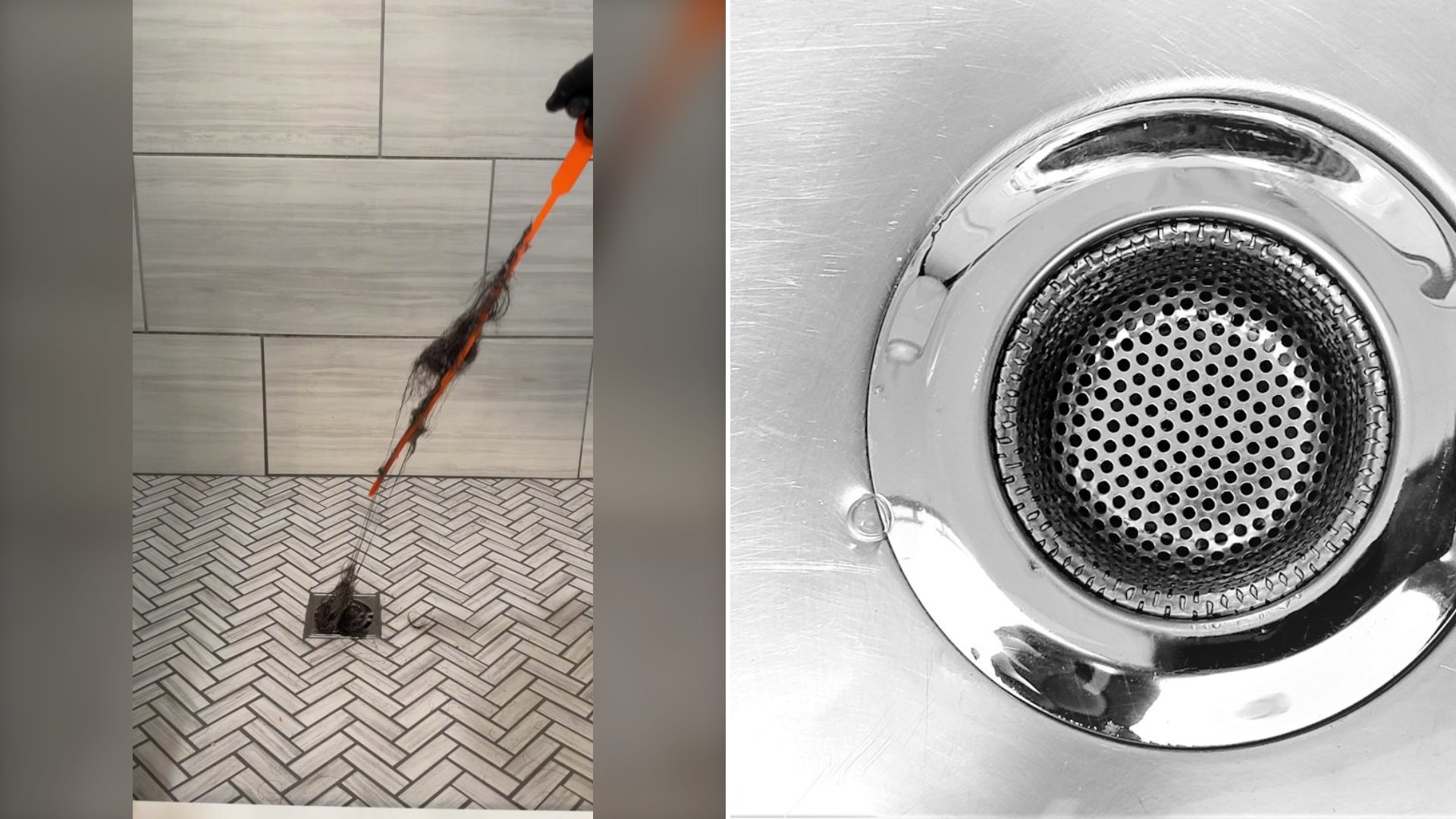
The video, posted in October 2026, has no narration, only music playing over the moment. He tagged it as a first time homebuyer post, and anyone who has ever bought a house will understand why. The excitement of moving in quickly runs into the reality that every pipe, faucet and fixture is now your responsibility. There is no landlord to call and no maintenance request to file.
The reaction is the part people relate to most. A slow drain looks like a small problem from above. Underneath, it can be hiding months or even years of buildup. In a home that has just changed hands, there is a good chance some of what is down there was left behind long before the new owner arrived.
@maazslife
Why Hair Clogs Get So Big
Hair on its own is thin and slippery, so it seems like it should wash right through. The trouble is that it rarely travels alone. In bathroom sinks and tubs, hair tangles with soap scum, toothpaste, shaving cream and the oils from shampoos and conditioners. Those sticky residues act like glue, and each new strand gets caught on the last. Over time, the clump grows into a dense plug that hangs from the stopper mechanism or settles in the curved trap beneath the sink.
The first signs are usually water draining more slowly than it used to, gurgling sounds, or a faint musty smell. By the time water is standing in the basin, the clog is often well established.
How to Clear a Hair Clog Without Calling a Plumber
The good news is that most hair clogs are a do it yourself job, and you probably have what you need already.
Pull the stopper first. In many bathroom sinks, the pop up stopper lifts straight out or comes free after loosening a small nut on the pivot rod under the sink. A surprising amount of hair is often wrapped right around the stopper itself.
Use a plastic drain snake. These inexpensive barbed strips are sold at hardware stores and big box stores for a few dollars. Push it down the drain, twist gently and pull it back up slowly. These snakes are famous for hauling up exactly the kind of clump seen in this video. Keep a trash bag and gloves nearby.
Try a straightened wire hanger in a pinch. Bend a small hook into one end and fish carefully. Go slowly so you do not scratch the finish or push the clog deeper.
Clean the trap if needed. The U shaped pipe under the sink can usually be unscrewed by hand or with slip joint pliers. Put a bucket underneath first. Rinse it out and screw it back on snugly.
Flush with hot water. Once the clog is out, run hot tap water for a minute or two to rinse away the remaining residue.
Many plumbers advise going easy on harsh chemical drain cleaners. They can be hard on older pipes, they are dangerous if they splash, and they often do little against a dense hair clog. If you do use one and it fails, tell any plumber you call, because standing chemicals in a drain can be hazardous to work around.
Keeping Drains Clear From Now On
Once you have seen what can build up in a pipe, prevention suddenly feels worth it.
Add drain catchers. Inexpensive mesh or silicone hair catchers fit over shower and tub drains and stop most hair before it ever goes down. Empty them after each use or every few days.
Brush hair before showering. Loose strands that come out in the brush are strands that never reach the drain.
Do a monthly flush. Pouring a kettle of hot, not boiling, water down bathroom drains once a month helps melt soap residue. Many people also use a half cup of baking soda followed by a cup of white vinegar, let it fizz for 15 minutes and then rinse with hot water. It is not a cure for a full blockage, but it is a gentle maintenance step.
Snake it before it is a problem. Running a plastic snake through bathroom drains a few times a year takes two minutes and prevents bigger clogs later.
A Rite of Passage for New Homeowners
For new buyers, it is a smart idea to clear every drain in the house during the first few weeks after moving in. It is a quick way to find out what the previous owners left behind and to start fresh. The same goes for changing HVAC filters, cleaning the dryer vent and checking under sinks for slow leaks.
And if a drain still runs slow after you have cleared the hair, or several drains in the house are sluggish at once, that can point to a deeper problem in the main line. That is the time to call a licensed plumber.
As @maazslife found out, owning a home brings a few surprises you never see on the listing. Some of them are just a lot hairier than others.
More From Willow and Hearth
- Inspector Says He Could Pull Loose Bricks Right Off the Sill of a New Build Then Asks What You Think of a Kitchen in a Closed Off Far Corner
- Home Inspector Checking a Railing Pulled Out a Voltage Tester and Found a Live Electrical Wire Where No Homeowner Would Ever Expect One, and Electricians Are Stunned
- Pulte New Construction Inspection Shows a Very Different Experience Than the Inspector Expected
Leave a Reply