Walk through a grocery store lately and you’ll notice a funny little time warp happening. Some of the “old-school” staples your grandparents swore by are suddenly back in the cart—right next to the phone calculator app and a very serious budget face. It’s not nostalgia driving this trend so much as sticker shock.
With prices staying stubborn in a lot of aisles, shoppers are getting practical and a bit creative. The result: classic, low-cost ingredients are having a real moment again. Here are five of the big ones, plus why they’re winning and how people are actually using them.
1) Dried Beans
Dried beans are the comeback kid of the pantry world. When meat prices climb and prepared meals feel like a luxury, a one- or two-pound bag of beans starts looking like a tiny financial lifeboat. They’re filling, versatile, and they stretch into multiple meals without trying too hard.
People are also realizing the math is pretty convincing: dried beans typically deliver more servings per dollar than canned, and way more than most convenience foods. The trade-off, of course, is time—soaking and simmering isn’t “five-minute dinner” energy. But with slow cookers, pressure cookers, and batch cooking on a weekend, beans slide back into the weekly rotation pretty easily.
Where they’re showing up: bean chili, lentil soup, burrito bowls, hummus, and even blended into sauces to add body. And yes, more folks are learning that a bay leaf and a little onion can do a lot of heavy lifting.
2) Store-Brand Pasta (and Jarred Sauce, No Shame)
Pasta never really left, but the pendulum is swinging hard toward store brands and larger value packs. Premium “artisan” pasta, meal kits, and restaurant takeout have gotten pricey enough that a $1–$2 box of spaghetti is suddenly the hero again. People aren’t abandoning flavor—they’re just saving it for special occasions.
Jarred sauce is riding the same wave. It’s not that everyone’s forgotten how to simmer tomatoes; it’s that time is expensive too, and jarred sauce is reliable. The new move is “upgrade, don’t replace”: add sautéed garlic, chili flakes, a splash of milk or butter, frozen spinach, or whatever vegetables are hanging around.
Where it’s showing up: baked ziti, spaghetti night, pasta salads for lunches, and one-pan skillet pasta with whatever protein is cheapest that week. The vibe is less “Pinterest dinner” and more “everybody’s fed,” which honestly feels like a win.
3) Canned Tuna
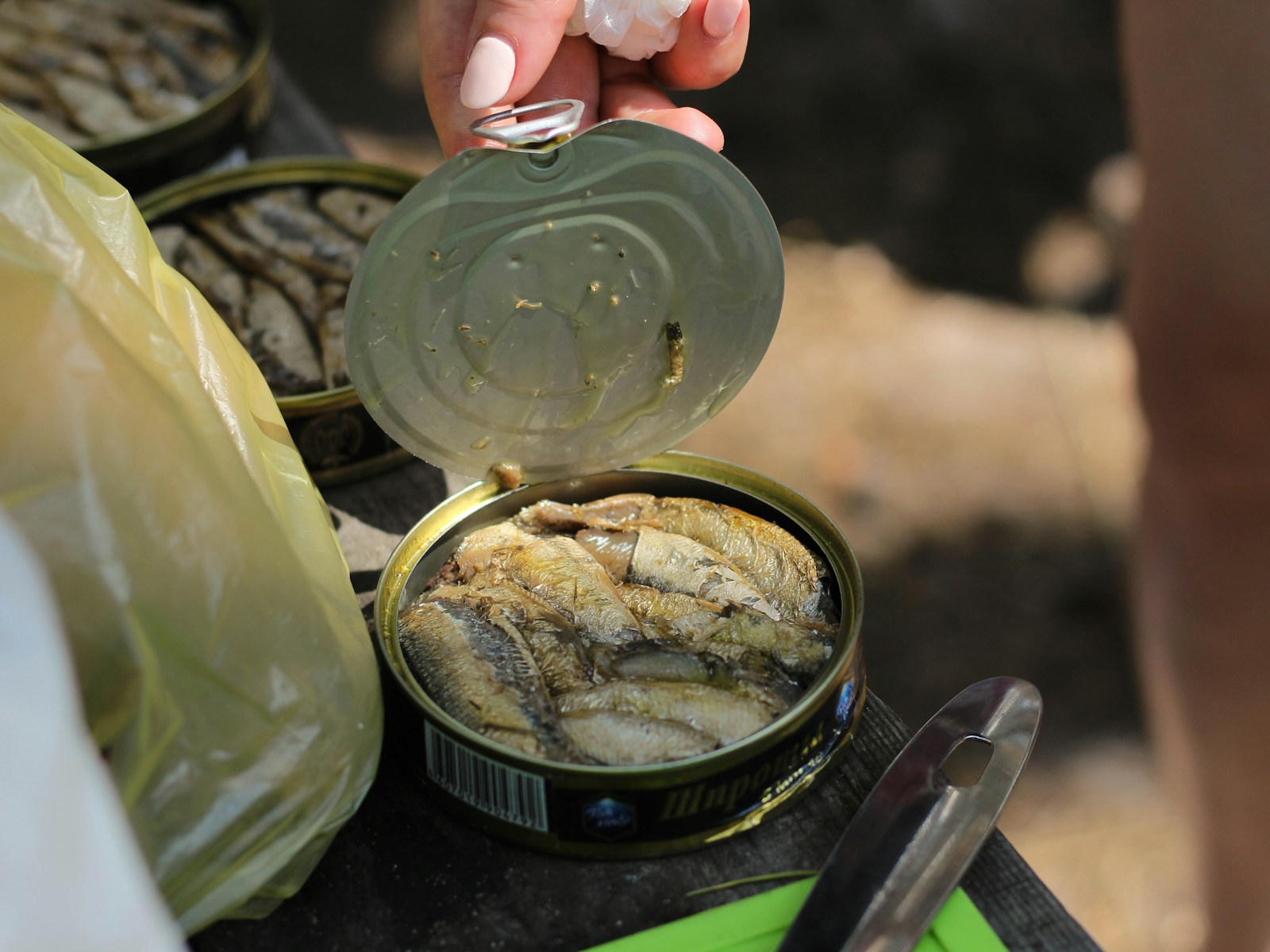
Canned tuna is back because it’s still one of the most affordable ways to get quick protein without turning on the stove. When deli meat prices creep up and pre-cooked chicken can cost a small fortune, tuna starts looking downright reasonable. It also has a long shelf life, which matters when people are trying to reduce waste and shop less often.
It’s not just tuna salad anymore, either. Social media has helped tuna get a mild rebrand—think tuna rice bowls, tuna melts with upgraded bread, or Mediterranean-style mixes with olive oil, lemon, and herbs. Basically, tuna is getting the “make it feel like lunch out” treatment, just at home.
Where it’s showing up: quick sandwiches, pasta with tuna and capers, salad toppers, and pantry “emergency dinners.” If you’ve ever stared into the fridge and found only condiments, you already understand tuna’s enduring appeal.
4) Frozen Vegetables
Frozen vegetables are having a very practical renaissance. Fresh produce can be unpredictable—sometimes it’s expensive, sometimes it goes bad fast, and sometimes it’s weirdly both. Frozen veggies solve a lot of that by staying ready in the freezer, already washed and chopped, with no guilt trip when plans change.
They’re also a budget tool because they let people cook at home more often without constantly re-buying fresh ingredients. A bag of frozen broccoli or mixed vegetables can be split across multiple meals, and it doesn’t get sad in the crisper drawer. And despite the old myths, frozen vegetables can be just as nutritious as fresh, since they’re often frozen close to harvest.
Where they’re showing up: stir-fries, sheet-pan dinners, soups, fried rice, and “I need a vegetable, any vegetable” side dishes. The biggest flex is convenience—frozen veg is basically meal prep that already happened.
5) Powdered Milk (and Shelf-Stable Dairy Alternatives)
This one surprises people until they see the price tags on some refrigerated options. Powdered milk is making a quiet comeback because it’s shelf-stable, budget-friendly, and handy when you’re trying to avoid extra grocery trips. It’s not always the first choice for drinking straight, but it works well in cooking and baking.
Shoppers are also leaning into shelf-stable dairy when fresh milk, cream, or specialty coffee add-ins feel expensive. Powdered milk can stretch into pancakes, breads, soups, mashed potatoes, and casseroles. It’s one of those “backup plan” items that suddenly feels smart instead of old-fashioned.
Where it’s showing up: baking, creamy sauces, homemade mac and cheese, and pantry cooking in general. It’s the kind of item people buy thinking they’ll never use it—until the night they really, really do.
Why These Staples Are Winning Right Now
Across all five items, the theme is simple: they’re flexible, they last, and they stretch. When shoppers are watching both budgets and food waste, ingredients that can turn into three different meals without spoiling quickly become the MVPs. It’s not about deprivation—it’s about control.
There’s also a little psychological comfort here. Classic groceries make meal planning feel less like a puzzle with a hundred overpriced pieces. When you’ve got beans, pasta, tuna, frozen veg, and a shelf-stable dairy option, you can make dinner even if the rest of the week gets chaotic.
And maybe that’s the real comeback story: people aren’t just buying “cheap” food—they’re buying dependable food. The kind that’s been quietly keeping households running for decades, now stepping back into the spotlight because it still does the job.
More from Willow and Hearth:
Leave a Reply