Remember when Grandma kept a coffee can of cash for groceries, darned the heel of a sock and put up tomatoes every August? Those habits were once considered old news. Now, a new crop of young homeowners and renters is giving them a second look, and the reasons sound familiar: rising prices, a wish to waste less and a taste for things made by hand. Here are six old fashioned home habits that boomers have long sworn by, along with what the research and reporting say about the younger people who are starting to pick them up. Some of the numbers are a few years old, and where they are, we say so.
Budgeting With Cash Envelopes
Your parents called it the envelope system. Younger savers call it cash stuffing. A study by The Harris Poll for Credit Karma, published in May 2023, surveyed 2,118 U.S. adults, including 331 members of Gen Z. It found that 72 percent of Gen Z were aware of the cash stuffing trend and 30 percent used it. Among Gen Z respondents who use cash, 64 percent said they spend less when they pay with cash and 59 percent said they use cash to budget.
A note of fairness: the data covers Gen Z, not millennials, and it compared them with Gen X and boomers. Sixty-nine percent of Gen Z said they use cash more than they did a year earlier, versus 47 percent of Gen X and 37 percent of boomers. The idea is the same one your mother taught you. When the envelope is empty, the spending stops. If you want to try it, pick two or three categories that tend to run away, such as groceries and takeout, and put a set amount of cash in each envelope on payday.
Mending Instead of Replacing
Grandma’s sewing basket is making a comeback. In a story carried by KOMO News in September 2025, Checkbook.org reported a small revival of clothing repair, with visible mending, where the repair is openly displayed, playing a big part. Pittsburgh textile expert Rebecca Harrison told the outlet that “now mending something has become a values thing.”
Brooklyn clothing historian Kate Sekules, author of the book Mend, says basic sewing is easy to learn, and the article points to the “Make Do and Mend” era of wartime. The New Daily reported in August 2026 that Gen Z and millennials are projected to drive over 70 percent of market growth in secondhand fashion through 2030, based on GlobalData and ThredUp research. If you have a needle, thread and a few spare buttons, you already own the tools. Start with a loose hem or a missing button and work up from there.
Putting Up Food at Home
Canning is the habit most often described as coming back to life. The Associated Press reported in September 2024 that home canning is seeing a revival, especially among people who have never tried it, and that canners include millennials, families with young children and sustainability-minded folks. In the story, long time canner Laura Sampson says, “I preserve for the sheer joy of it.” The article also notes that the principles are the same, but methods and equipment have changed, so it recommends current, research-backed instructions such as those from the National Center for Home Food Preservation.
There is older data too. A 2015 survey by ORC International for the Ball canning brand, covering 1,019 U.S. adults, found that 49 percent of millennials were interested in canning that summer. The AP piece is available at GV Wire. If you are teaching a grandchild, start with a safe, tested recipe, such as a simple jam, and follow every step exactly as written, rather than relying on a handwritten family recipe.
Cooking From Scratch
Boomers cooked dinner from scratch because there was little other choice, and younger adults are rediscovering the habit. In a 2017 survey summarized by YPulse, people ages 18 to 34 were asked about cooking. Forty-four percent said they cook more than last year, against 21 percent who cook less, and 62 percent said they would rather cook at home than eat out or order in. Almost half said they usually make dinner as a meal from scratch.
One detail should warm every grandparent’s heart. Family was the top source for learning to cook at 71 percent, ahead of online sources and social media. In other words, they are asking you. Invite a grandchild over to make your best pot roast, and write down the measurements together. As Cheapism notes, the USDA says cooked leftovers should be eaten within three to four days or frozen, so Sunday’s roast can turn into sandwiches on Monday and soup on Tuesday.
Shopping Secondhand and at Estate Sales
Hand-me-downs and church rummage sales were a way of life, and they are now a weekend outing for younger shoppers. Franchise Dictionary Magazine reported in September 2025 that Gen Z and millennials see estate sales as a cheaper, more eco-friendly alternative to big-box retail, and that the estate sale franchise Grasons reports a sharp increase in younger buyers looking for well made, unique items at affordable prices.
The same report says these shoppers buy solid wood furniture, hand knotted rugs, vintage art, high quality kitchenware and collectible barware. The report describes them treating estate sales as curated treasure hunts, and Grasons brand president Brandon Ciaccio says each purchase “keeps an item in use and out of the landfill.” For boomers, that is welcome news. It means a lifetime of careful buying may find an appreciative new home. If you are thinking about downsizing, consider hosting a small sale for family first, and let the grandkids pick out the pieces they would like to keep.
Line Drying the Laundry
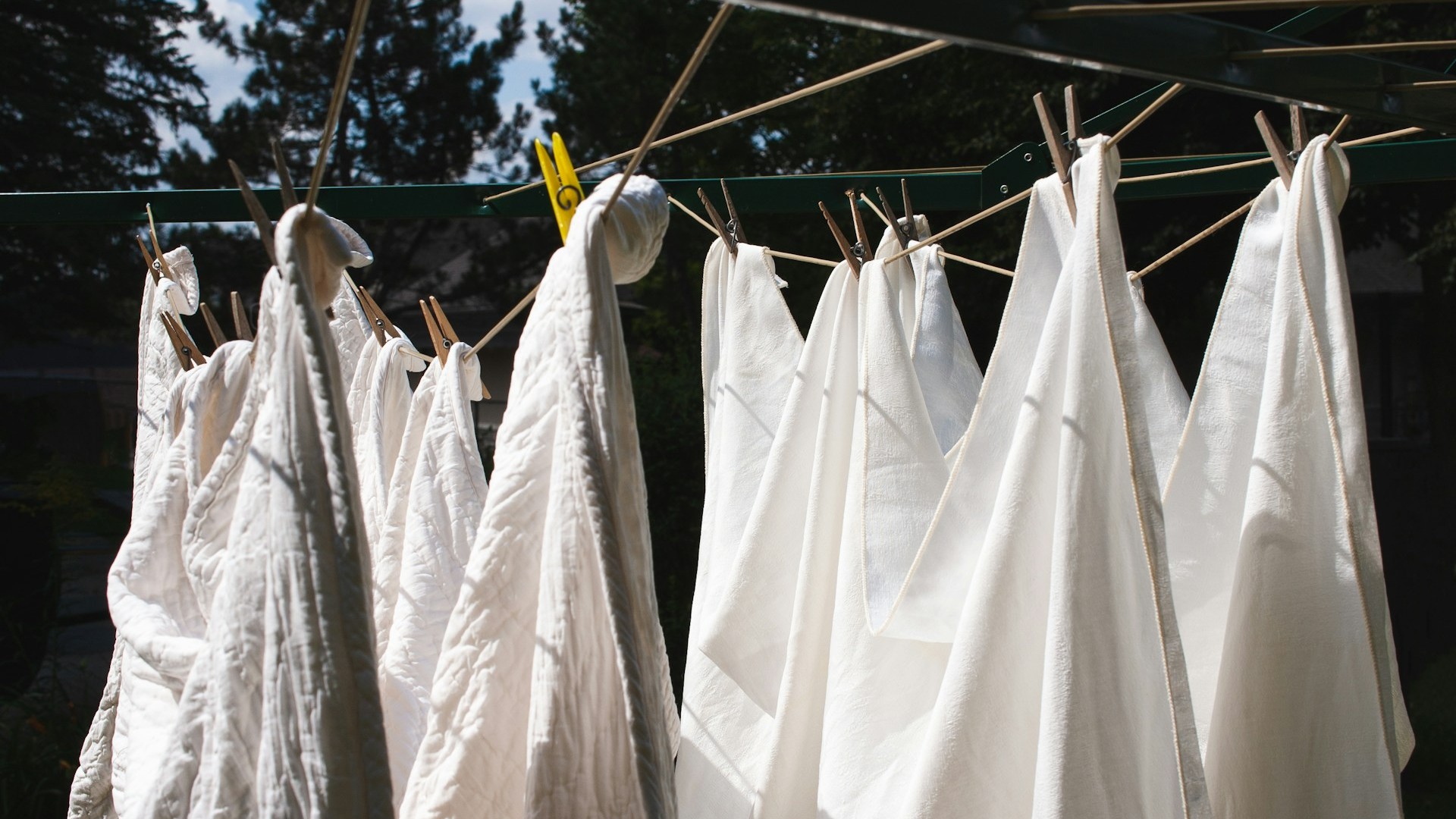
Now to the habit that might be hanging right behind your house. We could not find solid numbers on how many younger households have gone back to the clothesline, so consider this an invitation rather than a trend report. What we can say is what the experts say about the habit itself. Cheapism notes that ENERGY STAR recommends air-drying clothes when practical to conserve energy and help garments last longer.
The Cool Down adds that the dryer uses “five to 10 times the amount of power” that a washing machine does, a figure it attributes to a 2019 New York Times climate newsletter, and that air-drying even one load a week can help cut energy costs. You do not have to give up the dryer entirely. Try hanging towels and bedsheets on a sunny day, and use a folding rack indoors when the weather turns. The fresh smell is a bonus that you will remember from childhood.
Leave a Reply