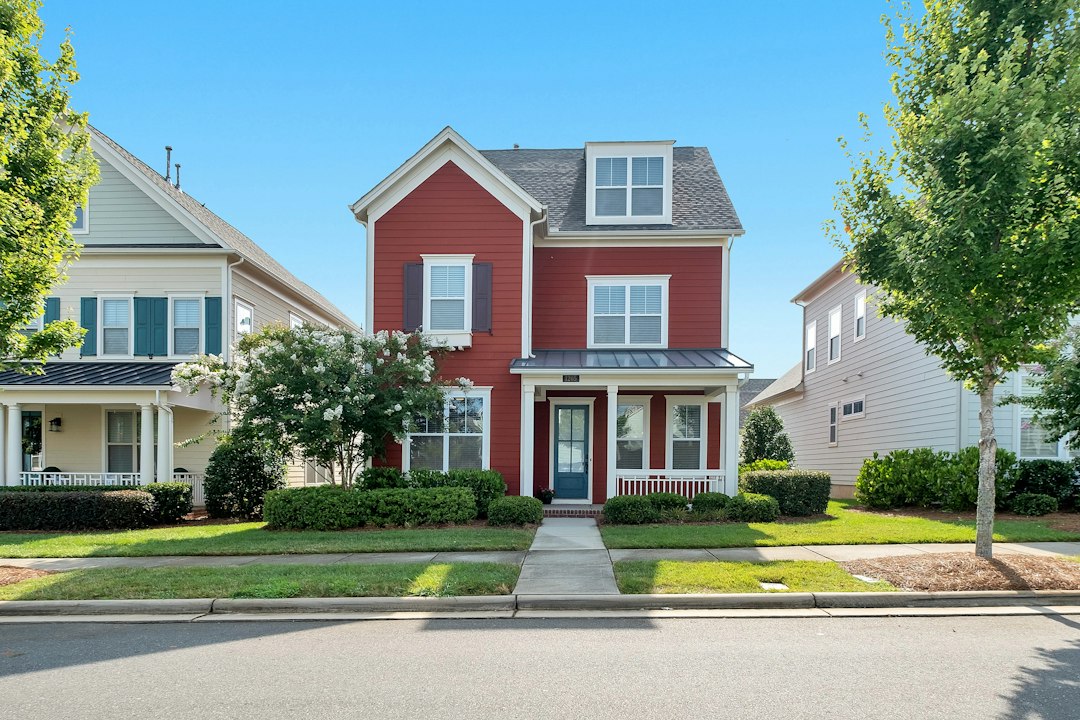
A great listing photo is a piece of marketing, not a piece of evidence. Wide-angle lenses, perfect lighting, and careful staging are all designed to make a room feel bigger, brighter, and more move-in ready than it might actually be.
None of that makes the photos dishonest, exactly — but it does mean a smart buyer treats every listing photo as a starting point for questions, not a final answer. Here’s what those flattering shots often leave out.
The true size of the room
Wide-angle and fisheye lenses are standard in real estate photography because they make small rooms look considerably larger than they are in person. A bedroom that looks spacious enough for a king bed and a dresser in photos might barely fit a queen once you’re standing in it. Always cross-reference photos against the listed square footage and, if possible, the floor plan, and don’t be surprised if a room feels noticeably smaller on the actual walkthrough than it appeared online.
What’s just outside the frame
Photographers choose their angles carefully, and that often means cropping out whatever isn’t flattering — a neighbor’s shed pressed against the fence line, a busy road visible from the front window, or a utility box parked in the middle of the backyard. A photo can be completely accurate and still tell you nothing about what’s happening a few feet to the left or right of the frame.
Lighting that won’t be there at 6 p.m.
Listing photos are typically shot at the most flattering time of day, often with additional lighting equipment or heavy editing to brighten shadows. A living room that looks sun-drenched in photos might actually face north and feel dim most of the afternoon. Ask what direction the main living spaces face, and try to see the home in person at the time of day you’d actually be using that room.
Smells, sounds, and general wear
No photo can capture a musty basement smell, a squeaky floorboard, or the hum of a nearby highway. Staging can also mask general wear — a strategically placed rug over a stained carpet, or furniture arranged to draw the eye away from a scuffed wall. These are exactly the kinds of details that only show up in person or during a proper inspection.
The condition of things that don’t photograph well
HVAC systems, water heaters, roofs, and electrical panels rarely make it into a listing’s photo gallery, yet they’re among the most expensive things to repair or replace. A home can look flawless in every published photo and still need a new furnace within the year. This is precisely why a professional inspection matters regardless of how polished the online listing looks.
How the space actually flows
Individual room photos can make a layout look logical when, in reality, getting from the kitchen to the backyard requires walking through a bedroom, or the only bathroom is accessible solely through the primary suite. Flow and layout are hard to judge from single-room shots, so ask for a full floor plan or walk through the listing video, if one exists, before you fall for a house you haven’t fully pictured moving through.
Leave a Reply