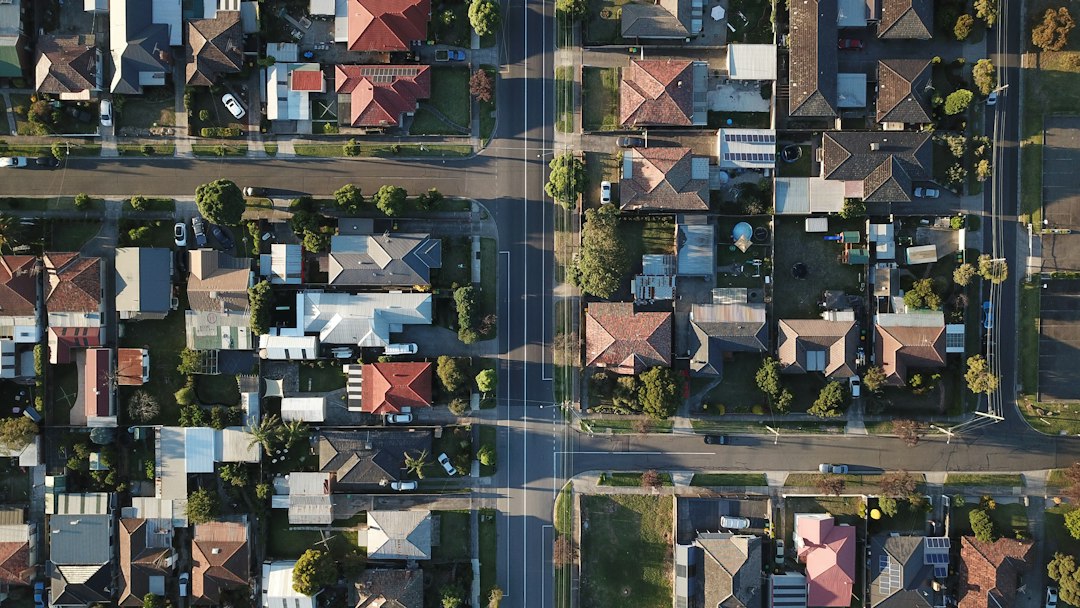
Falling in love with a house is easy. Falling in love with its street takes a little more homework. A recent survey on buyer’s remorse found that most regrets trace back not to the house itself, but to things buyers never thought to ask about the surrounding property and neighborhood until after closing.
The street a home sits on shapes daily life more than almost any single feature of the house. Before you sign anything, here are the questions worth asking a current resident, the seller, or the city — while you still have the leverage to walk away.
What does the street sound like at 7 a.m. and 10 p.m.?
A quiet afternoon showing tells you almost nothing about rush-hour traffic, a nearby bar’s closing time, or a school bus loop that starts before sunrise. Try to drive by the house at both ends of the day, on a weekday and a weekend, before you commit. Garbage trucks, delivery routes, and even a popular running trail can turn a peaceful-seeming block into a noisy one at predictable hours. If you can’t visit twice, ask a few neighbors directly what time the street gets loud, since they’ll usually tell you plainly once you ask.
Is street parking actually available, or is it a nightly competition?
Homes with short driveways or none at all depend on street parking, and in older neighborhoods that space can be scarce. Ask whether permits are required, whether visitors have anywhere to park, and whether neighbors have ever argued over spots. A street that looks empty during a daytime showing can fill up completely by 6 p.m. once everyone is home from work, leaving you circling the block with groceries.
Are there any zoning changes or developments planned nearby?
A quiet street can change quickly if a vacant lot two doors down gets rezoned for multi-family housing, or if the empty field at the end of the block turns into a shopping center. Check with the local planning or zoning department for pending applications, and don’t rely solely on what the seller or agent tells you, since they may not know either. Public records on proposed developments are usually searchable online or available with a quick phone call.
How does this street handle a heavy rainstorm?
Water behaves very differently on paper than it does in real life. Some streets drain fine in a light shower but pool ankle-deep in a real downpour, and that runoff has to go somewhere — often toward the lowest-lying yard or driveway on the block. Ask a longtime resident whether the street has ever flooded, and look for water stains or erosion patterns along the curb and gutters as physical evidence, since people sometimes downplay a known problem.
Who is actually responsible for maintaining this street?
Not every street is maintained the same way. Some are owned and plowed by the city, some fall under county jurisdiction, and some — particularly in newer subdivisions — are private roads maintained by an HOA or even by the residents themselves. This distinction matters enormously for snow removal, pothole repair, and who pays when the pavement eventually needs replacing.
Is there a sidewalk, and is it actually usable?
A sidewalk on paper isn’t the same as a sidewalk you’d let your kids or dog walk on. Some are cracked, overgrown, or interrupted by driveways with no curb cuts, forcing pedestrians into the road. If walkability matters to your daily routine, walk the actual sidewalk in both directions rather than assuming it connects smoothly to nearby parks, schools, or shops.
What’s cell and internet service actually like on this block?
Coverage maps are notoriously optimistic, and a street tucked behind a hill or dense tree cover can have surprisingly weak signal even in a well-connected city. Ask current residents which carriers and internet providers they use and whether they’ve had reliability issues, especially if you work from home and can’t afford a spotty connection.
How dark does the street get at night?
Streetlights vary enormously by neighborhood, and some newer or more rural developments have none at all. A street that feels charming and quiet in daylight can feel isolating and hard to navigate after dark. If you or your family will be walking, biking, or coming home late regularly, visit again after sunset to see for yourself.
How close is this street to a school, fire station, or major through-route?
Proximity to a school can be a selling point during the day and a source of gridlock at drop-off and pickup time. Likewise, a nearby fire station means fast response times but also occasional sirens, and a street that quietly connects two busier roads can become a cut-through for drivers avoiding traffic elsewhere. None of these are dealbreakers on their own, but they’re worth knowing before, not after, you move in.
Leave a Reply