Every gardener has a story about the plant that seemed perfectly reasonable at the nursery and then took over an entire flower bed, fence line, or side yard within a couple of growing seasons. Some plants are simply too vigorous for a typical residential lot, spreading by underground runners, self-seeding prolifically, or climbing into places they were never invited. Once established, many of them are notoriously difficult and expensive to fully remove.
None of these are always a mistake in the right setting, contained and monitored, several can be lovely. But planted without a plan for controlling their spread, they turn a beautiful yard into an ongoing project. Here are eight plants that landscapers and extension offices most often warn homeowners about.
Running Bamboo
Running bamboo spreads through underground rhizomes that can travel remarkably long distances, popping up in a neighbor’s yard, through a driveway, or inside a home’s foundation footing well beyond where it was originally planted. Clemson University’s Home and Garden Information Center notes that once established, running bamboo is extremely difficult to eradicate and typically requires persistent, multi-year control efforts or a physical rhizome barrier to contain. Clumping bamboo varieties behave far better and stay largely where they’re planted, but the two types are easy to confuse at a nursery. Anyone drawn to bamboo for privacy screening should confirm the exact species and, ideally, install a proper barrier before planting rather than after it has already spread.
English Ivy
English ivy is often planted as a low-maintenance groundcover or a climbing accent on a wall, but it spreads aggressively both along the ground and vertically, climbing trees, fences, and house siding wherever it can get a foothold. North Carolina Cooperative Extension lists English ivy among the invasive non-native plants that outcompete native vegetation and can damage tree bark and structures as it climbs. On a house, ivy’s clinging rootlets can work into mortar joints, wood siding, and gutters, trapping moisture against the surface it’s growing on. Once it’s established over a large area, removal is a genuinely labor-intensive, multi-season project rather than a weekend task.

Mint
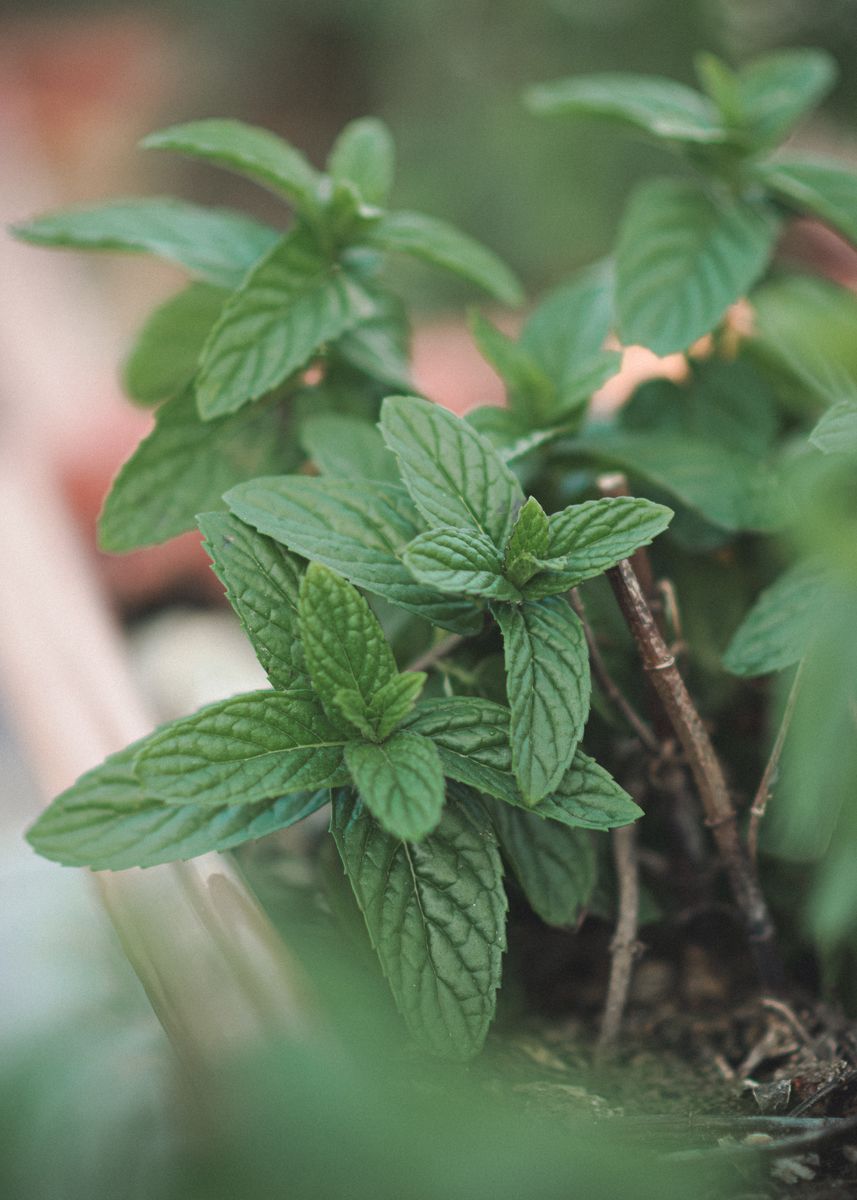
Mint is a kitchen garden favorite for good reason, it’s fragrant, useful, and nearly impossible to kill. That resilience is exactly the problem when it’s planted directly in a garden bed rather than a container, since mint spreads through aggressive underground runners that can quickly overtake neighboring plants and are notoriously hard to fully dig out once established. Gardeners who plant it directly in the ground often spend years afterward finding mint sprouting in unrelated parts of the yard. Keeping mint confined to a pot, even one sunk into the ground with the bottom cut out as a root barrier, avoids the years of aggressive digging out that an in-ground planting eventually demands.
Japanese Knotweed
Japanese knotweed looks like an attractive, bamboo-like ornamental when it’s young, which is part of how it spread so widely before its reputation caught up with it. It’s now considered one of the more aggressive invasive plants in many regions, capable of pushing through cracks in pavement, foundations, and drainage systems as its extensive root system searches for space. In many areas, homeowners are strongly discouraged from planting it, and some jurisdictions restrict it outright given how difficult and costly it is to eradicate once it takes hold. If it’s already present on a property, most experts recommend professional treatment rather than DIY removal, since cutting or disturbing the roots incorrectly can actually encourage it to spread further.
Wisteria
Wisteria’s cascading purple blooms are genuinely stunning on a well-supported arbor or pergola, which is exactly why it remains a popular choice despite its reputation. Left unchecked, though, its woody vines grow rapidly and with tremendous strength, capable of prying apart wood fencing, damaging gutters, and even distorting weaker structures over years of unchecked growth. It also spreads by both seed and root sprouts, sending up new shoots well outside the area it was originally planted in. Wisteria genuinely needs a sturdy, purpose-built structure and a committed annual pruning routine, without that combination, it tends to become a maintenance burden rather than the showpiece it’s known for.

Trumpet Vine
Trumpet vine’s bright orange, tubular flowers are a magnet for hummingbirds, which makes it an appealing choice for a pollinator garden. It’s also an extremely vigorous grower that spreads both by seed and by underground runners that can send up new shoots yards away from the original plant. Its woody, twining vines can also damage wood fencing, siding, and gutters if allowed to climb directly onto a structure, similar to wisteria. Once trumpet vine is established in a garden bed, pulling every runner is a persistent, multi-year effort, which is why many gardeners recommend planting it only where its spread can be physically contained, such as a bed bordered by pavement on all sides.
Bishop’s Weed (Goutweed)
Sold under the appealing name variegated Bishop’s weed or goutweed, this groundcover was marketed for decades as a tough, attractive filler for shady spots where little else would grow. That toughness turns out to be the entire problem: it spreads through an aggressive underground root network that can overtake garden beds and lawn areas within a few seasons, and it’s notoriously resistant to simple pulling since any leftover root fragment can regrow a new plant. Many extension offices and native plant societies now actively discourage planting it given how difficult it is to remove once established. Gardeners wanting a similar shade-tolerant groundcover look increasingly turn to native alternatives that offer comparable coverage without the multi-year removal project.
Japanese Honeysuckle
Japanese honeysuckle’s sweet fragrance and fast-growing vines made it a popular choice for covering fences and trellises for generations. It has since become one of the more widely recognized invasive vines in many regions, climbing and smothering shrubs, small trees, and fences, sometimes girdling and killing the plants it climbs over. It spreads both by seed, carried widely by birds, and by rooting wherever its trailing vines touch soil, which makes containment genuinely difficult once it’s established nearby. Native honeysuckle varieties offer similar fragrant blooms without the same aggressive, smothering growth habit, and are generally the better choice for a trellis or fence line.
Leave a Reply