
Selling a home is, in part, a performance, and sellers have gotten remarkably good at staging that performance for maximum emotional impact on a very real budget. Some updates genuinely improve a home’s value and function, and certain projects consistently recoup more of their cost than others according to industry research. But other updates are pure theater, designed to create a strong first impression that doesn’t necessarily reflect the home’s actual condition underneath.
None of these tricks are inherently dishonest, staging a home well is a completely normal part of selling. But recognizing them helps a buyer see past the performance to what’s actually being purchased. Here’s what tends to create the most impressive first impression for the least underlying investment.
A Fresh, Neutral Coat of Paint Everywhere
Paint is one of the cheapest, highest-impact updates available, and a uniform, neutral color throughout a home creates an immediate sense of newness and cohesion, even when it’s covering walls that haven’t been touched structurally in decades. It’s also an easy way to visually unify a house that has otherwise mismatched finishes or aging surfaces. A fresh paint job says almost nothing about the condition of what’s underneath, which is exactly why it’s worth looking past.
Peel-and-Stick or Click-Together Flooring
Modern peel-and-stick tile and click-lock laminate flooring can look convincingly like real hardwood or stone in photos and even in person at a glance, while costing a fraction of the price and installing in a fraction of the time. These products have genuinely improved in quality, but they don’t always hold up the same way to years of foot traffic, moisture, or furniture moves. Checking flooring closely at seams and edges, and asking directly what material was used, reveals a lot that a quick glance won’t.

Cabinet Painting Instead of Cabinet Replacement
Painting or refacing existing cabinet boxes with new doors and hardware can completely transform a kitchen’s appearance for a fraction of what full cabinet replacement costs, and when done well it’s a perfectly legitimate renovation choice. The issue arises when it’s used specifically to distract from cabinet boxes that are structurally worn, water damaged, or simply too dated in layout to function well long-term. Opening drawers and cabinets fully, and checking the interior condition rather than just the painted exterior, gives a much clearer picture.
Staging Furniture Scaled Smaller Than Normal
Professional stagers frequently use furniture that’s slightly smaller than standard sizing specifically because it makes rooms photograph and feel more spacious than they actually are. A bedroom that looks generously sized with a staged bed can feel considerably tighter once a buyer’s actual, standard-sized furniture is moved in. Bringing a tape measure to a showing and comparing actual room dimensions to your own furniture is a simple way to see past this trick.
New Hardware and Light Fixtures Over Old Infrastructure
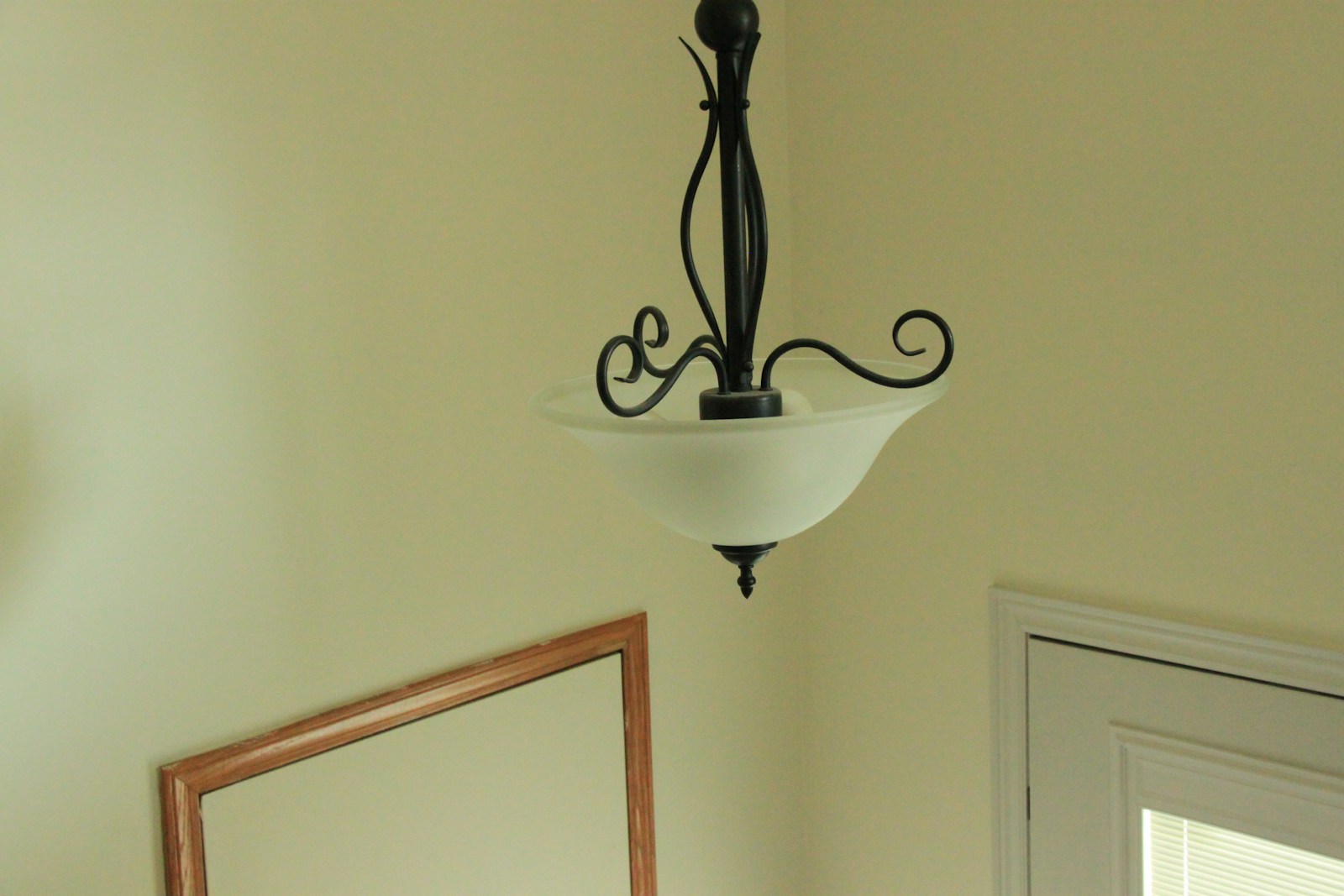
Swapping out cabinet pulls, faucets, and light fixtures for trendy, modern versions is an inexpensive way to make a kitchen or bathroom feel current, but it says nothing about the condition of the plumbing or electrical systems those fixtures are actually connected to. A beautiful new faucet can be attached to decades-old pipes just as easily as new ones. Asking about the age of underlying systems, rather than judging by the fixtures on top of them, avoids being swayed by surface-level updates alone.
Strategic Lighting to Maximize Brightness
Sellers and stagers often open every blind, turn on every light, and sometimes bring in additional lamps specifically for showings and listing photos, creating a brightness level that may not reflect how the home actually looks day to day. A room that seems flooded with light during a showing can feel noticeably dimmer on an overcast afternoon or in the evening. Visiting at a different time of day, with natural lighting conditions the seller didn’t stage for, gives a more honest sense of a room’s everyday feel.
A Single Statement Wall or Backsplash
A bold accent wall, a striking tile backsplash, or an eye-catching light fixture creates a strong visual anchor that draws attention and creates a positive emotional impression, sometimes intentionally distracting from less impressive surrounding finishes. This is a well-known interior design and staging strategy precisely because a single strong feature can shape a buyer’s overall impression of an entire room. Consciously looking at the rest of a room separately from its most eye-catching feature helps create a more balanced assessment.
Scented Candles and Baked Goods During Showings
The classic trick of baking cookies or lighting a specific candle before a showing works because scent has an outsized effect on emotional impressions, and a home that smells warm and inviting registers subconsciously as move-in ready even if there’s nothing structurally different about it. This tactic is old precisely because it’s effective, and it’s worth recognizing for what it is: an emotional cue rather than information about the home’s condition. Trying to evaluate a home’s actual features separately from its ambient smell is a genuinely useful mental exercise.

Furniture Arranged to Disguise an Awkward Layout
Professional staging can cleverly arrange furniture to make an oddly shaped room, a narrow hallway, or an awkward transition between spaces feel more intentional and functional than it might actually be for everyday use. A creatively placed bookshelf or rug can visually smooth over a layout quirk that would otherwise be immediately obvious. Mentally picturing the room completely empty, or asking to see it without staging furniture if possible, helps reveal the actual bones of the space.
A Single Impressive Outdoor Space That Distracts From the Rest of the Yard
A beautifully staged patio area with new furniture, string lights, and potted plants can create such a strong positive impression that it distracts from the condition of the rest of the yard, including fencing, drainage, or landscaping that hasn’t received the same attention. This kind of selective staging is common because it’s far cheaper to perfect one small area than to renovate an entire yard. Walking the full property, not just the staged focal point, ensures the whole picture gets evaluated rather than just its most photogenic corner.
Leave a Reply