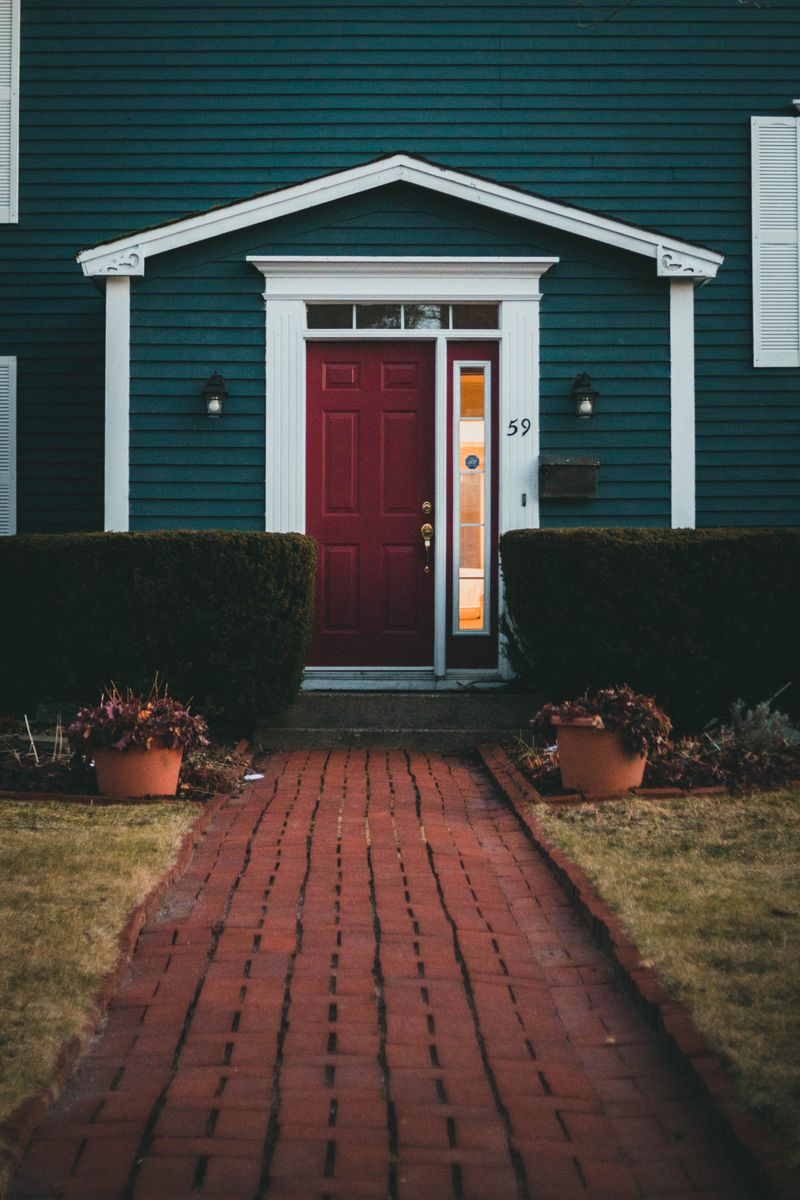
There’s a particular kind of front yard that isn’t falling apart exactly, nothing is broken, nothing is an emergency, but it still reads as a little tired the moment you pull up. It’s rarely one dramatic problem causing that impression. More often it’s a handful of small, easy-to-overlook details that accumulate quietly until the whole front of the house feels a bit worn around the edges, even when the homeowner still thinks of it as looking fine.
The upside is that most of these are quick, inexpensive fixes rather than major projects. Here are nine common details that make a front yard look more neglected than it probably is, and what tends to turn that impression around fast.
A Leaning, Rusted, or Dented Mailbox
The mailbox sits right at the edge of the property, often the very first thing someone notices when approaching a house, and a rusted post, peeling paint, or a box knocked crooked by a snowplow or an errant delivery truck is easy to stop seeing once you live with it every day. Because it’s a small, standalone object rather than part of the house itself, it’s also one of the quickest fixes on this entire list, a fresh coat of paint, a straightened or replaced post, or a new box altogether can be done in under an hour. Given how much visual weight a mailbox carries simply from its position at the curb, it’s a disproportionately impactful thing to keep in good shape.

Faded or Missing House Numbers
House numbers that have faded, fallen off, or were never particularly visible to begin with create a small but real sense that a property isn’t being tended to closely. Beyond the aesthetic issue, hard-to-read house numbers are a genuine practical problem for delivery drivers, guests, and emergency responders trying to locate the right address quickly. Larger, clearly contrasting numbers, ideally lit or reflective for nighttime visibility, solve both problems at once for very little cost. It’s one of those details that’s easy to forget about entirely until someone points out they drove past the house twice looking for it.
Untrimmed Edges Along Walkways and Driveways
Grass and weeds creeping over the edges of a front walkway or driveway blur the clean lines that make a yard look intentional and cared for. It happens gradually enough that it’s easy to miss week to week, but the cumulative effect over a season is a front yard that looks soft and undefined at the edges rather than crisp. A dedicated edging tool run along every hard surface every few mowing cycles keeps those boundaries sharp without much added time. It’s a small habit that has an outsized effect on how tidy the whole yard reads, even if the lawn itself is otherwise in decent shape.
Dead or Dying Foundation Plants Left in Place
A shrub or perennial that dies back, whether from disease, drought, or simple age, often gets left in place far longer than it should, especially when replacing it feels like a bigger project than it actually is. A brown, brittle plant right along the foundation is one of the more obvious signals of neglect, since it stands out sharply against anything green nearby. Removing dead plantings promptly, even without immediately replacing them, already improves the look, and swapping in something new restores the intended visual rhythm of the bed. Letting a dead shrub linger for an entire season is one of the more avoidable ways a front yard starts to look forgotten.
Cracked, Uneven, or Faded Walkway Pavers
The path from the driveway or sidewalk to the front door gets walked constantly, and pavers, stepping stones, or poured concrete along that route show wear faster than almost any other part of the yard. Cracks, shifting or sunken pavers, and faded color from years of sun and foot traffic are easy to stop registering as a problem once you’re used to stepping carefully around them. Beyond the appearance, uneven pavers are also a real trip hazard for visitors unfamiliar with the exact spots to avoid. Releveling shifted pavers or resealing faded concrete is a manageable weekend project that restores both safety and appearance along the most-used path on the property.
Patchy, Faded, or Missing Mulch
Fresh mulch gives garden beds a crisp, finished look, but it fades and breaks down over a single season, and beds that haven’t been refreshed in a year or two often show bare soil, weeds, and a dull gray tone where rich brown or black mulch used to be. It’s an easy detail to deprioritize since mulch doesn’t affect plant health as urgently as watering or pruning does, but visually it’s one of the more noticeable indicators of how recently a yard has been tended to. A once-a-year refresh, typically in spring, keeps beds looking consistently maintained rather than cycling between freshly done and visibly overdue. It’s also one of the more affordable seasonal yard tasks relative to the visual payoff.

Overgrown Hedges Blocking Pathways or Windows
Hedges and foundation shrubs that haven’t been trimmed in a while don’t just look shaggy, they start physically encroaching on walkways, porch steps, and windows, forcing visitors to duck or squeeze past on the way to the front door. Beyond the neglected appearance, overgrown greenery pressed against windows can block natural light and trap moisture against siding. A regular trimming schedule, typically two to three times during the growing season depending on the species, keeps hedges at a size that frames the house rather than swallowing it. Letting hedges go untrimmed for even one full season is often enough to visibly shift a yard’s whole impression.
Broken or Missing Porch and Step Railings
A cracked step, a wobbly railing, or a section of railing that’s missing entirely is one of those issues that homeowners often adjust to instinctively, grabbing the sturdier section out of habit, without registering how visibly worn it makes the entry look to a first-time visitor. Beyond appearance, damaged railings and steps are a genuine safety hazard, particularly for older visitors, delivery workers, or anyone during icy or wet weather. Repairing or replacing damaged sections is usually a contained, affordable project compared to most exterior repairs, and it removes one of the more noticeable signs of deferred maintenance right at the home’s main entry point. It’s also one of the first things a home inspector or appraiser is likely to flag.
Weathered Flags, Wreaths, or Holiday Decor Left Up Too Long
A seasonal wreath, a flag, or holiday lights left up well past their season is one of the most common and most avoidable ways a front yard starts to look neglected. Sun-bleached fabric, a faded flag, or string lights still hanging in March all send the same signal, that the exterior hasn’t gotten much attention in a while, even if the inside of the home is immaculate. It’s an easy fix that mostly requires remembering to take decorations down promptly once their season passes, and swapping in something simple and neutral in between, like a plain doormat and a healthy potted plant, keeps the entry looking considered year-round rather than stuck in whatever holiday last came through.
Leave a Reply