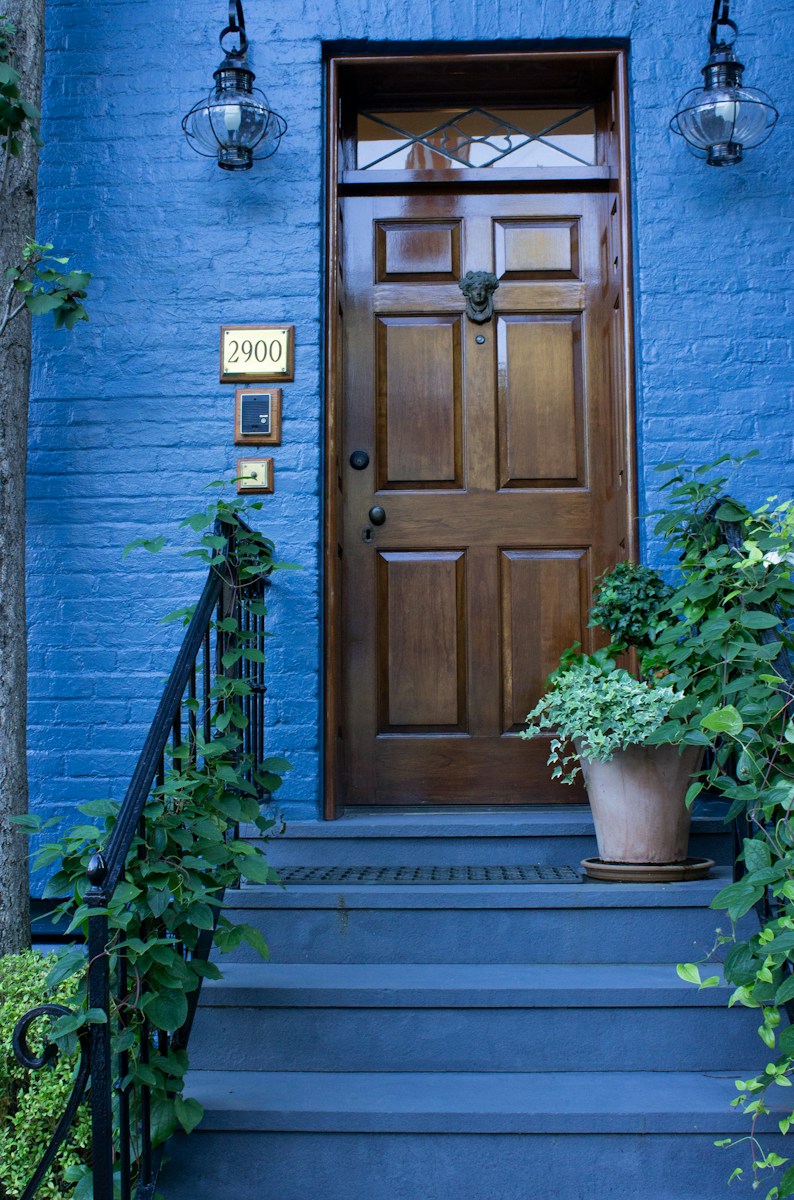
Curb appeal has a funny way of eroding gradually, in increments so small that the people living in the house barely notice them happening. A little paint fades here, a bush grows a little wilder there, and over a few years, a home that once looked crisp and cared-for starts to blend into the background for entirely different reasons. First impressions carry real weight when it comes to a home’s value, and the National Association of Realtors has found that strong curb appeal consistently influences how buyers and appraisers perceive a property before they’ve even stepped inside.
The good news is that most curb appeal killers are fixable without a major renovation. Here are ten common issues that quietly chip away at a home’s exterior appeal, often without the homeowner realizing how much has changed.
Faded, Peeling, or Chalky Exterior Paint
Sun exposure and weather wear down exterior paint gradually, and because homeowners see their own house every day, the fading often goes unnoticed until a neighbor’s fresh paint job or a for-sale photo makes the contrast obvious. Chalky residue, visible brush lines, or peeling patches near trim and window frames read as neglect even when the rest of the home is well maintained. A full repaint is a significant investment, but even touching up trim, shutters, and the front door can meaningfully refresh the overall impression. Exterior paint typically needs attention every seven to ten years depending on climate and siding material, and tracking that timeline helps avoid the slow slide into visibly worn.
Overgrown Landscaping Swallowing the House
Shrubs and foundation plantings that seemed appropriately sized when planted have a way of overtaking windows, walkways, and even porch railings within just a few years of unchecked growth. Overgrown greenery blocks natural light from entering the home and can trap moisture against siding, contributing to mildew or wood rot over time. It also visually shrinks a house from the street, since large, shapeless bushes crowd out the architectural features that would otherwise stand out. Regular trimming to keep plantings well below window sills and away from direct contact with siding keeps landscaping looking intentional rather than like it’s been left to its own devices.
A Cracked, Stained, or Oil-Spotted Driveway
The driveway is one of the largest visible surfaces on most properties, and cracks, oil stains, and discoloration are hard to miss once they set in. Concrete and asphalt both develop hairline cracks over time from freeze-thaw cycles and general wear, and left unaddressed, small cracks tend to widen and multiply. A pressure wash and a fresh sealcoat on asphalt, or a degreaser treatment on concrete stains, can dramatically improve the look for a relatively modest cost compared to full replacement. Because a driveway takes up so much visual real estate right at the front of the property, its condition disproportionately affects how put-together the whole exterior appears.
Dated or Mismatched Exterior Light Fixtures
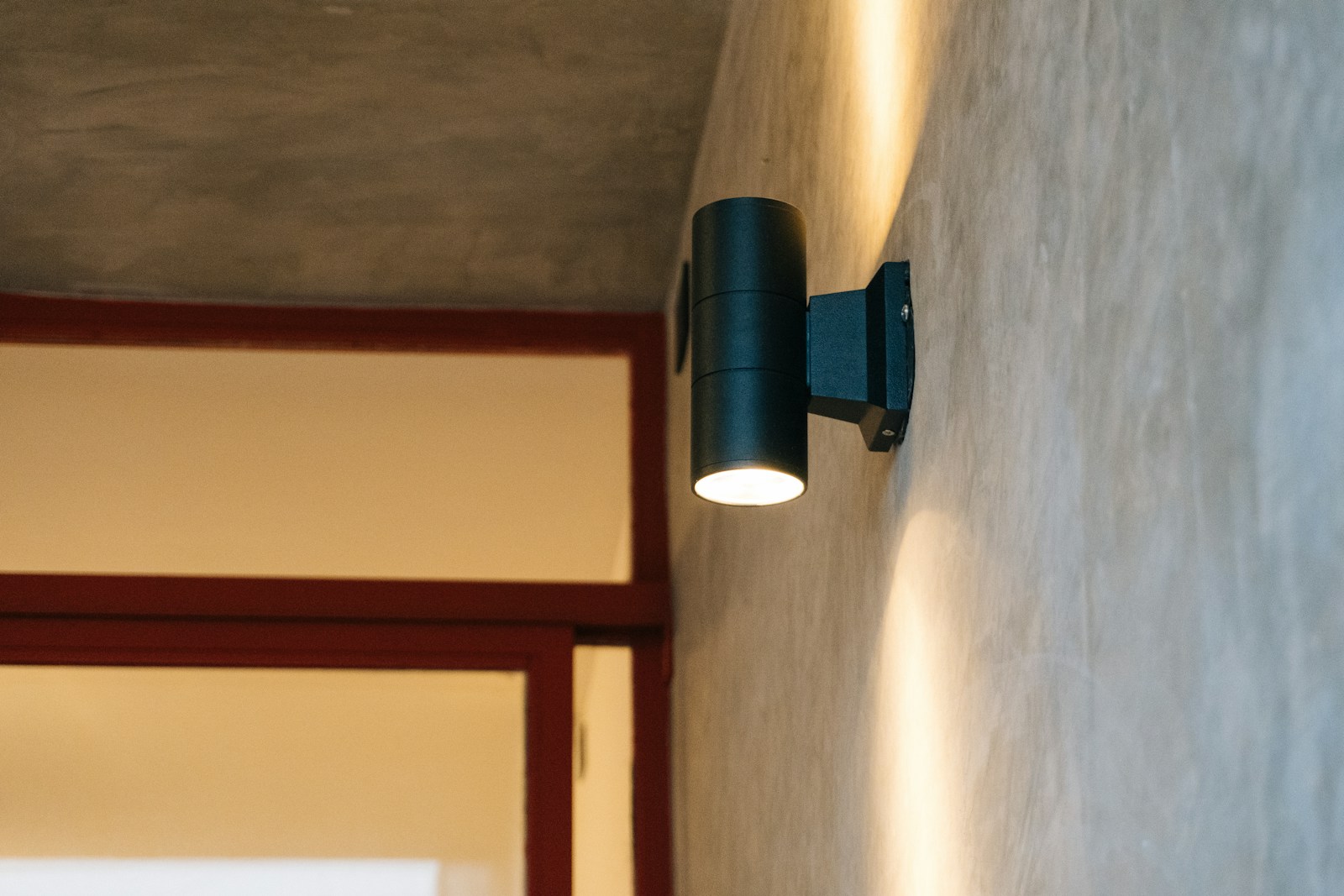
Exterior light fixtures tend to be installed once and then forgotten for decades, which means a lot of homes are still wearing porch lights and coach lamps that were fashionable when they were installed and nothing since. Mismatched fixtures, one style by the front door and another by the garage, read as an unfinished, piecemeal exterior even when everything else is in good shape. Swapping to a coordinated, updated set of fixtures is one of the more affordable exterior upgrades available and makes an outsized difference in how modern and cared-for the whole facade looks. It’s a project that can typically be done in an afternoon without any professional help.
Algae, Mold, or Dirt Streaks on Siding and Roofing
Humid climates in particular are prone to greenish-black algae streaks developing on siding and roof shingles, a slow buildup that’s easy to stop noticing since it happens gradually. These streaks can make an otherwise well-maintained home look neglected or even hint at bigger moisture problems to an untrained eye, which matters especially when a home is on the market. A professional soft wash or a simple oxygen bleach and water solution can restore siding significantly, and roof-safe cleaning treatments handle shingle staining without damaging the roofing material. Addressing it periodically, roughly every couple of years in humid regions, prevents the buildup from becoming a much bigger cleaning project.
A Cluttered or Overloaded Front Porch
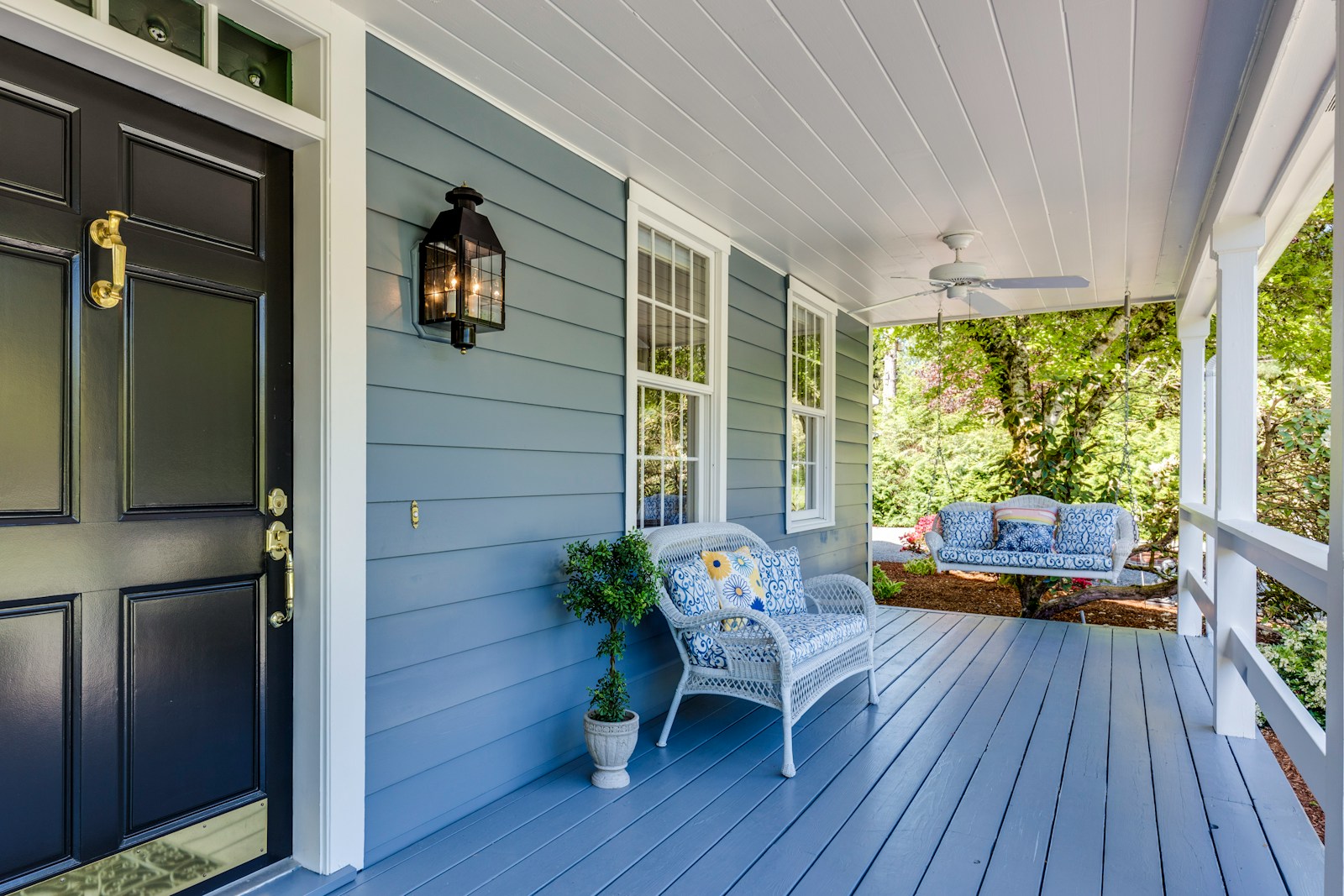
A porch filled with mismatched furniture, holiday decorations that never came down, or general storage overflow undercuts curb appeal fast, since it’s usually the very first thing visible when approaching the front door. What feels like normal accumulated household use to the people living there often reads as clutter to a fresh set of eyes. Paring the porch down to a couple of coordinated furniture pieces, a doormat, and simple seasonal touches makes the entryway feel intentional rather than like an overflow storage space. It’s one of the fastest and cheapest curb appeal fixes available, often requiring nothing more than an afternoon of decluttering.
Rusty, Sagging, or Overflowing Gutters
Gutters are easy to ignore because they sit above eye level, but rust streaks running down siding, visibly sagging sections, or plants sprouting from clogged gutters are hard to miss once you notice them. Beyond the appearance issue, poorly functioning gutters can direct water toward the foundation instead of away from it, turning a cosmetic issue into a structural one over time. Regular cleaning, at least twice a year in most climates, and prompt repair of sagging brackets keeps gutters from becoming both an eyesore and a maintenance liability. Gutter guards can also reduce how often manual cleaning is needed, especially on properties with a lot of overhanging trees.
An Outdated or Damaged Front Door
The front door is one of the most scrutinized elements of a home’s exterior, since it’s the literal focal point every visitor and passerby looks toward. A door with peeling paint, a dated color, scratched hardware, or a screen door that no longer closes properly drags down the whole entrance even if the rest of the exterior is in decent shape. A fresh coat of paint in a well-chosen color, updated hardware, and a working, well-fitted door make an outsized impression relative to the cost. Because it’s such a small, contained project compared to most exterior updates, it’s often one of the highest-return curb appeal fixes available.
Bare Patches, Weeds, or Uneven Lawn Edges
A lawn doesn’t need to be a golf-course-quality green to look cared for, but bare dirt patches, dandelions gone to seed, and grass creeping unevenly over walkway edges send a clear signal of neglect from the street. These issues tend to compound gradually, since a bare patch that isn’t reseeded expands, and uncut edges blur the line between lawn and hardscaping over a season. Regular edging along walkways and driveways, along with reseeding bare spots promptly, keeps a lawn looking intentional even without a perfectly manicured look. It’s a maintenance habit rather than a one-time fix, but it’s also one of the cheapest ways to keep curb appeal from slipping.
Visible Trash Cans, Hoses, or Yard Clutter
Trash and recycling bins left out in full view of the street, a garden hose coiled loosely on the lawn, or a collection of tools and yard equipment left leaning against the house all chip away at an otherwise well-kept exterior. None of these items are a problem in themselves, they’re just poorly placed for visibility rather than function. A simple enclosure, decorative screen, or designated side-yard storage spot for bins and equipment keeps daily household clutter out of the direct sightline from the street. It’s a small organizational shift that has an outsized effect on how finished and intentional the whole property appears.
Leave a Reply