Decorating a home to reflect your own taste is one of the genuine joys of homeownership, right up until you decide to sell and discover that some of your boldest choices are quietly narrowing your buyer pool. Buyers touring a home for sale are trying to picture their own life in the space, and highly specific or trend-driven decorating decisions can make that mental exercise harder, even when the choice itself was executed beautifully.
This isn’t an argument for beige everything. It’s about recognizing which popular decorating trends tend to create friction with buyers and cost sellers time or money at the negotiating table. Here’s what real estate agents and sellers commonly point to.
Bold or Dark Paint Colors in Main Living Areas
A dramatic navy dining room or a moody dark green office can look stunning in person and in photos, but Zillow’s research on paint colors and home sales has found that certain colors in key rooms are associated with higher or lower sale prices, with soft, neutral, and certain muted tones tending to perform better with buyers than intensely saturated or very dark choices in main living spaces. Bold colors can also make it harder for buyers to picture their own furniture and belongings in a room, since the color itself becomes the dominant visual element. Sellers don’t necessarily need to repaint everything a shade of white, but repainting the boldest rooms to a more universally appealing neutral before listing is a common and relatively inexpensive step agents recommend to widen a home’s buyer appeal.
Heavy, Dated Wallpaper
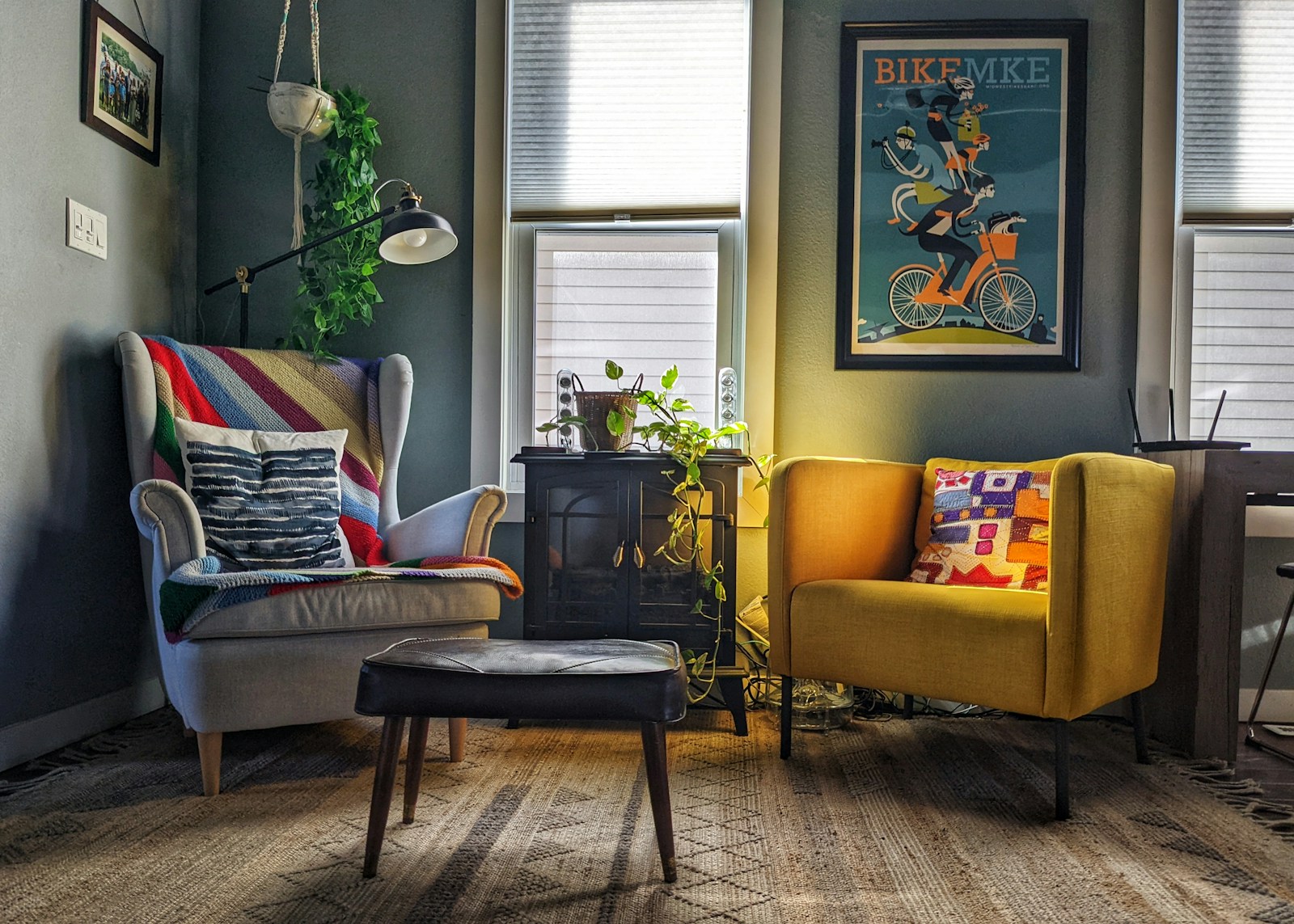
Traditional, pasted wallpaper in a bold or busy pattern can be one of the more polarizing choices a buyer encounters during a showing, and unlike paint, it’s not something most buyers want to deal with removing themselves. Older or heavily patterned wallpaper, especially in high-visibility rooms like a primary bedroom or a powder room, can make buyers immediately start calculating the time and expense of stripping it, sometimes to the point of factoring that cost into a lower offer. Removable, peel-and-stick options make this less of an issue in more recent renovations, but traditional wallpaper installed years ago, particularly in a strong pattern, remains one of the more commonly cited turn-offs during showings.
Wall-to-Wall Carpet in Dated Colors
Carpet in outdated shades, like certain colors that were popular decades ago, signals an overdue update to buyers the moment they walk in, even if the carpet itself is in decent physical condition. Beyond the color issue, worn or stained carpet in high-traffic areas raises questions about what else in the home might have been neglected. Buyers often mentally deduct the cost of replacing the flooring from their offer, sometimes overestimating that cost in the process. Sellers who replace obviously dated carpet with a neutral option, or even have hardwood floors underneath refinished if they exist, tend to see a stronger response than those who leave the decision to the new owner.
Extreme Personalization, Like Murals or Themed Rooms
A hand-painted mural, a heavily themed kid’s bedroom, or a room designed entirely around one specific hobby or interest can be a wonderful expression of personality while living there, but it makes it significantly harder for buyers to picture the space serving their own needs. Highly personalized rooms often require buyers to imagine an expensive repainting or renovation project before they can even use the space, which can make an otherwise appealing home feel like more work than a similar listing with more neutral finishes. Before listing, sellers with strongly personalized rooms are generally advised to neutralize the most extreme spaces, even temporarily, to broaden the home’s appeal.

Highly Niche, Over-Customized Kitchens
A kitchen built around one very specific cooking style or hobby, like an elaborate built-in coffee station taking up significant counter space or a highly specialized layout for a particular kind of cooking, can look impressive but may not translate to how most buyers actually want to use a kitchen. Overly customized layouts can also complicate simple, universal tasks like accessing the refrigerator or moving between the stove and sink efficiently. Buyers evaluating a home for its broad, everyday usability sometimes pass over an otherwise beautiful kitchen because its customization doesn’t fit their own habits, a mismatch that’s harder to overcome than a simple cosmetic dislike.
Ignoring Popcorn Ceilings and Dated Trim
Textured popcorn ceilings and heavy, ornate trim styles from past decades can make a home feel immediately dated, even when the rest of the house has been updated. Buyers touring a home with popcorn ceilings sometimes assume, rightly or wrongly, that other deferred updates exist throughout the house as well, since ceiling texture removal is disruptive and often gets skipped during partial renovations. While removing popcorn texture is a real project, sellers who address the most visible ceilings, particularly in main living areas, before listing often find it removes a distraction that otherwise draws attention away from the rest of the home’s updates.
Cluttered Maximalist Decor During Showings
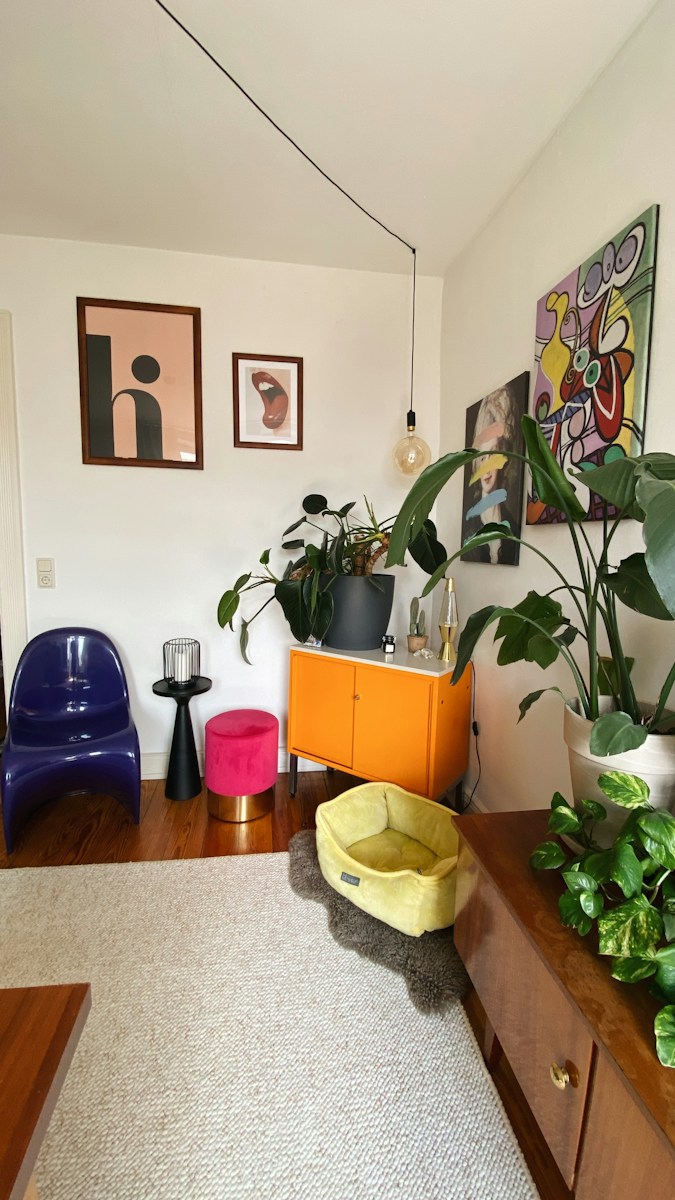
A maximalist decorating style with layered patterns, extensive collections, and dense furniture arrangements can be a genuine, well-loved personal aesthetic, but it tends to work against a seller during the listing period specifically, since it makes rooms feel smaller and busier than they actually are. Buyers have a harder time evaluating a room’s true proportions and imagining their own belongings in a space filled with someone else’s curated collections. Even sellers who love a maximalist style at home are generally advised to significantly pare back visible decor during the listing period, essentially staging a more neutral version of the home temporarily to make it easier for buyers to see the space itself rather than the decor filling it.
Outdated Brass or Gold Fixtures Throughout
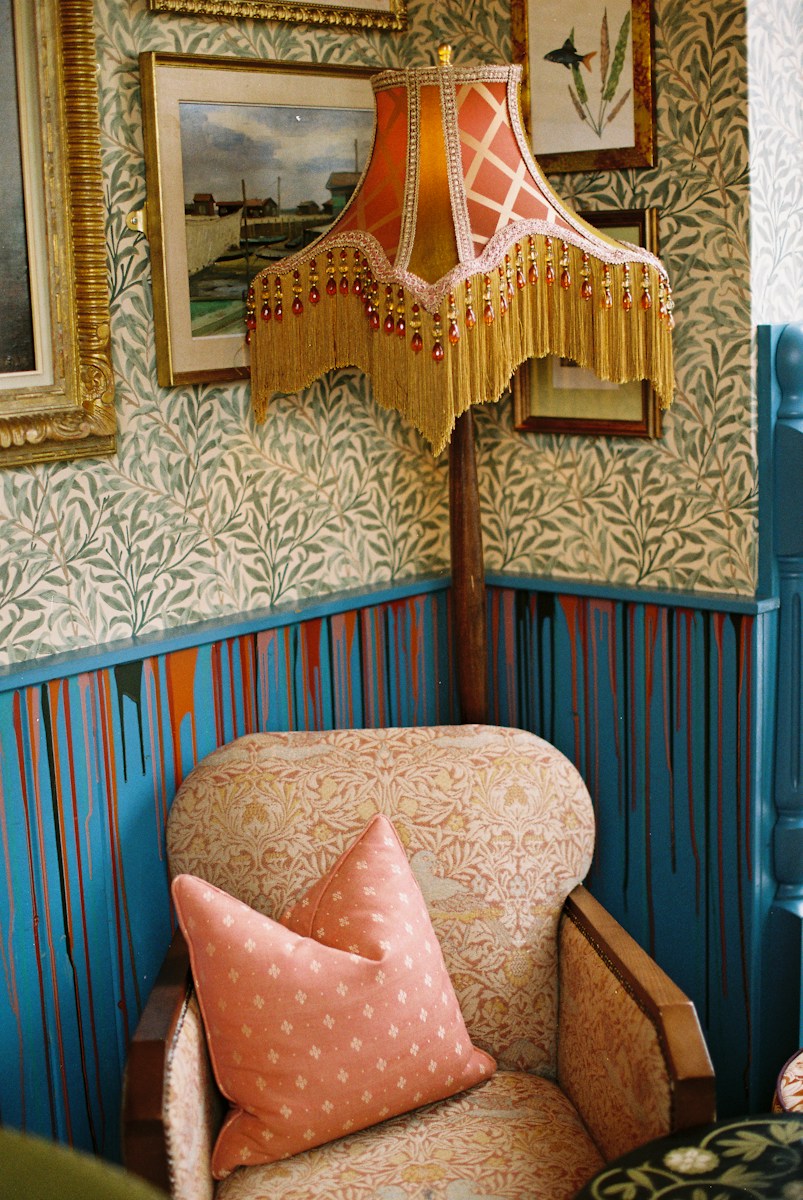
Shiny, polished brass fixtures were once a builder-grade default and later fell out of favor for years before the finish saw a partial resurgence in a more muted, unlacquered form. A home with the older, shinier style of brass hardware and fixtures throughout, left untouched since original construction, can read as dated to buyers who associate that specific finish with an older era of home design, even if the fixtures themselves are in perfectly good working condition. Updating hardware and fixtures to a more current finish is a relatively low-cost project compared to the overall value of a home sale, and it’s one of the more commonly recommended pre-listing updates for exactly this reason.
Leave a Reply