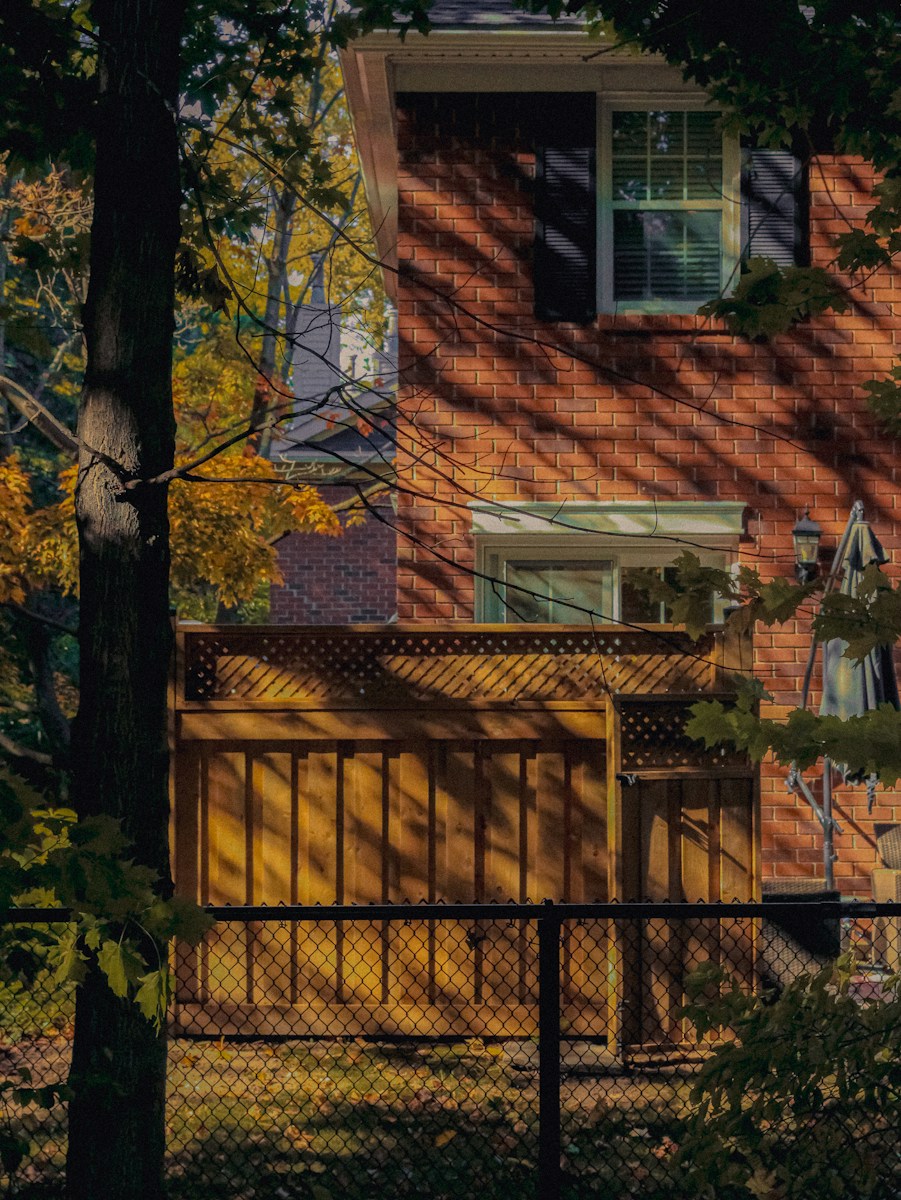
A new fence feels like a simple weekend project until you realize it touches almost every relationship you have with the outside world: your neighbor, your city, your HOA, and sometimes even the utility company buried under your yard. What looks like a straightforward line of posts and panels is actually a small legal and social negotiation, and skipping a step can turn a privacy upgrade into a years-long headache.
Before you order materials or call a contractor, it pays to slow down and check a few things that have nothing to do with style or budget. The fences that cause the fewest problems are the ones planned with a little paperwork and a little diplomacy first, not the ones that go up fastest.
Confirm Your Actual Property Line
The single most common source of fence disputes is a homeowner who builds based on where they assume the line is rather than where it actually is. Landscaping, old fences, and even neighborly handshake agreements from decades ago are not reliable markers. A professional survey, or at minimum a close read of your plat map and property deed, tells you exactly where your land ends. Building even a foot over the line can mean tearing the whole thing down later, especially if a neighbor sells and the new owner has their own survey done. It is a modest upfront cost compared to the alternative of a legal fight or a forced removal after the posts are already set in concrete.
Check Local Height and Permit Rules
Cities and counties regulate fences more than most people expect, covering everything from maximum height in front versus back yards to setback distances from sidewalks and corner lots. Some municipalities require a permit for anything over a certain height, and building without one can result in fines or a mandated teardown. Because these rules vary so much by city and even by neighborhood zoning, it is worth a quick call to your local building department before you buy materials. What is standard in one town can be a code violation a few miles away, and “the last owner built it that way” rarely holds up as a defense.
Understand Boundary Fence Cost-Sharing Laws
In many states, a fence built directly on a shared property line is legally considered a “boundary fence,” and both neighbors can be on the hook for a portion of its cost and upkeep, whether or not they wanted it in the first place. The specifics differ significantly depending on state and local law, and some places require written notice to a neighbor before assuming they will split the bill. Skipping that conversation can leave you covering the entire cost yourself, or worse, in a dispute over a fence someone else didn’t want. A quick check of your state’s specific rules can save an awkward invoice later.
Get HOA Approval First, Not Last
If your neighborhood has a homeowners association, fence rules are almost always spelled out in the governing documents, often down to approved materials, colors, and maximum height. Some HOAs require an architectural review application before a single post goes in the ground, and installing first while asking permission later is a fast way to receive a violation notice and a bill for removal. Even a fence that would be perfectly legal under city code can still run afoul of stricter HOA standards. Reading the covenants, or simply calling the management company, takes far less time than un-installing a fence the board has rejected.
Call Before You Dig
Underground utility lines, including gas, electric, water, and cable, often run closer to property lines than homeowners assume, and striking one while digging post holes can cause anything from a costly repair to a genuine safety hazard. Most areas have a free utility marking service that will come out and flag buried lines before any digging begins. It typically takes a few business days to schedule, which is exactly why it belongs at the start of fence planning rather than the day before installation. Skipping this step is one of the more expensive shortcuts a homeowner can take.
Know Which Side Faces the Neighbor
Most fence styles have a “good side” with a smooth, finished look and a “bad side” showing the structural rails and posts. Convention in many areas is to install the fence with the finished side facing outward toward the neighbor or the street, keeping the less attractive structural side on your own property. Skipping this small courtesy is a surprisingly common source of neighborly resentment, especially when a fence runs the length of a shared yard. It costs nothing extra to orient the fence this way during installation, but it can be a real hassle to flip panels afterward.
Watch Out for Easements
An easement grants someone else, often a utility company or a neighbor, a legal right to use part of your property for a specific purpose, and it can restrict where you are allowed to build permanent structures, fences included. These are usually documented in your property’s title report or survey, and they do not disappear just because nothing is currently built there. A fence built across an active easement can be ordered removed at the owner’s expense if it ever blocks access the easement holder needs. Checking your title documents before construction is a far cheaper step than finding out the hard way.

Talk to Your Neighbor Before You Build
Even when a fence is entirely within your rights, a quick heads-up conversation before construction begins can prevent months of tension. Neighbors are far more likely to raise concerns calmly beforehand than after materials are already delivered and posts are set. This is especially true for taller privacy fences that will change someone’s view or shade their garden. A five-minute conversation costs nothing and often surfaces a shared preference on style or height that makes the finished fence look better for both properties.
Pick Materials for the Long Haul, Not Just the Install Day
Wood is often the cheapest option upfront but demands the most ongoing maintenance, from staining to warping repairs, while vinyl and metal cost more initially but require far less upkeep over a decade or more. Chain link is inexpensive and durable but offers little privacy and can read as less finished in front yards, which matters if resale value or curb appeal is a priority. Thinking through how the fence will look and function five or ten years from now, not just on installation day, prevents a second, more expensive fence project down the road. The right material often depends less on style preference and more on how much maintenance a homeowner is realistically willing to do.
Leave a Reply