
Every home search comes down to the same short list: location, price, square footage, and — whether anyone says it out loud or not — who’s living on the other side of the fence. You can renovate a kitchen and negotiate a closing cost, but you can’t negotiate your neighbor’s personality, their hobbies, or their tolerance for confrontation. That’s the gamble every buyer makes, and it’s why so many “perfect house” stories quietly end in a for-sale sign a few years later.
Most neighbor friction starts small: a fence line, a barking dog, a late-night party. But a surprising number of ordinary-sounding behaviors can snowball into full-blown feuds, property disputes, or a reason to start browsing listings again. Here are nine neighbor moves that have the power to turn a peaceful street into a daily headache.
Treating the Property Line Like a Suggestion
Nothing curdles a friendly wave into a cold silence faster than a fence, shed, or driveway extension that creeps a few feet onto the wrong lot. It usually starts innocently — someone eyeballs the boundary instead of pulling a survey — but once a structure is built, moving it becomes an expensive, emotional ordeal. In many states, letting an encroachment sit unchallenged for years can even affect future property rights, which is part of why real estate attorneys push so hard for a fresh survey before closing. What began as a two-foot dispute over shrubs can spiral into a genuine legal standoff, with both households refusing to budge, sometimes literally, over a strip of grass neither one really needed.

Turning the Yard Into an Unofficial Junkyard
One overflowing recycling bin is forgivable. A permanent collection of broken appliances, rusting car parts, and tarp-covered “projects” is a different story. Beyond the eyesore, an unkempt yard can genuinely drag down how buyers perceive the whole block, since curb appeal is judged street by street, not lot by lot. It also tends to attract pests, hold standing water, and create fire hazards that make insurers nervous. Neighbors who bring it up politely often get met with defensiveness, and the ones who escalate to code enforcement usually end up in a slow-moving bureaucratic process that outlasts everyone’s patience, all while the pile keeps growing in plain view every single day.
Letting Noise Become a Lifestyle
Every neighborhood absorbs a normal amount of noise — lawnmowers, kids, the occasional party. The nightmare version is the neighbor whose subwoofer, revving motorcycle, or 6 a.m. leaf blower becomes a daily fixture. Most cities have local noise ordinances that set quiet hours and decibel limits, but enforcement usually depends on someone calling it in every single time, which turns victims into de facto watchdogs of their own street. The exhausting part isn’t any one loud night; it’s the accumulation of interrupted sleep, canceled plans, and the creeping resentment that builds when you start dreading the sound of their garage door opening.
Weaponizing Home Surveillance
Video doorbells and yard cameras are everywhere now, and most of the time they’re just for package theft. But some neighbors angle their cameras to capture a rival’s porch, windows, or backyard, turning ordinary surveillance into something that feels a lot more personal. The legal picture is genuinely murky: courts have generally found that cameras aimed at areas visible from the street or a shared line of sight are usually permitted, even if it feels invasive, while cameras that peer into truly private spaces can cross into legal trouble. Either way, the psychological effect is the same: you start feeling watched in your own backyard, and that discomfort rarely fades once you know the lens is there.
Letting Pets Run the Neighborhood
A dog that’s occasionally off-leash is a minor annoyance. A dog that’s allowed to roam, dig up flower beds, or corner the mail carrier is a recurring source of dread. Add in unpicked waste tracked across shared walkways or a chorus of barking that starts before sunrise, and you’ve got a neighbor whose pet ownership habits become everyone else’s problem. What makes this one especially frustrating is the whiplash between conversations: the owner apologizes, promises it won’t happen again, and then nothing changes, leaving everyone else to either confront them repeatedly or just quietly avoid the yard altogether.
Letting Trees and Branches Do the Talking
A tree doesn’t know where a property line is, and that’s exactly the problem. Overhanging branches, invasive roots cracking a driveway, or a dead tree leaning toward a neighbor’s roof are some of the most common sources of neighbor conflict, largely because the rules are messier than people expect. In general, a landowner can typically trim branches or roots that cross onto their property, but responsibility for damage often depends on whether the tree was healthy or already known to be hazardous, which varies by state. Add a storm and a fallen limb into the mix, and a quiet disagreement about pruning can turn into an insurance claim nobody wants to file.
Building a Fence Purely to Make a Point
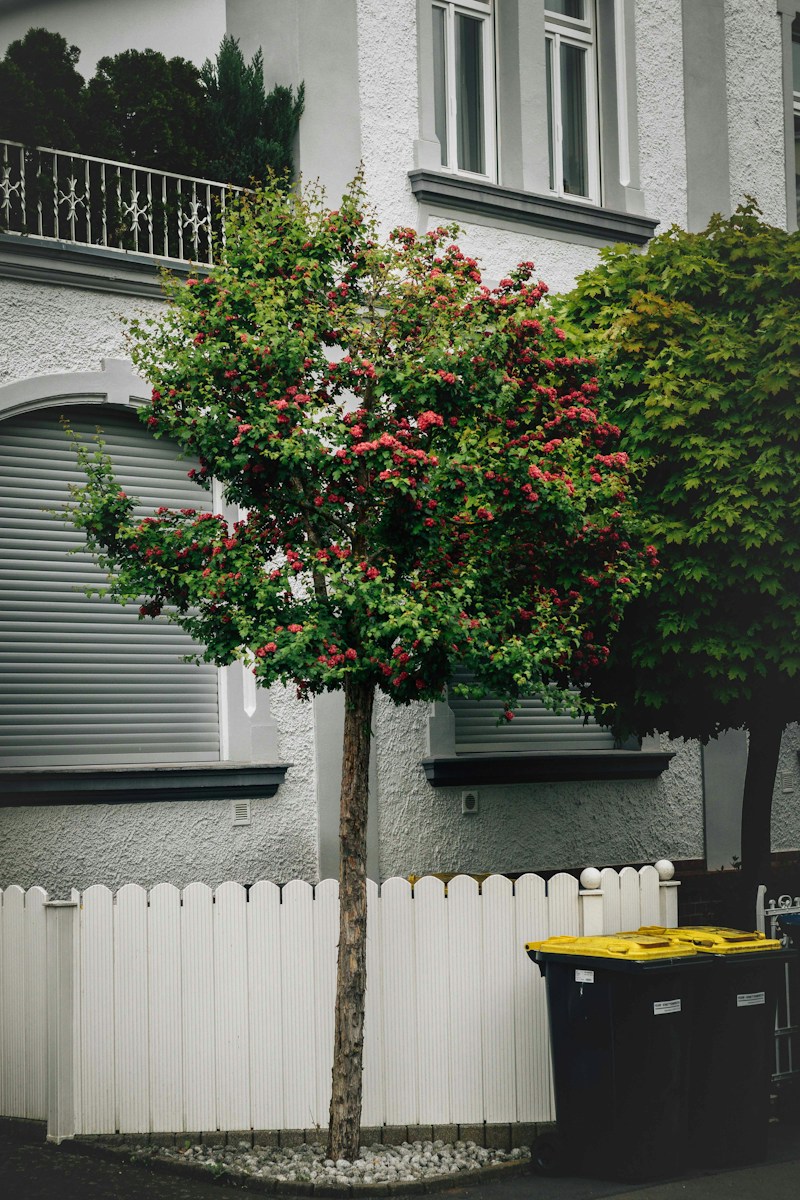
Most fences go up for privacy or pets. Some go up for spite — deliberately tall, deliberately ugly, positioned specifically to block a neighbor’s view or sunlight after some unrelated falling-out. These are sometimes literally called “spite fences” in legal circles, and some states have laws specifically addressing structures built mainly to annoy a neighbor rather than serve a real purpose. Proving intent is notoriously difficult, though, so most people just end up living with a wall of ugly lumber staring back at them, a permanent monument to a dispute that started over something much smaller.
Running a Business Nobody Signed Up For
Working from home is one thing. Running a home-based business with constant client traffic, delivery trucks, or a garage workshop that sounds like a small factory is another. Depending on local zoning, this can be entirely legal, technically illegal, or somewhere in the gray area that only gets resolved after enough complaints pile up. The frustration compounds because it’s rarely a single event — it’s the daily parade of unfamiliar cars, the extra noise during hours that used to be quiet, and the sense that a residential street has quietly turned into a commercial one without anyone getting a vote.
Getting Chronically, Aggressively Nosy
Every street has someone who notices things. The nightmare version doesn’t just notice — they comment, question, and monitor with unsettling consistency. Tracking your comings and goings, interrogating guests, or reporting every minor infraction to the HOA turns ordinary life into something that feels constantly supervised. It rarely escalates into anything dramatic on its own, which is almost the point: it’s a slow drip of discomfort rather than one big blowup, the kind of neighbor relationship that never gets bad enough to justify moving but never feels comfortable enough to relax into, either.
Leave a Reply