
In a tale that’s raising eyebrows and stirring hearts, a pregnant woman recounts her uncomfortable experiences with her mother-in-law during a visit that was meant to be supportive. The poster’s excitement about her mother-in-law coming to help after the birth of her child quickly turned to anxiety as her MIL’s behavior crossed personal boundaries, leaving her questioning whether she was overreacting or if her feelings were entirely justified.
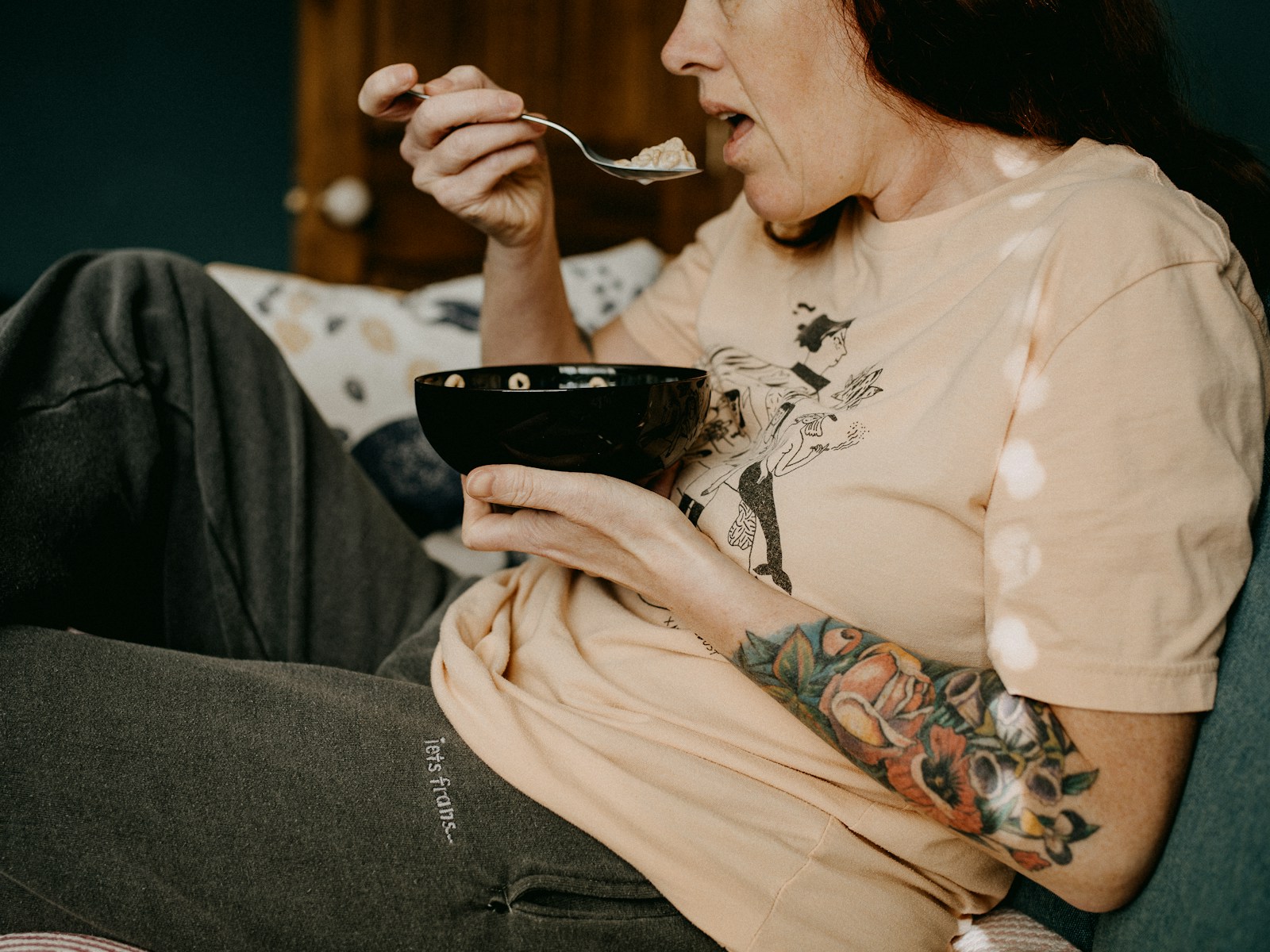
The story begins with the poster, who was looking forward to her mother-in-law visiting from another country after the arrival of her baby. She even went the extra mile to prepare a guest room for this anticipated visit. However, things took a turn for the worse shortly after her MIL arrived. The first red flag appeared when the mother-in-law started making frequent comments about the poster’s eating habits while she was still pregnant. Remarking on her snacks with quips such as, “Oh, you’re eating? I thought we were having dinner in an hour,” the MIL’s “jokes” began to wear on the poster’s self-esteem.
But the snide remarks didn’t stop at food. The MIL seemed to take issue with the poster’s husband helping her around the house during this physically demanding time. Every time he ran errands or helped out, the mother-in-law would chime in with remarks like, “are you a liberal?” or “Geez, he never gets to rest,” rendered in what was presumably a joking tone but felt dismissive to the poster. The discomfort amplified during a shopping trip where, in a clear display of favoritism, the MIL encouraged her son to use her credit card for his purchases while she swiftly retreated to the store exit when it was time to pay for items for the poster.
Matters only escalated when the poster was unexpectedly hospitalized during her pregnancy due to concerns over her baby’s health. Despite needing support, the mother-in-law did not offer to wash any of the poster’s laundry—claiming ignorance about laundering preferences. After the birth, while settling into postpartum life, the poster requested simple assistance in the kitchen. To her astonishment, the MIL’s response was yet another dismissal: “I don’t know how you like them. I wouldn’t want to mess it up.”
However, the most unusual aspect of this story lies in the physical dynamics between the mother-in-law and her son. The poster expressed discomfort with how her MIL would cuddle her husband on the couch, resting her head on him and even draping her legs over him while they were all together. To add to the peculiarity, she frequently referred to her son as “babe,” a term that seemed far removed from the norms of a typical adult mother-son relationship. These interactions raised the poster’s concerns regarding boundaries and appropriate behavior, leaving her feeling alienated in her own home.
As the poster grappled with the emotional fallout from these experiences, she sought the perspective of others, wondering if perhaps she was overly sensitive. Some readers echoed her feelings, highlighting how the comments about her eating and her husband’s assistance felt not only insulting but indicative of a deeper issue within the mother-in-law’s perspective on her role. Others expressed disbelief at the physical affection displayed, suggesting it crossed boundaries that would typically be reserved for a romantic relationship, not one between a parent and adult child.
While feedback varied, the overwhelming sentiment held a focus on the appropriateness of the MIL’s behavior. Many shared anecdotes of navigating tricky family dynamics, emphasizing that familial affection is healthy but should never infringe on the boundaries of personal relationships. The oddity of a mother cuddling with her adult son, particularly when a wife is present, seemed to be a sticking point in the conversation.
This intriguing family saga leaves many questions lingering in the air, with the poster feeling isolated in her discomfort. As she navigates the complexities of being a new mother while juggling her feelings about her MIL’s actions, the situation remains unresolved, tantalizingly caught in the delicate interplay of love, boundaries, and familial roles.
More from Willow and Hearth:
Leave a Reply