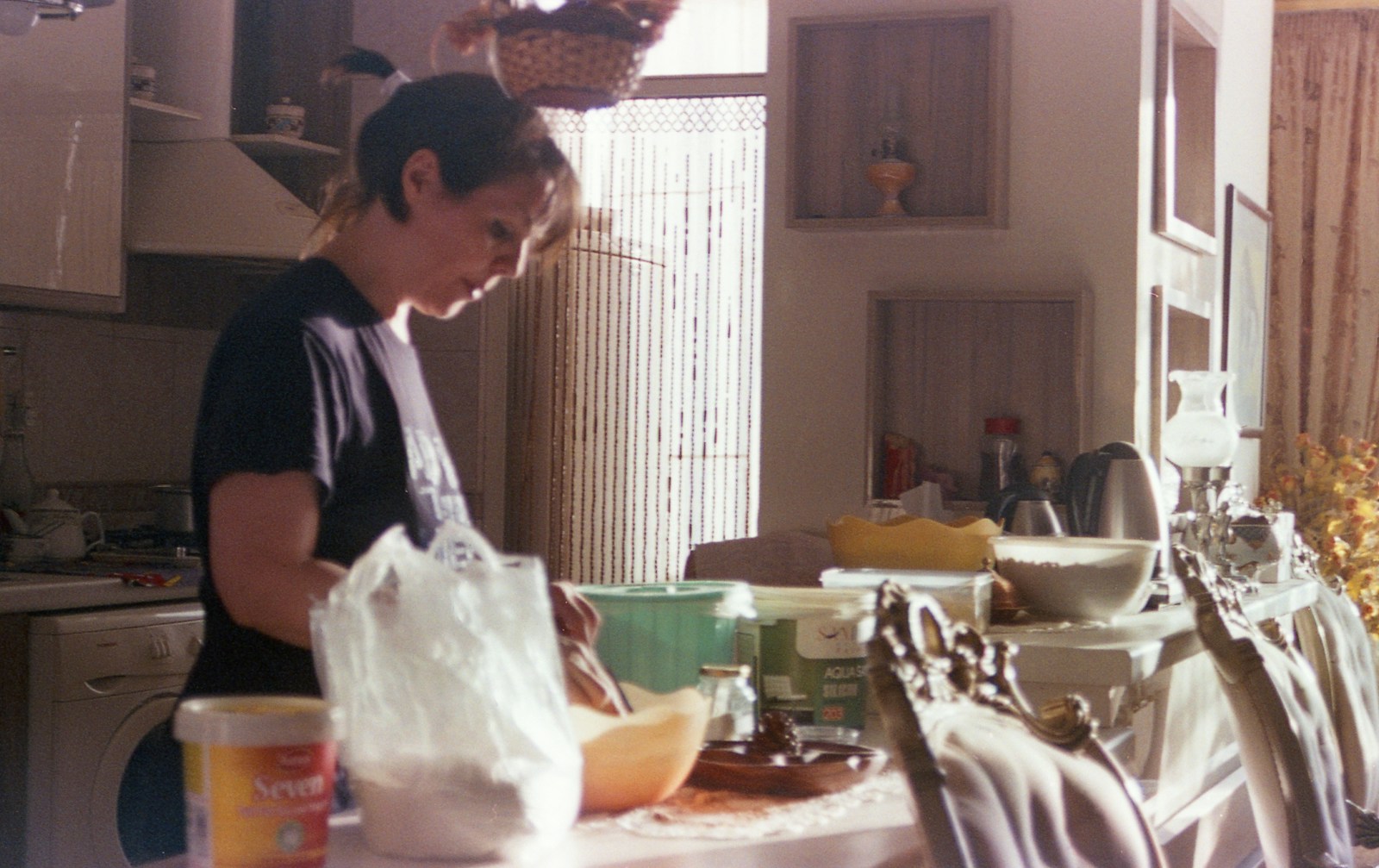
The dilemma for one tenant living in a multi-tenant house has turned into an increasingly frustrating saga. While she prides herself on being a conscientious housemate, her landlady has taken to blaming her for kitchen messes and even attributed her recent illness to neglected cleaning duties. In an environment where communication seems to have broken down, this tenant finds herself fighting not only for her reputation but also for a fair share of responsibility.
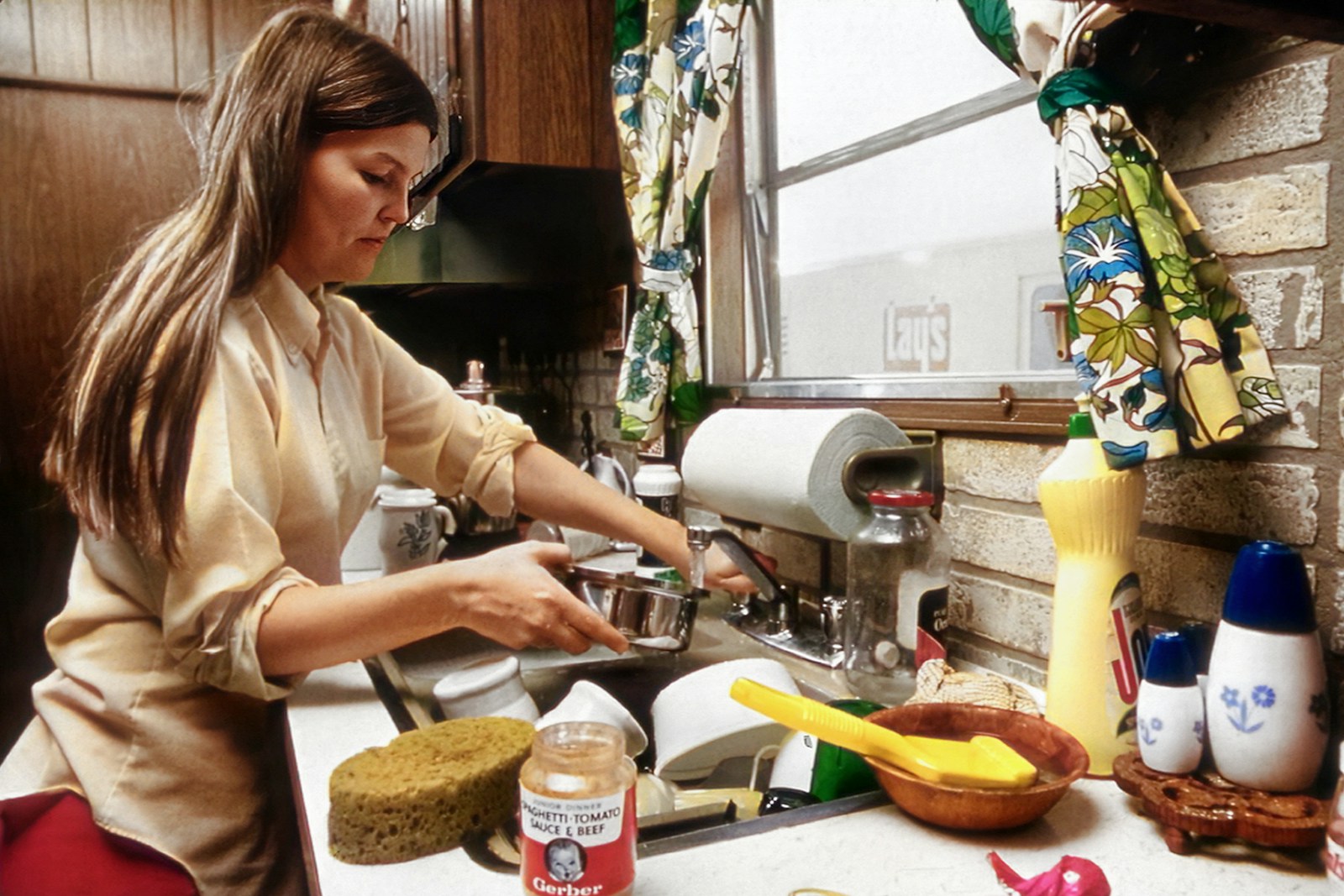
Initially, the tenant moved into a spacious home, which boasted two kitchens—one for the homeowners and the other for the tenants. As the first tenant, she was dedicated to keeping her living space tidy, cleaning up immediately after using the kitchen. However, her commitment to cleanliness became complicated when three other girls arrived, prompting the landlady to implement a rotating deep cleaning schedule. Each tenant was assigned duties that included scrubbing down the kitchen and mopping the upstairs living area once a month. The tenant took this responsibility seriously, particularly when her cleaning day came up, and she meticulously scrubbed the microwave until it sparkled.
Despite her diligent efforts, the landlady soon accused her of neglecting the microwave, citing it as “filthy” and filled with remnants of chicken curry. The tenant was taken aback, insisting, “I didn’t do this. I cleaned it perfectly this morning.” But her claims fell on deaf ears. Following that incident, the tenant took it upon herself to check the microwave whenever she returned home from work or university, discovering that the remnants of curry had baked into the walls and the microwave was once again a target for blame.
The situation escalated when the tenant found herself cornered by the landlady once more, who was now upset about the kitchen sink. During her inspections, the landlady would berate the tenants for food scraps left in the sink, warning them about the health risks of improper cleaning. In an effort to defend herself, the tenant began documenting the state of the kitchen with photographs, capturing the mess left by her roommates. One particularly telling image showed the kitchen sink dirty again just 24 hours after she had done a thorough cleaning following a week away.
Things took an unexpectedly personal turn when the tenant caught the flu, a particularly severe strain that had been making its rounds in Australia. After taking a week off work and recuperating at her aunt’s house, she returned to find the landlady waiting to deliver yet another lecture about the state of the kitchen. Shockingly, the landlady suggested that the dirty sink was responsible for the tenant’s illness. “How on earth do rice scraps, tomatoes, and onions in a sink drain give someone flu and nausea?” the tenant thought in disbelief, yet her attempts to reason with the landlady went unanswered.
As tensions reached a boiling point, the tenant expressed her frustration, pointing out that she was being unfairly singled out for the messes created by her roommates. Despite presenting her photographic evidence, the landlady remained unwavering, insisting that the tenant share in the accountability for the kitchen’s cleanliness. The tenant’s anger was directed not only at her housemates, who apparently didn’t care for their shared space, but also at the landlady’s refusal to acknowledge the reality of the situation.
Reactions from readers inclined to weigh in on this household drama ranged from empathy to practical criticisms. Many acknowledged the tenant’s diligent efforts while expressing frustration with the landlady’s blatant ignorance to the real issues at play. Some suggested that the tenant might consider addressing the roommates directly about the cleanliness of the common areas, while others believed that a more formal complaint against the landlady could be warranted. A few readers even humorously noted how absurd it was to suggest that common kitchen scraps could cause a flu virus.
As frustrated as she is, the tenant finds herself at a crossroads, weighing her options in a living situation that seems increasingly untenable. The struggle for respect and fairness in shared spaces is turning into a weary battle, leaving her to wonder how the mess created by others could linger without accountability. What remains unanswered is how she will navigate this turmoil, with both her health and her reputation hanging in the balance.
More from Willow and Hearth:
Leave a Reply