A seemingly ordinary evening took a frightening turn for one individual when they experienced near-fainting symptoms shortly before bedtime. After checking their blood pressure, the result was alarming: 72/41. The poster’s decision to simply go to bed, despite the concerning reading, left many scratching their heads and questioning just how concerned one should be about such alarming health indicators.
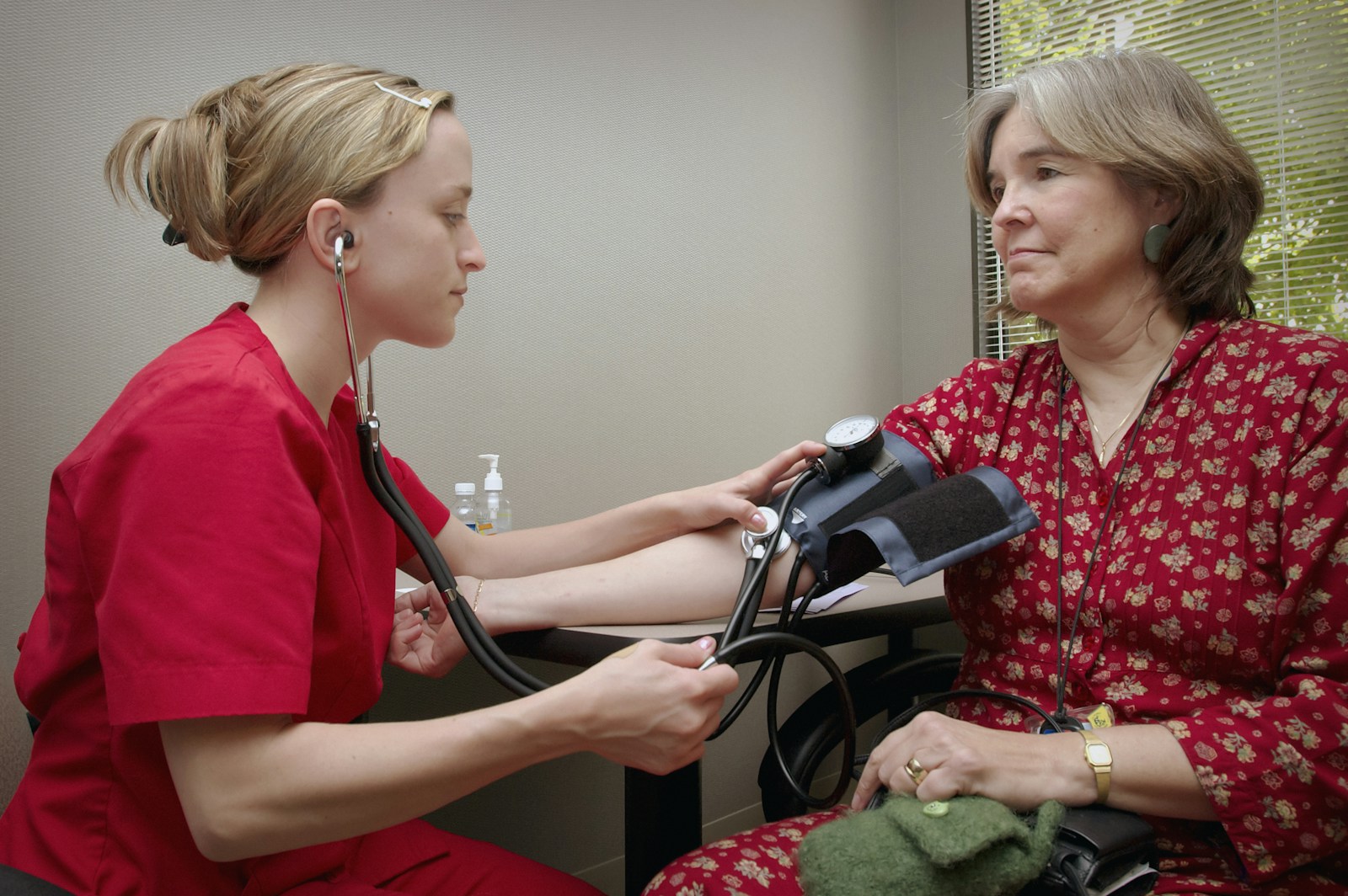
The events unfolded on a night like any other. The poster was feeling a bit off, experiencing sensations that could only be described as faintness. Taking the precautionary step of measuring their blood pressure, they hoped to find a manageable result. Instead, they encountered a shocking figure that would send anyone into panic mode: a reading of 72/41, an unusually low blood pressure that can lead to dizziness or fainting.
In a harrowing moment, the poster initially thought the reading was an error, perhaps due to the device malfunctioning. They quickly retested their blood pressure, only to find it confirmed the first dreadful reading. However, after regaining their bearings, the poster reached a perplexing conclusion. Instead of seeking immediate help or monitoring their symptoms further, they decided to head to bed, writing off the situation as “wtv,” or whatever. This nonchalant attitude towards such a serious health concern struck many as unfathomable.
As the story circulated, readers couldn’t help but react. Some expressed astonishment at the poster’s laid-back response to a reading typically associated with severe medical events. Others speculated on whether this was a case of someone downplaying their health issues or whether it indicated a deeper, perhaps chronic, condition that might have led the poster to be desensitized to alarming symptoms. Most were left wondering why one wouldn’t seek help for a situation that could turn dire.
The poster’s casual handling of what most would consider a medical emergency ignited flashbacks for some commenters who recounted their own experiences with low blood pressure. They shared stories of dizziness and fainting, recalling how such moments were often accompanied by a rush to a doctor’s office or at least a phone call to someone concerned about their well-being. A few commenters highlighted the importance of listening to one’s body, questioning how someone could brush off a red flag like that.
In a digital space where health discussions often involve alarm and urgency, the responses varied from supportive to bewildered. Many readers were united in their concern, expressing a collective disbelief over the decision to go to bed without further investigation. “How could you just go to sleep?” one commenter wrote, reflecting the sentiment that resonated through the threads. Others suggested that a follow-up visit to a healthcare provider was essential, echoing the warning bells that had been set off by the poster’s readings.
As the night wore on, the poster’s story remained a topic of conversation that resonated with many—how one moment can alter the course of a night, or even one’s health. The decision to dismiss such significant warning signs left an interesting gap in the discussion about personal health awareness and the reactionary steps one should take in the face of alarming symptoms. Ultimately, the casual attitude toward a serious condition reminded readers of the unpredictable nature of health and the sometimes daunting decisions that come with it.
More from Willow and Hearth:
Leave a Reply