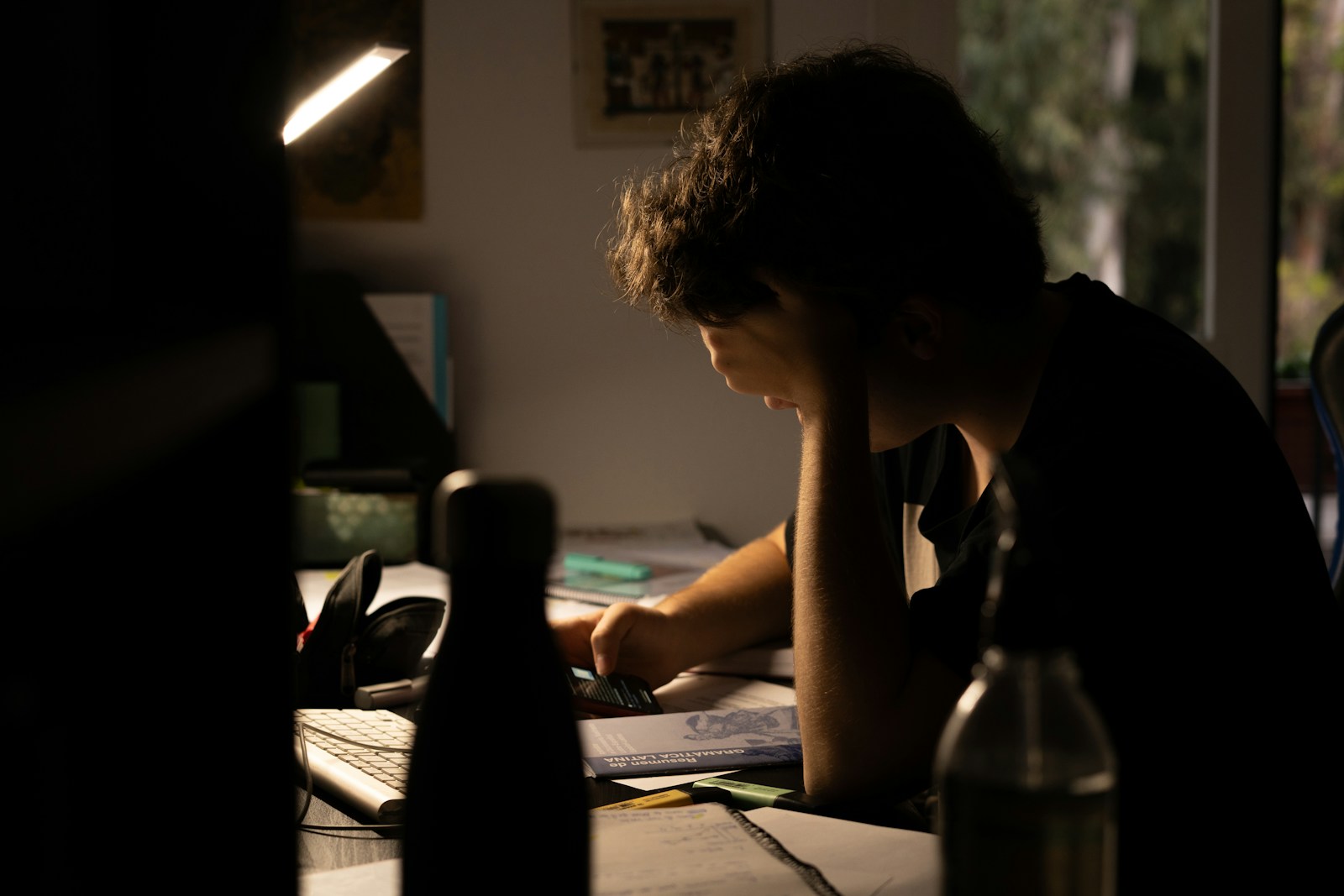
A teenager’s struggle with hand cramps turned into a battle of wills with his grandmother, leading to a dramatic demonstration of the challenges he faces with writing. The young man, 16 years old and identified as non-binary, has been dealing with painful hand cramps for 4-5 years, making handwriting a major obstacle in his studies. Instead of understanding the physical limitations, his grandmother, whom he refers to as G, insisted he write by hand, ultimately leading to a painfully slow and frustrating showdown.
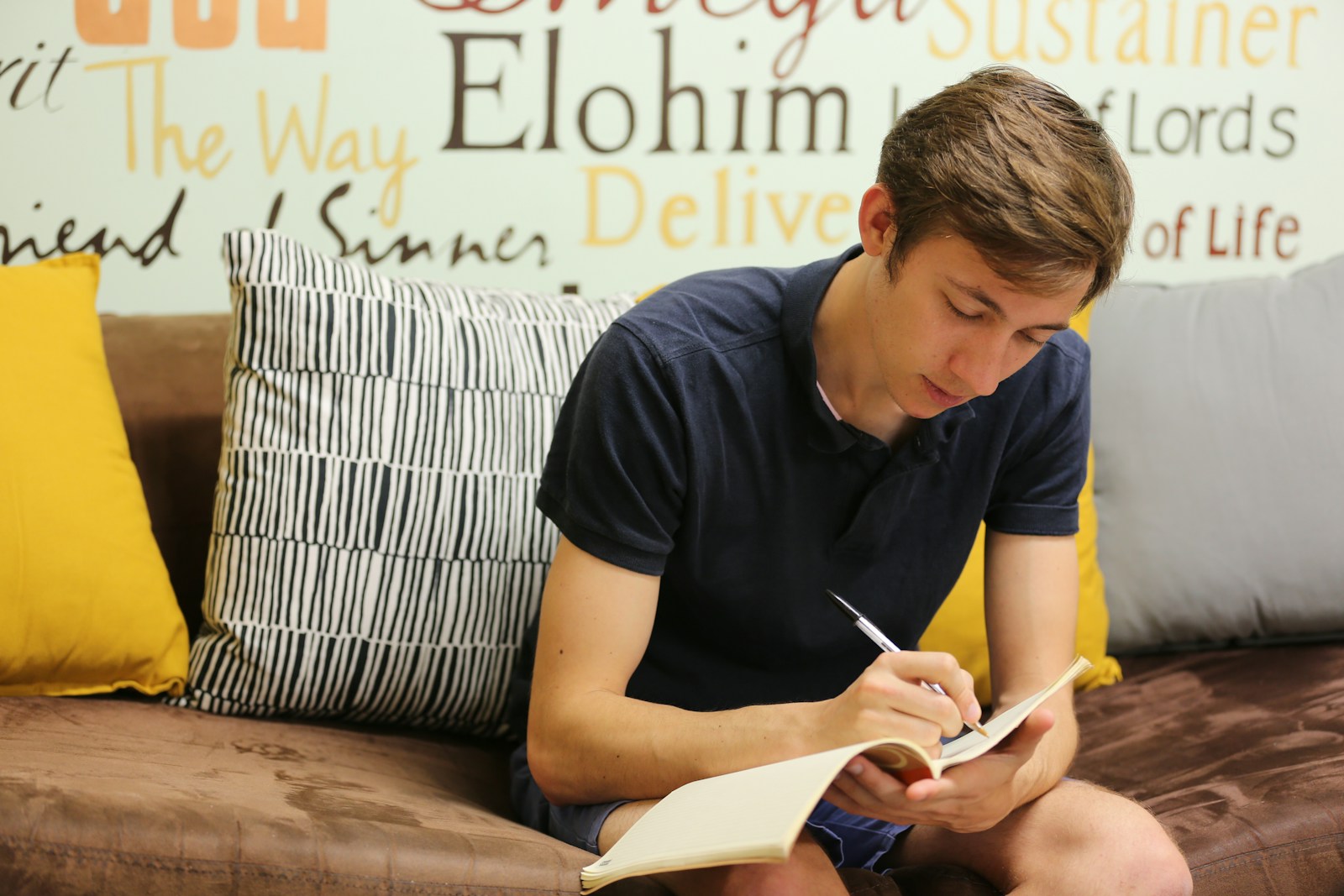
The story unfolds in the teenager’s home, where he has established a study routine that suits his needs. Typically, he begins his work at 9 AM and finishes around 7 or 8 PM. Due to his condition, he finds typing on a laptop to be a more effective way to complete his assignments. However, G consistently criticized him for being too slow and suggested that he would work faster if he wrote by hand. This misconception led to a significant clash when G determined that he would not be typing an English transactional writing piece, but instead would put pen to paper.
On the day of the confrontation, G took the laptop away and placed lined paper in front of him, setting a timer for 50 minutes. Despite knowing that he would struggle, the teenager complied with her demands. He began writing quickly, but it wasn’t long before the telltale cramps began to seize his hand. “Just get on with it and stop being a hypochondriac,” G reportedly told him, dismissing his cries of discomfort. The young man pushed through the pain, attempting to complete the assignment, but after just two minutes, he was incapacitated by severe cramping that left his fingers immobile.
Throughout the 50 minutes, the young man endured the painful spasms multiple times, eventually managing to write a single paragraph with only eight lines and around 130 words. G was visibly displeased by the outcome and accused him of deliberately going slow to frustrate her. After this painful demonstration of his limits, he finally explained his condition once more, and only then did G relent, allowing him to return to his laptop. With the timer still running, he quickly produced three paragraphs and a conclusion, showcasing his typing skills and ability to work despite the previous challenges.
Response to the situation was multifaceted as readers absorbed the details. Many were supportive of the teenager’s perseverance, empathizing with the physical limitations he faced. Comments ranged from acknowledging the pain of the writing process to lamenting G’s lack of understanding and support. Some readers expressed frustration that such an avoidable conflict had occurred at all, showcasing the generational gap in understanding the challenges faced by young people today.
Others highlighted the need for better communication within families, suggesting that G might not realize the extent of her grandchild’s struggles. However, as the teenager shared, the culminating moment of being allowed to type on the laptop underscored a deeper misunderstanding that can exist between different generations. Rather than validating his experiences, G’s insistence on handwriting had only escalated the situation, turning what could have been a supportive moment into emotional turmoil.
This story resonates not only with those who have endured similar conflicts at home but also with anyone who has faced misunderstanding about their own challenges. It serves as a reminder that sometimes, the most straightforward solutions — like simply allowing someone to work in a way that accommodates their needs — can take a backseat to stubbornness and miscommunication.
More from Willow and Hearth:
Leave a Reply