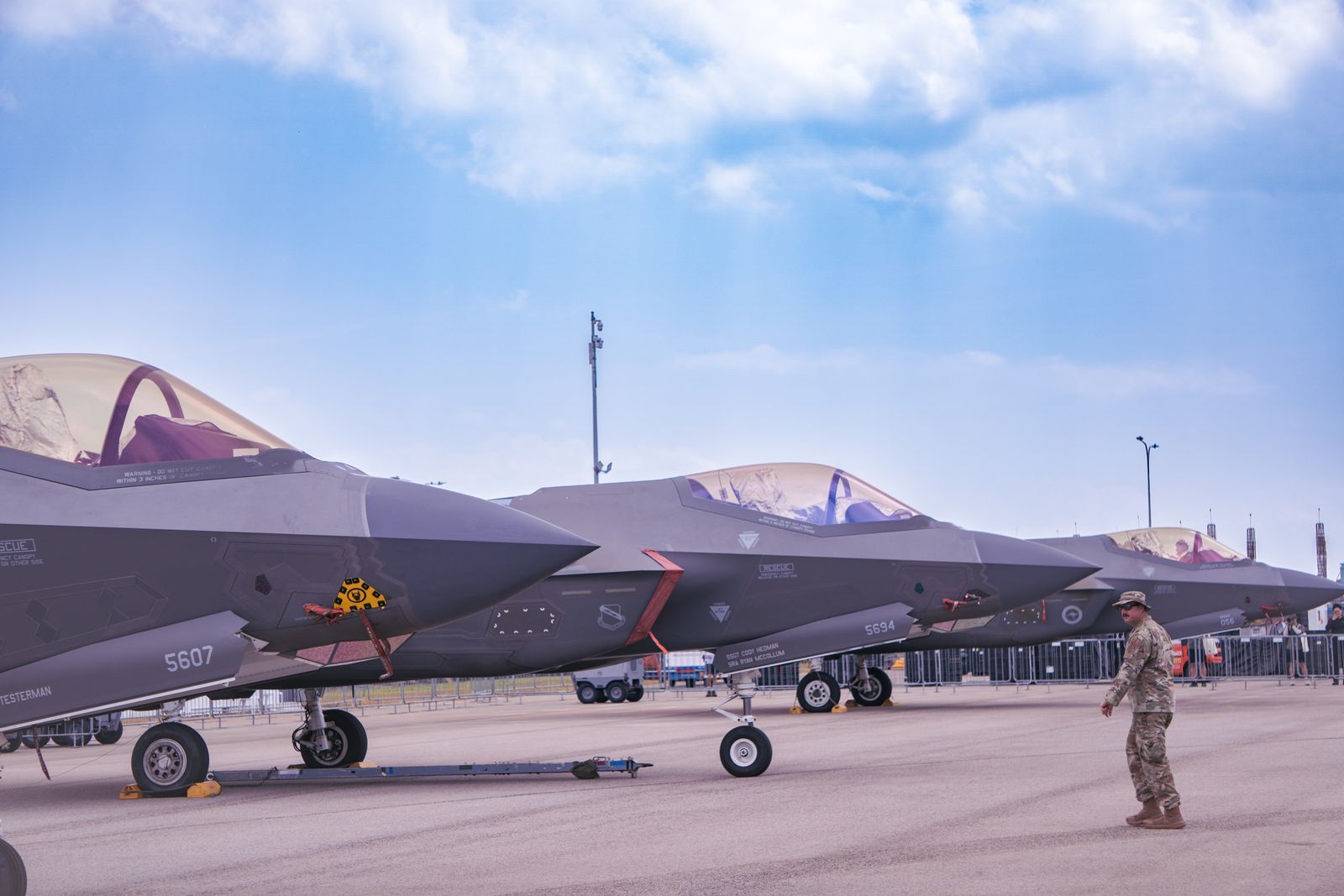
In a twist of military compliance and unexpected chaos, personnel at a Spanish air base turned an early morning wake-up call into an explosive display of “malicious compliance.” The incident unfolded during an international air force exercise, where two fighter jets ignited engines to burn off fuel, sending a cloud of dirt and debris into the air and awakening the base commander in the process.
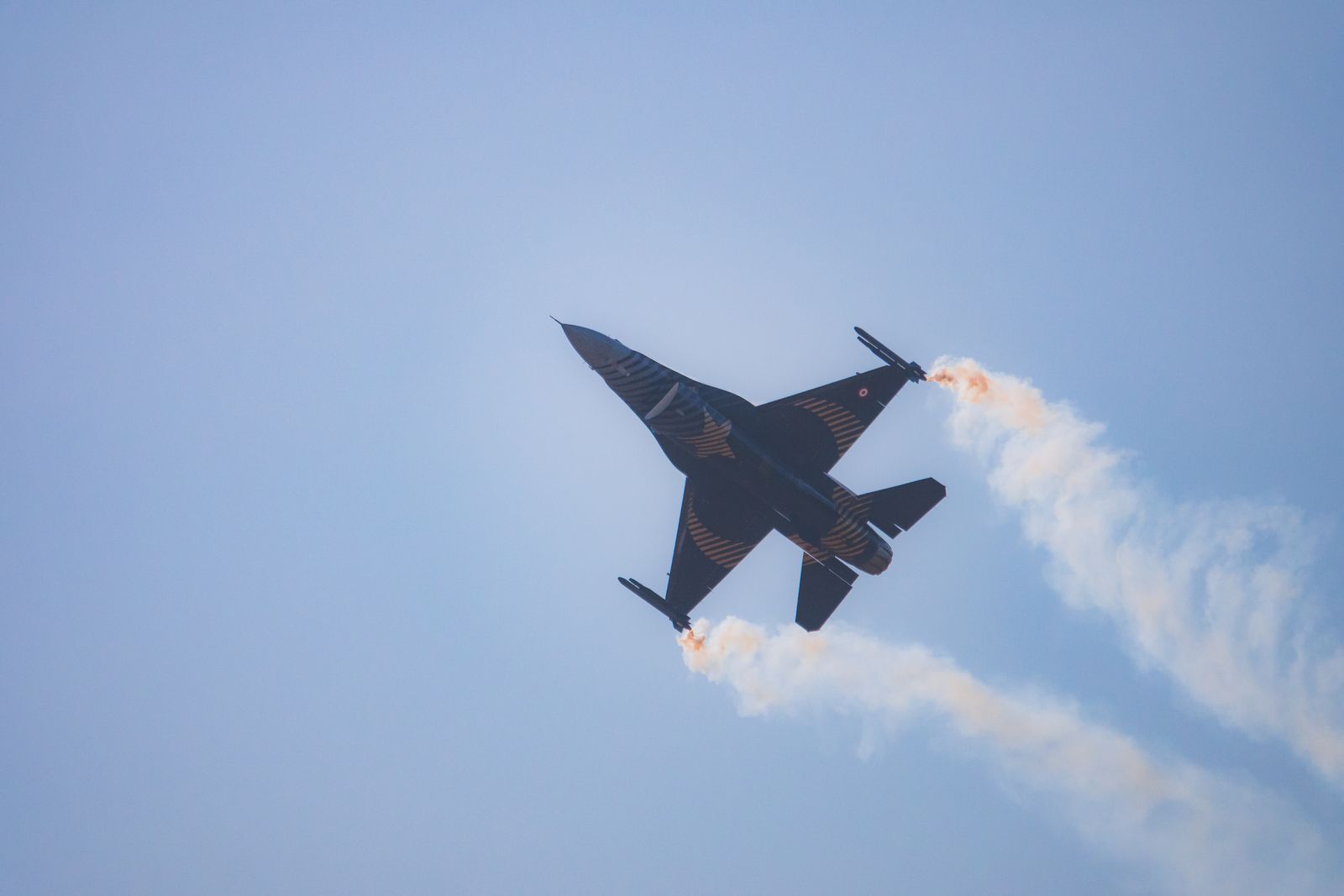
The backdrop of this unusual event was a sprawling air force exercise involving multiple nations training together at the Spanish base. With a contingent of about 20 fighter jets and 200 personnel, the exercise required precise logistical planning. Prior to the event, a delegation performed a site survey, verifying procedures for everything from aircraft parking to refueling protocols. Defueling jets post-flight was a standard practice, discussed and agreed upon during these planning meetings.
However, when an electrical fault was discovered in an external fuel tank, the previously smooth operations encountered a snag. Normally, replacing the faulty tank would take around 20 to 30 minutes. But when the team requested the defueling truck to safely remove the fuel, they were met with an unexpected roadblock. The Spanish staff informed them that a fuel sample was required for laboratory analysis before defueling could proceed—a process that could take days. With exercises to conduct and pilots relying on the functionality of the aircraft, the situation was dire.
Frustrated, the team voiced their concerns, only to receive a snarky retort: “Then just burn the fuel if it’s that important.” That dismissal ignited a spark of inspiration among the team. The next morning at 5:30 a.m., long before the official exercise schedule began, the personnel sprang into action. With the sun barely grazing the horizon, the airfield lay shrouded in a light haze, tranquil and quiet.
But soon, chaos erupted. As two jet engines roared to life, the sheer thrust caused asphalt to dry instantly beneath the aircraft. Dust, dirt, and debris were propelled into the air, forming an impressive cloud that drifted into an open Spanish Air Force shelter. In merely 25 minutes, the crew managed to burn through 1,700 kilograms of jet fuel, achieving their goal while inadvertently causing quite the ruckus.
Shortly after completing the fuel burn, the external tank was replaced, and by 7:00 a.m., the aircraft was declared mission capable again. However, the early morning explosion of activity was not without consequences. Within hours, the Spanish base commander was roused from sleep and summoned to address the commotion, leading to an awkward encounter with the commanding officer of the visiting contingent. Spanish personnel spent two hours cleaning up the debris that had infiltrated their shelter, an unintended consequence of the team’s determination to circumvent delays.
As the dust settled, a significant shift in protocol emerged. The Spanish team agreed to allow the visiting contingent to use the defueling truck without the prior fuel sampling that had previously caused such frustration. Meanwhile, the liaison officer who had jokingly suggested burning the fuel was later seen in a serious meeting with the base commander—a clear indication that not all ramifications of the morning’s antics were settled.
Reader reactions to the incident focused on the absurdity and humor that the situation embodied. Many appreciated the team’s ingenuity in tackling a bureaucratic obstacle with unorthodox methods. Responses ranged from admiration for the audacity of the act to disbelief at the inefficiencies of military protocol. Some could not stop chuckling at the image of a base commander awakened by a dust storm caused by fighter jets, while others speculated on the longer-term implications for international military cooperation and communication on such exercises.
This extraordinary episode at the Spanish air base stands out as a reminder of the unique challenges faced in high-stakes environments, where protocol can sometimes clash with practical realities. The memories of jet engines roaring and dirt flying may fade, but the story of that morning will likely linger in the minds of all involved, especially the commander who was pulled from his slumber to witness the aftermath.
More from Willow and Hearth:
Leave a Reply