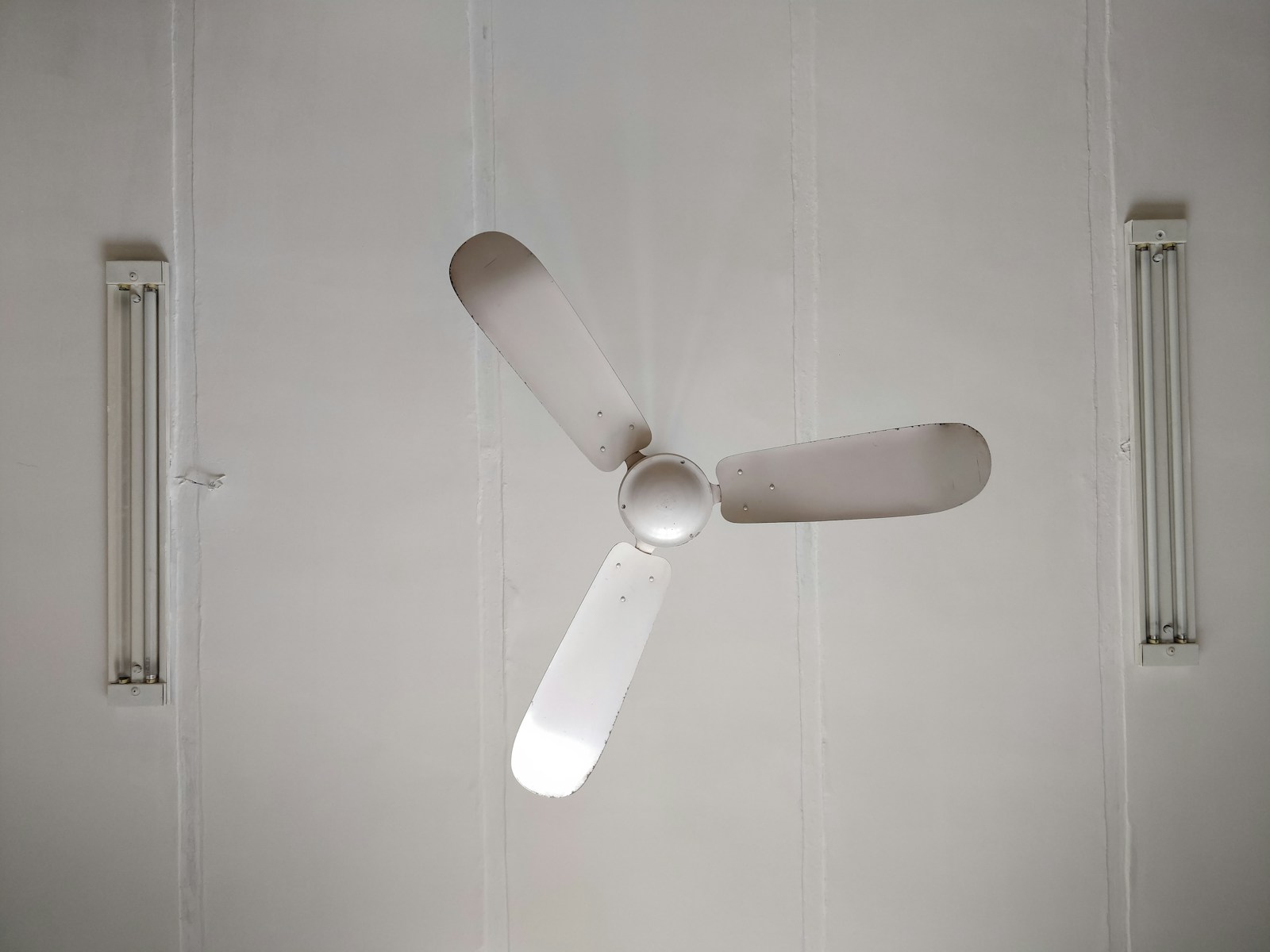
About 9,460 ceiling fans are coming off ceilings and back to Home Depot because their blades can separate from the motor while spinning. The Consumer Product Safety Commission recall, announced August 13, 2026, covers Hampton Bay Halwin 52-inch fans in matte black (model AK396H-MBK) and brushed nickel (AK396H-BN), sold exclusively at Home Depot from January 2023 through October 2025 for around $180 apiece. Youngo Limited, the manufacturer, has logged 11 reports of blades breaking loose from the flywheel, with no injuries reported so far. If you own one, the models are printed on a label near the mounting bracket, and Youngo is offering a full refund or Home Depot gift card once you send proof of purchase or a photo of the serial number. But a recall notice only tells you a failure happened, not what actually failed or how to spot the same weakness in a fan you already trust. That’s the part worth understanding, whether you’re keeping your current fan or shopping for a replacement.
How Blades Actually Attach to the Motor
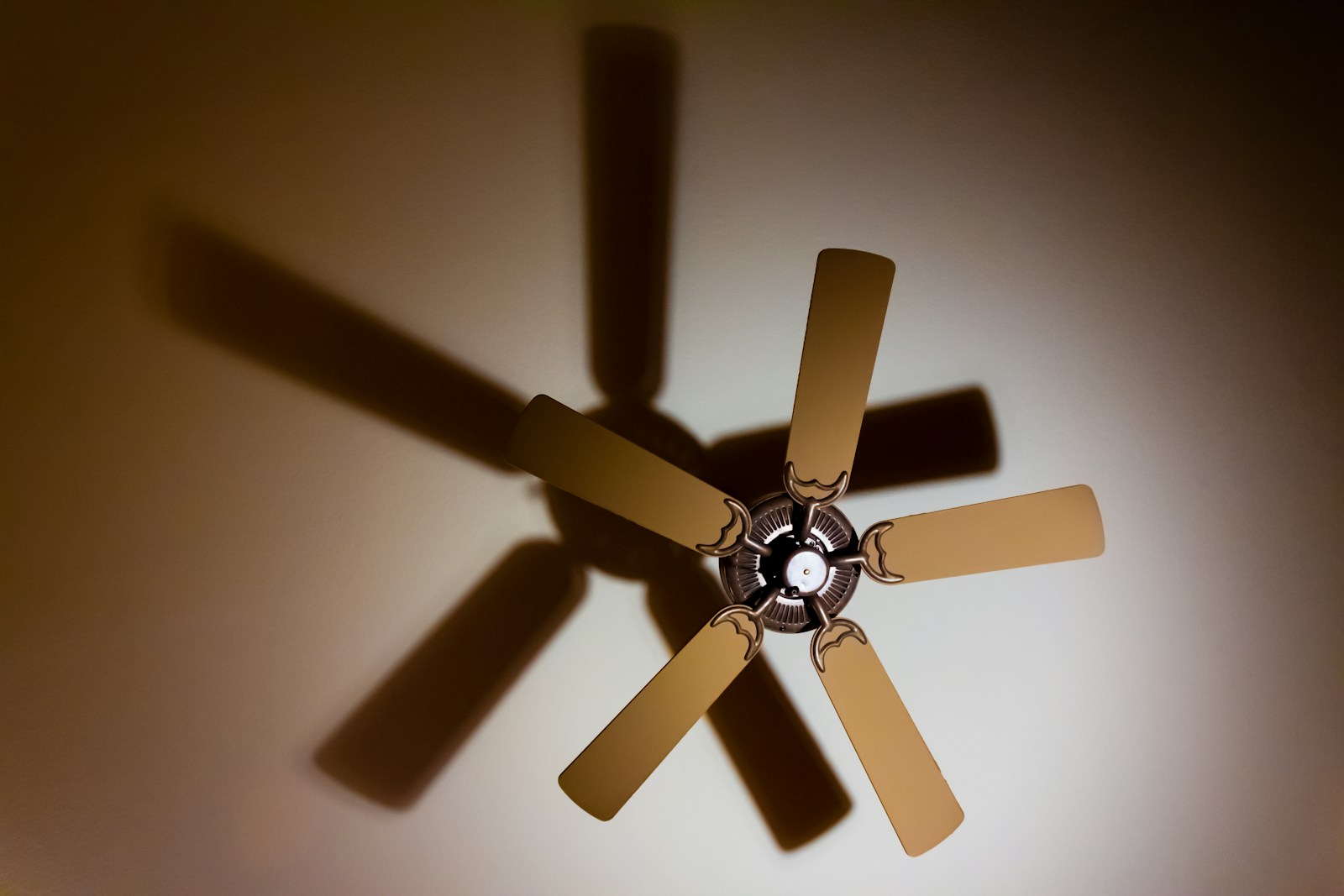
Every ceiling fan blade bolts to a small metal arm, not directly to the motor housing. Hunter’s own parts breakdown calls these arms “blade irons” or “blade brackets,” and they attach to either a central blade-mounting ring or, on older designs, a flywheel. Each blade gets screwed into its iron with two to four fasteners, then the iron itself bolts to the ring with its own set of screws. That’s two separate joints per blade, and either one loosening over months of vibration is enough to let a blade start working itself free. It’s also exactly the failure mode described in the Halwin recall: separation at the flywheel connection, not a snapped blade.
What to Check on the Fan You Already Own
- Power off the fan and, with a stepladder, hand-tighten every visible blade screw where the blade meets its bracket. Don’t overtighten into stripped plastic housings.
- Check the screws connecting each blade bracket to the central mounting ring or flywheel above the blades. These are easy to miss because they’re hidden behind the motor housing.
- Run the fan on low, then medium, then high, and watch the blade tips. Any blade that dips lower than the others or wobbles independently has a loose bracket or a warped blade.
- Grip the fan below the mounting bracket and gently push up and side to side. Play at the ceiling bracket or along the downrod means the mount itself needs attention, not just the blades.
- Look for hairline cracks in plastic blade irons, especially near the screw holes, where a Halwin-style fatigue failure would start.
Buying a Replacement: What the Spec Sheet Actually Tells You
A fan’s box copy talks up looks and remote controls. The numbers that predict whether it stays together are buried lower on the spec sheet.
- Confirm UL or ETL listing. This isn’t optional trim. It means an independent lab tested the motor, wiring, and mounting hardware together, not just the blades in isolation.
- Match the ceiling box to the fan, not just the wiring. Under the National Electrical Code, a box supporting a paddle fan must be listed specifically for that purpose, or installed with direct access to framing that can bear the load. A standard light-fixture box is rated for a few pounds hanging still, not a rotating motor. If you don’t know what’s in your ceiling now, assume it isn’t fan-rated until an electrician confirms otherwise.
- Weigh the CFM claim against the motor type. DC motors have largely replaced AC motors in mid-range and premium fans because they push more air per watt and run quieter at low speed, but a heavier published weight paired with a flimsy bracket rating on the box is a mismatch worth skipping.
Three Real Fans, Compared
Manufacturer spec sheets make the differences concrete. Hunter’s Pro’s Best ENERGY STAR DC, a 52-inch fan, is ETL listed, uses a WhisperWind DC motor, and moves 4,756 CFM on high while drawing just 13 watts. Minka-Aire’s Simple F787-SL, also 52 inches, is UL listed for wet outdoor locations, runs a DC motor, and rates at 6,231 CFM. Big Ass Fans’ Haiku line goes further, with a brushless DC/EC motor across 52-, 60-, and 84-inch blade spans, topping out near 17,369 CFM on the largest size while staying under 35 decibels. None of that airflow means anything if the bracket bolting the fan to your ceiling isn’t rated to carry it, which is why the box and mount matter as much as the CFM number on the shelf tag.
When to Call an Electrician
Skip the ladder and call a licensed electrician if you find any bare or brittle wiring insulation, if the fan flickers lights on the same circuit, or if you genuinely don’t know whether your ceiling box is fan-rated. Swapping a plain light box for a fan-rated one usually means opening the ceiling to reach a joist, which is a bigger job than it looks like from the floor. It’s also the one part of this whole checklist you can’t verify by eye from underneath, so when in doubt, get it inspected before you hang anything heavier than a light fixture up there.
Leave a Reply