Portable generators were linked to roughly 750 carbon monoxide deaths between 2012 and 2022, according to the Consumer Product Safety Commission’s winter safety guidance. That figure is the reason a generator purchase isn’t really a “deal” question first — it’s a safety question that happens to come with a price tag attached. Fall storm season and pre-winter sales bring a wave of generator discounts, and it’s easy to fixate on the percent-off banner instead of the wattage, safety hardware, and true cost sitting underneath it. Here’s how to actually evaluate one before you buy, using manufacturer specs and CPSC guidance instead of marketing copy.
What to Check Before You Buy
- Running (rated) watts that cover your actual essential loads, not just the headline peak number on the box
- Starting/surge watts that exceed your single largest motor load, since motors draw far more power at startup than while running
- A built-in automatic carbon monoxide shutoff sensor, not just a vague “low-CO” or “CO-safe” label
- A published noise rating in dB, so a “quiet” claim can actually be compared between models
- The item’s price across two or three retailers over the past few weeks, not just this week’s discount tag
Size It to What You’ll Actually Run
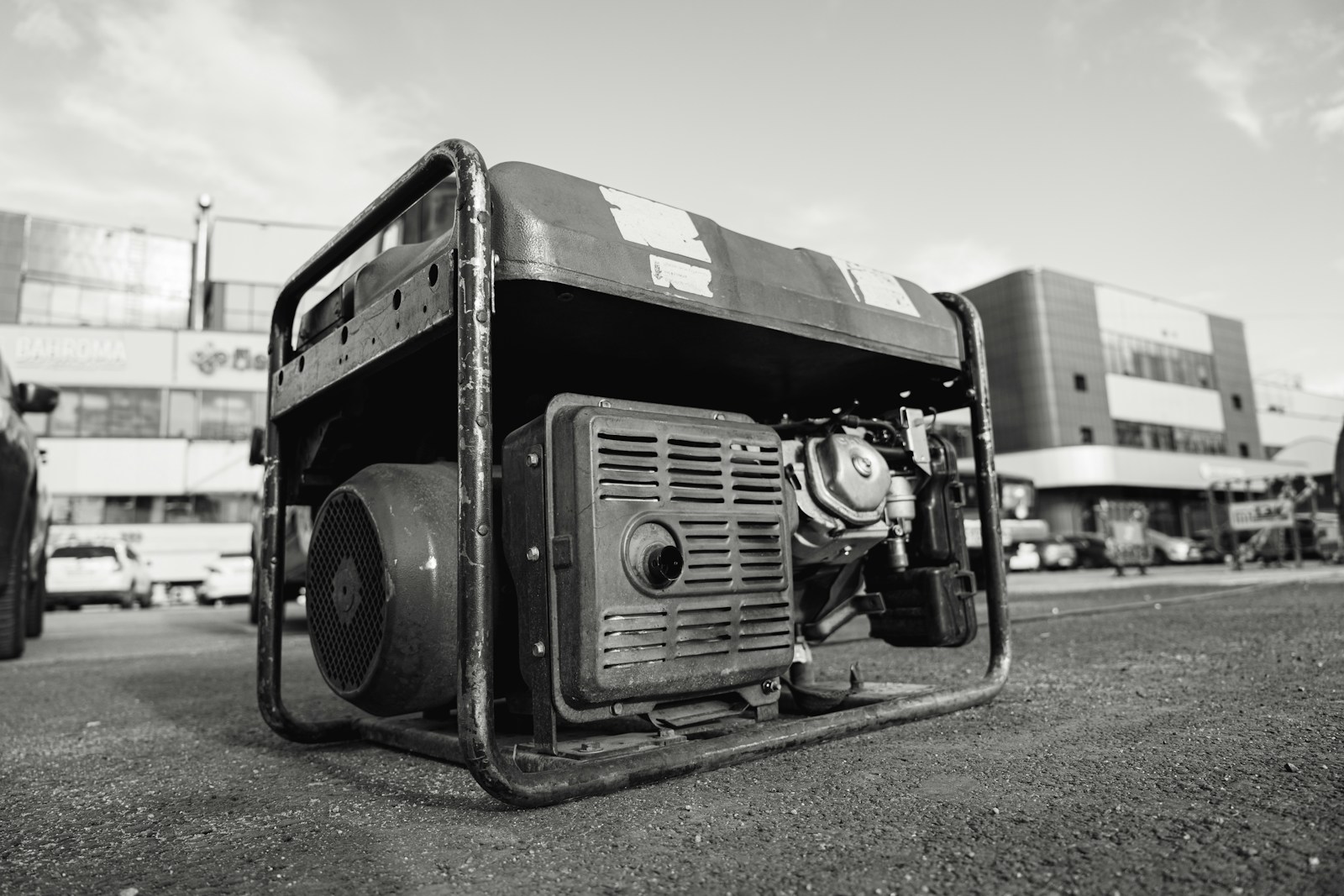
Every generator has two numbers that matter: running watts, what it sustains continuously, and starting or surge watts, the short burst needed to kick a motor on. According to Generac’s own appliance wattage worksheet, a standard refrigerator or freezer draws about 700 running watts, and Generac notes that starting watts for motor-driven appliances typically run around double the running figure, putting a fridge’s surge near 1,400 watts. A 12,000-BTU window air conditioner is a bigger draw: Generac’s same worksheet lists it at roughly 3,250 running watts, meaning its startup surge can approach 6,000 watts on its own. That single detail explains why a generator rated for 6,500 running watts, enough on paper to power a whole small home, can still stall or trip a breaker the moment one window AC unit tries to start. When you size a unit, add up the running watts of everything you’d run at once, then confirm the generator’s surge rating clears your single biggest motor’s startup spike, not just its running draw.
CO Safety Features to Require
Automatic CO shutoff sensors are no longer a premium add-on; they’re standard on many current-generation portable units and worth treating as non-negotiable. Generac’s COsense technology, for example, uses onboard sensors and what the company describes as patent-pending algorithms that detect rising CO levels faster than a typical household CO monitor, then automatically cuts the engine and triggers an LED alert before concentrations become dangerous indoors or in an attached garage. DuroMax builds a comparable sensor shutdown into models like the XP12000EH, which cuts power automatically when CO accumulates around the unit. If a listing doesn’t name an automatic shutoff specifically, check the manufacturer’s own spec page rather than trusting a retailer’s bullet points, since “CO-safe” marketing language sometimes just means the engine meets emissions standards, not that it senses and reacts to dangerous buildup.
Where to Run One, Regardless of Features
Even with a CO sensor, CPSC guidance is unambiguous: run a portable generator outdoors only, at least 20 feet from your home, with the exhaust pointed away from windows, doors, and vents. Never run one in a garage, basement, shed, or crawlspace, even with the door open. A CO shutoff sensor is a backstop for when something goes wrong, not a substitute for correct placement.
Two Real Generators, Side by Side
Specs vary enough between models that the sticker price alone tells you little. Generac’s GP6500 with COsense is rated for 6,500 running watts and 8,125 starting watts, at an MSRP of $939. DuroMax’s XP12000EH runs on gasoline or propane, delivering 9,500 running watts and 12,000 starting watts on gasoline, with a published noise rating of 74 dB. Notably, Generac doesn’t list a standardized decibel figure for the GP6500 at all, which is its own reminder to compare the specs a manufacturer actually discloses rather than assume every brand measures noise the same way.
Is the Sale Price Actually a Discount
A “40% off” tag means little if the “original” price was inflated first. Before buying, check the same model number across two or three major retailers and note what it’s sold for over the past several weeks, not just today. If a generator’s discount price lands near what it routinely sells for elsewhere, the sale isn’t saving you much, no matter how large the percentage looks on the tag.
With roughly 750 CO deaths tied to generator use over a single decade, per CPSC’s own accounting, this purchase carries more weight than an ordinary appliance buy. Size the unit to your real loads, confirm an automatic CO shutoff on the manufacturer’s own spec sheet, and run it outdoors at a safe distance every single time, regardless of what safety features it has.
Leave a Reply