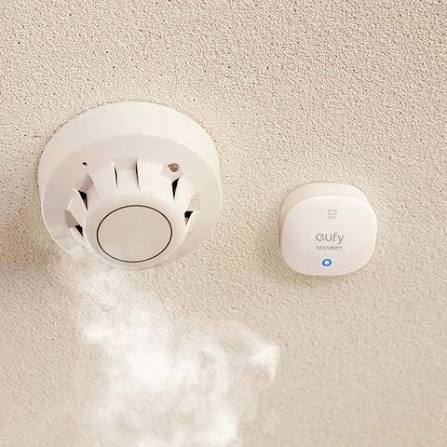
Nearly 377,000 plug-in gas and carbon monoxide detectors sitting in outlets across the country right now cannot be trusted to warn you about a CO leak. On August 20, 2026, the Consumer Product Safety Commission warned that “4-in-1” plug-in natural gas and CO detectors built on the KH158 model and sold under at least 17 different brand names failed to alert consumers in 91 reported incidents. About 376,974 units are affected, and CPSC says you should unplug and stop using them immediately rather than wait for a formal recall remedy. That failure points to a bigger problem most homeowners never think about: a CO alarm that seems fine can still be useless when it matters. Here’s how to check yours the right way, place it correctly, and know when it’s actually done its job by dying of old age.
What You’ll Need
- Your CO detector’s model number (stamped on the unit itself, not the box)
- Internet access to check that number against CPSC’s recall list
- A tape measure
- Fresh batteries, if your unit is battery-powered or battery-backed
- Your phone’s calendar or a permanent marker, to log the install date
Step 1: Find the Model Number on the Actual Unit
Flip the detector over or pop the back panel and look for a printed or embossed model number, usually a short alphanumeric code near the manufacture date. Skip the box; if you tossed it years ago, the unit itself is the only reliable record. Cross-check that number against CPSC’s recall and warning listings and, if you bought a plug-in gas/CO combo unit, compare it specifically to the KH158 model named in the August warning. If it matches, unplug it now and replace it with a standalone CO alarm rather than waiting on a refund process.
Step 2: Check the Manufacture Date Against the Sensor’s Rated Life
Every CO alarm has an expiration built in, whether or not the alarm ever sounds. Electrochemical CO sensors chemically degrade over time, so a unit can pass every test and still be reading gas incorrectly. Kidde states its carbon monoxide alarms carry a 7-to-10-year lifespan depending on the model, with units made before 2013 rated for 7 years and most newer models rated for 10. Find the manufacture date stamped on your unit, add the manufacturer’s rated life, and if you’re past that date, replace it today regardless of how it’s performing.
Step 3: Do a Real Functional Test, Not Just a Button Press
Pressing the test button only confirms the horn, circuit board, and battery connection work. It does not verify that the sensor can still detect carbon monoxide, because that button is wired to trigger the alarm sound directly rather than exposing the sensor to gas. The only way to confirm actual gas-sensing performance is to replace the unit on schedule per Step 2, or use a manufacturer-specified test kit or canned test gas designed for that model. Treat the button test as a weekly or monthly check that the alarm can make noise, not as proof the unit will catch a leak.
Step 4: Place It Where It Can Actually Detect CO
More than 200 people in the US die every year from non-fire carbon monoxide poisoning tied to consumer products like furnaces and generators, according to CPSC’s Carbon Monoxide Fact Sheet, which recommends installing an alarm on every level of your home and outside each sleeping area. Placement matters as much as the hardware. Keep the detector away from direct proximity to fuel-burning appliances, since a brief startup puff can trigger false alarms. Keep it away from windows, doors, and vents, where incoming fresh air can dilute CO before it reaches the sensor. Mount it roughly 5 feet from the floor, or follow the manufacturer’s specific height guidance printed in the manual, since some models are designed for ceiling or near-ceiling mounting instead.
Step 5: Prioritize Battery Backup and Interconnection
A plug-in unit with no battery backup goes dark the moment the power does, which is exactly when a portable generator or backup heater is most likely to be running and producing CO. Choose battery-backed models for this reason. If your home has multiple levels or a layout where an alarm in one room might not be heard from another, interconnected alarms, where one unit sounding triggers every other alarm in the system, close that gap. Larger homes benefit from this the most, since a single alarm on a distant floor may not wake someone sleeping on the opposite end of the house.
When to Stop Troubleshooting and Call for Help
If a CO alarm ever sounds for a real reading and not a test, do not stay inside to investigate the unit or hunt for the source. Get everyone and any pets outside immediately, then call 911 or your local fire department from outside the house. Let firefighters confirm it’s safe to re-enter. Once the emergency has passed, if CO levels were confirmed elevated or you suspect a leaking furnace, water heater, or other fuel-burning appliance, call a licensed HVAC technician to inspect and repair the source. Replacing the detector fixes nothing if the appliance behind the leak is still venting improperly.
Leave a Reply