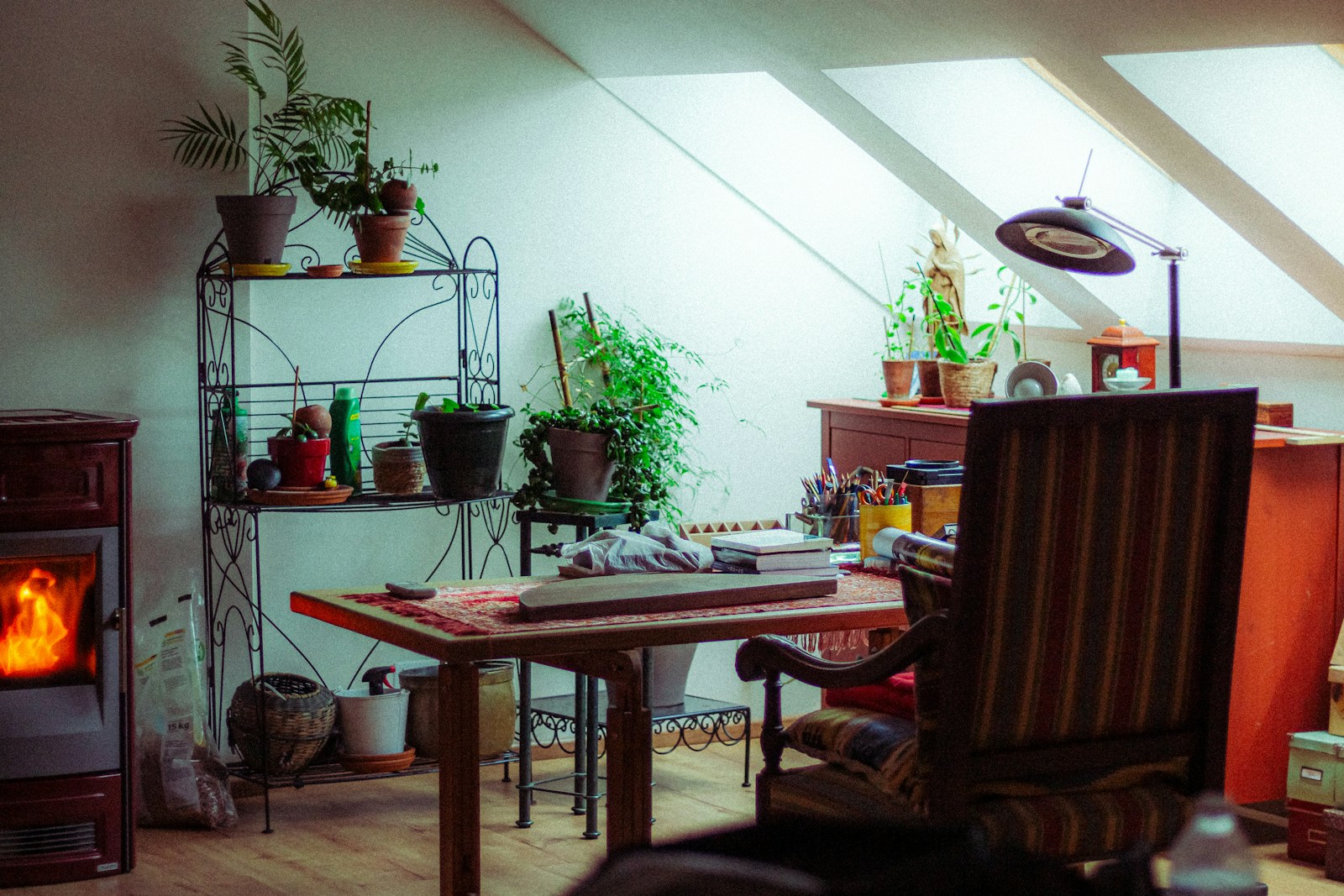
Roughly 1,600 house fires a year start with portable space heaters, and another 15,400 start in fireplaces and chimneys, a combined 17,000 fires annually tied to the two most common ways households add heat in winter, according to the U.S. Consumer Product Safety Commission’s January 2026 winter safety release. Those space heater fires alone kill an average of 70 people and injure 150 more each year; fireplace and chimney fires add another 30 deaths and 90 injuries annually, using 2020-2022 data. Portable generators carry a separate hazard entirely: they’ve been linked to about 750 carbon monoxide deaths between 2012 and 2022. None of this comes from equipment that malfunctioned on its own. The CPSC’s guidance points to a small set of everyday habits, mostly involving distance and maintenance, that show up again and again behind the numbers.
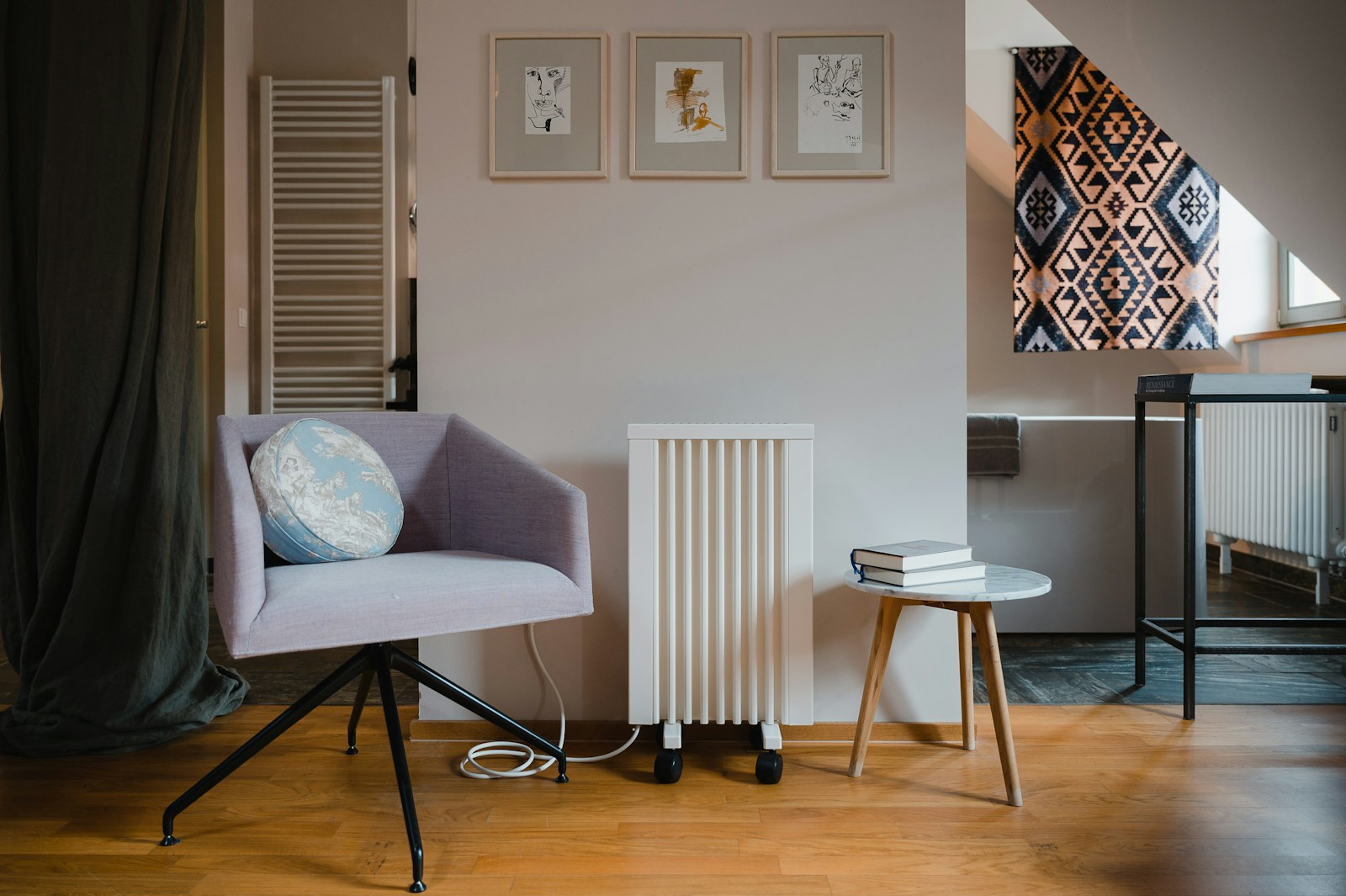
1. A space heater sits inches from curtains, bedding, or the couch. The CPSC’s standing rule is a three-foot clearance zone around any portable heater, kept clear of drapes, furniture, and bedding. That distance matters because most heater fires start when a nearby flammable surface heats past its ignition point, not because the unit itself catches fire. The fix costs nothing: measure it out once, mark the spot with tape if needed, and treat that zone as permanently off-limits to blankets and toy bins.
2. The heater keeps running after everyone’s asleep. CPSC guidance is direct on this point: turn heaters off before bed and whenever the room is unoccupied, since an unattended unit can’t be caught the moment it tips, overheats, or ignites something nearby. Bedtime routines are the easiest place this slips, especially with a heater running through a cold night in a kid’s room. Building a shutoff into the nightly routine, alongside brushing teeth and locking doors, closes that gap.
3. It’s plugged into an extension cord instead of the wall. Space heaters draw far more current than most household cords are rated for, and the CPSC’s tips are explicit that they should go directly into a wall outlet, never a power strip or extension cord. An overloaded cord can overheat and ignite on its own, separate from anything the heater itself does. If the nearest outlet isn’t close enough, that’s a sign to reposition the heater, not to bridge the gap with a cord.
4. The chimney hasn’t been swept since last winter. Creosote, the flammable residue that builds up inside a flue from burning wood, is a documented spark source for chimney fires, and the CPSC recommends a professional inspection of fireplaces, chimneys, flues, and vents every single year. Skipping a season or two lets buildup accumulate unnoticed, since there’s no visible warning sign from inside the house. A fall inspection before the first fire of the season is the one maintenance task in this list that homeowners can’t fully DIY.
5. Hot ashes go into a cardboard box or plastic bin. Ashes that look cool on the surface can hold burning embers for days, which is why a joint CPSC and U.S. Fire Administration safety alert calls for storing them in a covered, fire-resistant metal container, kept outdoors and away from anything combustible. A plastic trash can or a cardboard box pressed against a wooden deck removes every layer of that protection at once. The container itself is inexpensive; the habit of using it every time is the part that actually prevents the fire.
6. A generator runs in the garage, even with the door open. This is the mistake behind the 750 carbon monoxide deaths tied to generators over the past decade. CPSC guidance says generators should run outdoors only, at least 20 feet from the house with exhaust directed away from windows and doors, never inside a garage, basement, or shed regardless of ventilation. Carbon monoxide is odorless and can accumulate to lethal levels before anyone in the house notices anything wrong. Pairing that outdoor placement rule with an interconnected CO alarm system covers the two most common ways these deaths happen.
7. An old heater with no tip-over shutoff stays in circulation. Modern electric and kerosene heaters are required to include an automatic cutoff that kills power the moment the unit tips over, a safety standard the CPSC has flagged as essential since it began pushing for the feature. A heater bought secondhand or pulled from storage from before that standard took hold may lack it entirely, and that gap matters most in households with kids or pets who can knock a unit over. Checking a heater’s specs, or simply replacing an older unit, closes a hazard that has nothing to do with how carefully it’s used.
What connects all seven of these is that none of them require new technology or professional-grade equipment to fix. A tape measure, a metal bucket, a wall outlet, and a once-a-year phone call to a chimney sweep address nearly the entire list. The 17,000 fires the CPSC counts each winter aren’t a story about heating equipment failing; they’re a story about the few feet of clearance and few minutes of maintenance that get skipped.
Leave a Reply