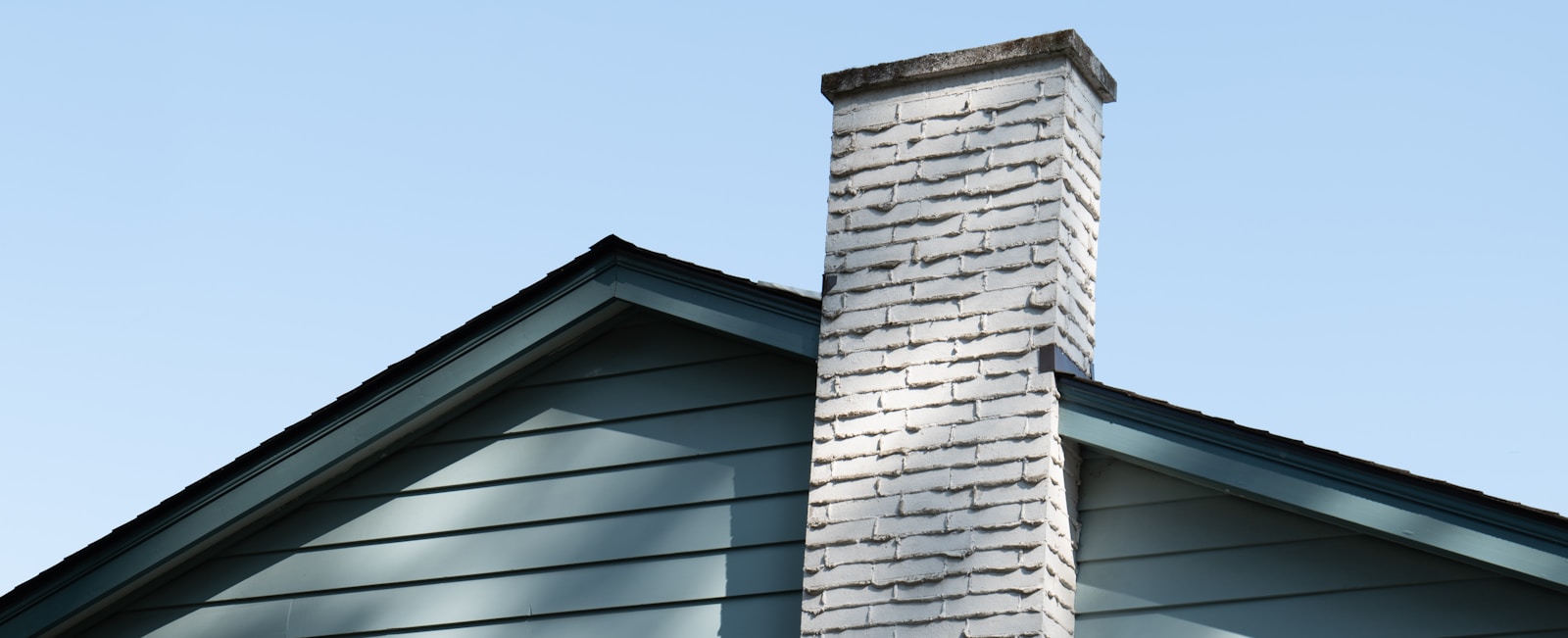
More than 200 people die every year in the United States from carbon monoxide poisoning tied to ordinary household products, according to the U.S. Consumer Product Safety Commission’s carbon monoxide fact sheet. Generators cause more of those deaths than any other single product, but the CPSC also names furnaces, portable heaters, water heaters, and fireplaces as regular sources. What makes CO so dangerous is that it has no color, smell, or taste, so a house can feel completely normal right up until someone in it gets sick. The inspection most homeowners skip, or assume their furnace filter change already covers, is a professional check of the heating system, chimney, and flue before cold weather sets in. Here’s what that inspection actually involves, what you can check yourself in the meantime, and when to stop troubleshooting and get outside.
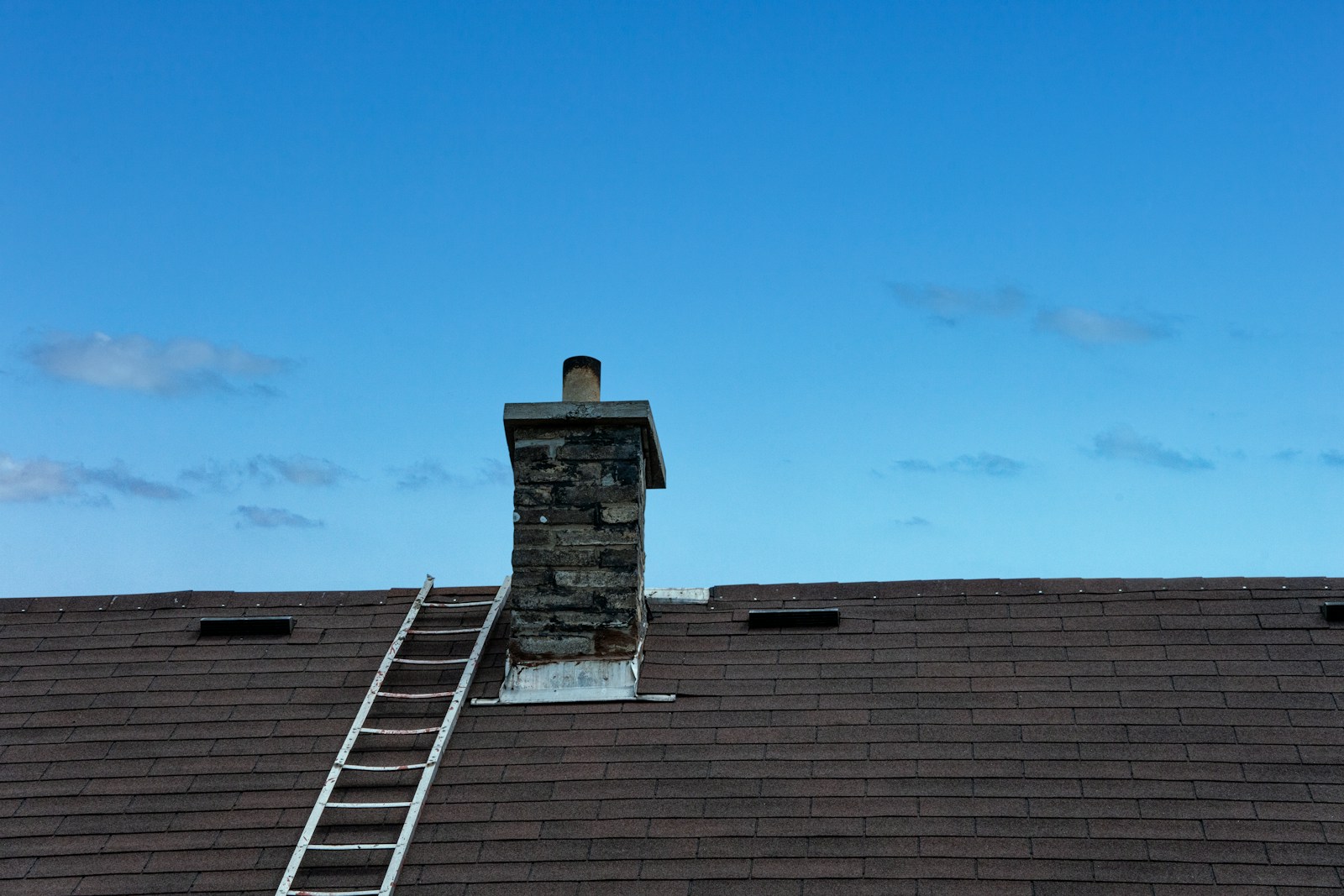
What a Real Chimney Inspection Actually Checks
The safety standard the Chimney Safety Institute of America points homeowners to, National Fire Protection Association Standard 211, calls for chimneys, fireplaces, and vents to be inspected at least once a year “for soundness, freedom from deposits, and correct clearances,” regardless of how often you actually use the fireplace. That yearly service should be a Level 1 inspection, the baseline exam a certified chimney sweep performs during routine cleanings.
A Level 1 inspection covers the readily accessible parts of the chimney and appliance, not anything hidden behind walls, and it’s more thorough than a quick visual glance. A sweep checks for:
- Blockages, including animal nests, leaves, and other debris that build up in a flue that hasn’t been used in a while and can trap smoke and carbon monoxide inside the house instead of letting them vent outdoors.
- Creosote buildup on the flue walls. CSIA’s own inspection guidance calls for sweeping any chimney with an eighth of an inch or more, since heavy creosote both restricts airflow and creates a fire hazard.
- Cracks or damage to the flue liner and chimney structure, which can let combustion gases leak into rooms they were never designed to reach.
- Draft and function of the damper and any draft regulators, confirming air is actually moving the direction it’s supposed to.
- Structural soundness of the masonry, flashing, and mortar, since deterioration can happen even in a chimney that’s sat unused for years.
If a sweep finds a problem in any of those areas, that’s when a more invasive Level 2 inspection, often involving a video scan of the flue, gets recommended.
What an HVAC Technician Checks on Your Furnace
The Environmental Protection Agency recommends having fuel-burning appliances, including furnaces, water heaters, ranges, dryers, and wood stoves, inspected by a professional at the start of every heating season, confirming flues and chimneys are connected, undamaged, and not blocked. The CPSC has pushed the same message directly at homeowners, urging an annual furnace inspection specifically to catch the cracks and blockages that lead to CO deaths.
On a furnace, the technician’s central task for CO safety is examining the heat exchanger, the metal chamber that keeps burning gas separated from the air your blower pushes into your rooms. A crack there lets combustion byproducts, carbon monoxide included, mix into the air you breathe instead of exhausting outside. A qualified tech will also run a combustion analysis, using a meter to measure the actual exhaust gases rather than just eyeballing the flame, which catches incomplete combustion a visual check alone would miss. The last step is confirming the vent pipe carries exhaust all the way outdoors, with the correct slope and no gaps at the joints where gas could escape into the attic instead.
What You Can Check Yourself First
Before you ever call a professional, a walk around the house can flag a problem worth prioritizing. Look for soot stains or dark discoloration around the fireplace opening or the wall above it. Notice any musty or unusual odor coming from the chimney, particularly with the damper closed. Look up into the flue opening from below for visible nests, leaves, or debris. Outside, check that dryer and water heater exhaust vents aren’t blocked by fallen leaves, nesting insects, or snow piled against the house.
These are visual checks only. They can tell you a problem exists, but not whether a flue liner has hairline cracks or a furnace’s heat exchanger is intact, and they’re not a substitute for the professional inspection described above. Pair the walkaround with confirming you have working CO alarms on every level of your home and just outside each sleeping area, the minimum placement the CPSC recommends for catching a leak before it becomes fatal.
When to Call 911 Instead of a Technician
If a CO alarm ever sounds for what seems like an actual reading rather than a low-battery chirp, get everyone out of the house immediately and call 911 or your local fire department once you’re outside. Don’t stop to open windows, don’t go hunting for the source yourself, and don’t go back inside until emergency responders tell you it’s safe. CO poisoning symptoms, headache, dizziness, nausea, and confusion, can look a lot like the flu, so if those symptoms show up and then ease once everyone’s outside, treat it as a likely exposure and let responders check the house before anyone returns.
Leave a Reply