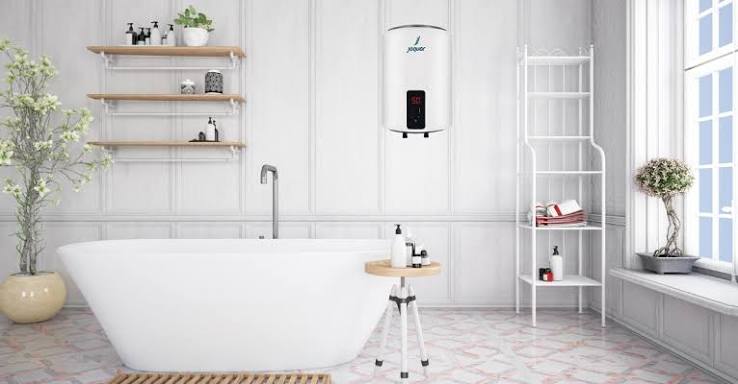
Most gas and electric water heaters leave the factory set to 140°F, a number Mass Save’s fall energy-efficiency checklist singles out as the single easiest fix on a homeowner’s fall to-do list, recommending you turn it down to 120°F instead. Tap water at 140°F can cause a third-degree burn in about five seconds of skin contact, while at 120°F that same injury takes roughly five minutes to develop, according to the Consumer Product Safety Commission’s guidance on tap water scalds, and the Department of Energy notes that every 10-degree reduction in your water heater’s setting saves roughly 3 to 5 percent on water heating costs on top of that. The fix takes less time to do than it does to explain, and it costs nothing. Here’s exactly where to find the dial, because gas and electric units hide it in completely different places.
Time: 5 to 15 minutes. Cost: $0 in materials (a flathead screwdriver may be needed). Difficulty: Easy.
What You’ll Need
- A flathead or Phillips screwdriver, for hidden gas valve dials and electric thermostat access panels
- A non-contact voltage tester, to confirm power is off before opening an electric unit’s panels
- A cooking or meat thermometer and a cup, to check the actual temperature at a faucet afterward
- Work gloves, useful but not required, for handling insulation inside an electric unit’s access panel
Adjusting a Gas Water Heater
- Find the gas control valve near the bottom of the tank. On most residential units this is a round dial mounted directly on the valve body, not a separate thermostat panel, and it sits close to where the gas line and pilot assembly enter the tank.
- Read the markings. Rather than exact degrees, many gas valves are labeled with a simple range from “warm” through “hot” to “very hot,” or sometimes just A through E. As a rough guide, the low-warm setting is closer to 120°F and the hot-to-very-hot range climbs well above 140°F, so aim for the low end of that scale.
- Turn the dial to the lower setting using your hand. Most valves turn with light finger pressure; if the knob won’t move, don’t force it, since a stuck valve dial can be a sign of an aging control assembly.
- Check for a hidden dial. Some manufacturers recess the temperature control behind a small metal or plastic flap on the valve itself, which requires a flathead screwdriver to pry open or turn. If you see a slot instead of a knob, that’s your cue.
- Wait about an hour for the tank to cycle to the new setting, then run the hot tap into a cup and check the temperature with your thermometer, adjusting again in small increments if it’s still running hot.
Adjusting an Electric Water Heater
- Cut power at the breaker box first. Electric water heaters typically run on a dedicated 240-volt circuit, and you should never open an access panel with that circuit still live.
- Confirm the power is actually off using a non-contact voltage tester at the panel before touching anything inside. Breaker labels are wrong often enough that this step is worth the extra minute.
- Remove the upper access panel with your screwdriver, then pull back the insulation and the plastic safety guard underneath it to expose the upper thermostat.
- Set the upper thermostat dial to 120°F using the screwdriver, turning slowly and checking the printed scale as you go, since these dials are usually small and easy to overshoot.
- Repeat the process on the lower access panel if your unit has a second thermostat, which most standard 40- to 50-gallon electric tanks do. Set the lower thermostat to match the upper one exactly, since a mismatch between the two can cause the elements to cycle unevenly and wear out faster.
- Replace the insulation and both panels, restore power at the breaker, and let the tank run for about an hour before testing the water temperature at a nearby faucet with your thermometer.
When to Call a Plumber Instead
If you open the electric unit’s access panel and feel any hesitation about the wiring inside, stop and call a licensed electrician or plumber rather than pushing forward. That hesitation is your judgment working correctly, not a reason to power through. The same goes if the breaker doesn’t seem to fully de-energize the circuit when you test it. Adjusting the thermostat is also a good moment to notice problems that have nothing to do with temperature. Rust or corrosion around the panel, water pooling at the base of the tank, or a popping and rumbling sound when the heater runs are all signs of sediment buildup or a tank nearing the end of its service life, and none of those improve by turning a dial. If you smell gas near a gas unit’s valve, don’t touch anything else, leave the area, and call your gas utility or a plumber immediately. In every other case, this is a five-minute job that pays for itself the first time someone reaches for the hot tap.
Leave a Reply