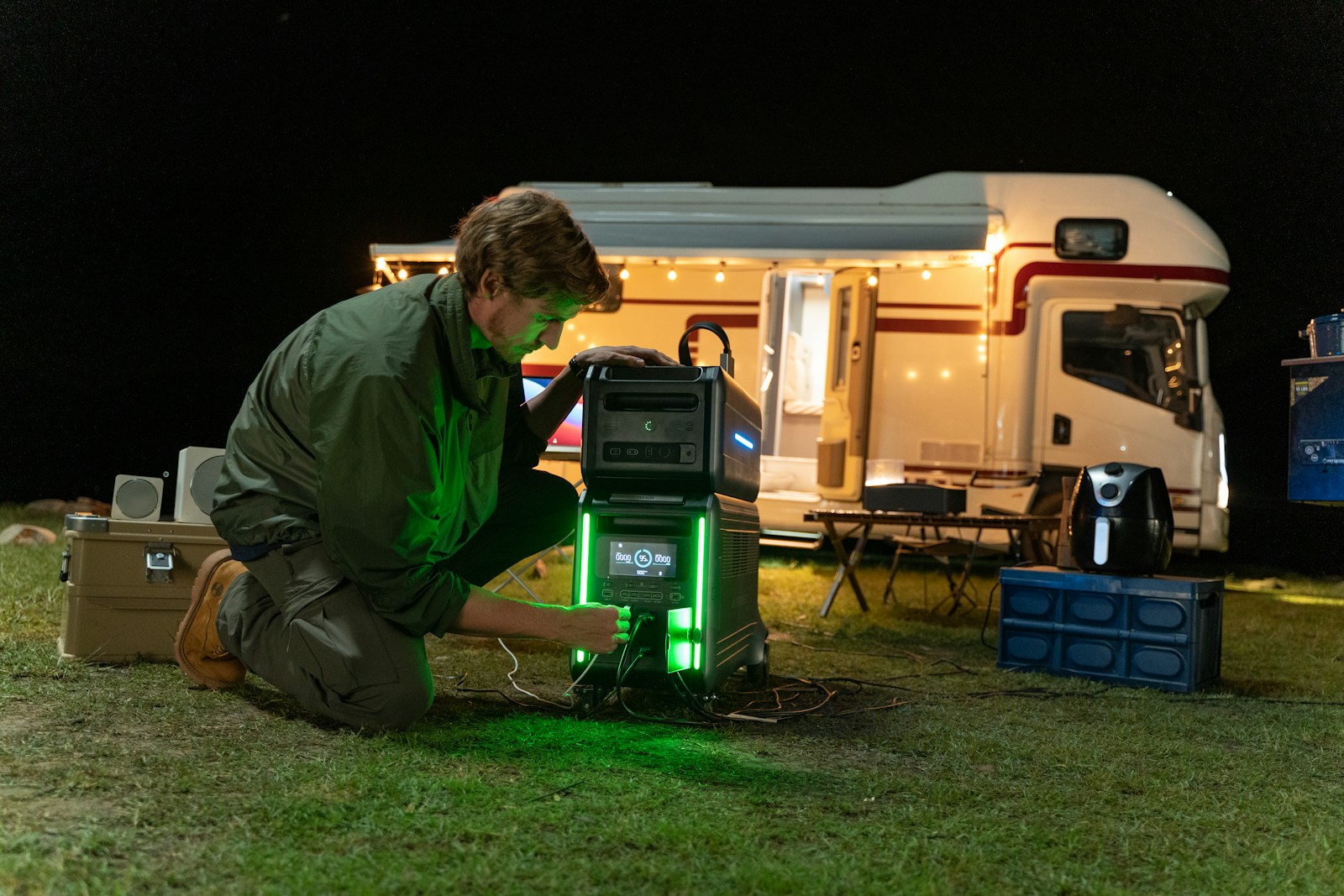

Eleven hours. That’s how long the average U.S. electricity customer went without power in 2024, nearly double the ten-year average, and Hurricanes Beryl, Helene, and Milton alone accounted for 80% of that year’s total outage hours, according to U.S. Energy Information Administration data. If you’ve ever stood in a dark kitchen wondering whether the generator in your garage can actually run the fridge and the furnace at once, the honest answer is: probably not, unless you’ve done the math first. Most people buy generators based on the biggest number printed on the box, not the real wattage draw of what they intend to plug in. That gap between “rated watts” and “what your house actually needs” is where a lot of frustrated, undersized generator purchases come from.
Start With Running Watts, Not the Sticker Number
Every appliance has two numbers that matter: running watts, what it draws once it’s already on, and starting watts, the surge it needs for a second or two to kick on, especially anything with a compressor or motor. According to Champion Power Equipment’s generator wattage chart, a standard refrigerator runs on 150 to 400 watts but can spike to 800 to 1,200 watts on startup. A half-horsepower furnace blower fan runs 300 to 800 watts, with a startup surge as high as 1,600 watts. Those surges are the reason a generator that looks big enough on paper stalls the moment the compressor kicks in.
The Big Draws: Pumps and Air Conditioning
Well pumps and sump pumps are the loads that catch people off guard, especially during storm season, when a flooded basement is exactly when you need the sump pump most. A half-horsepower well pump runs 750 to 1,000 watts and can surge to 2,000 watts on startup; a one-horsepower unit can demand up to 4,000 starting watts. A 2-ton central air conditioner runs 2,000 to 2,500 watts and surges to 3,500 to 4,500 watts, per the same Champion Power Equipment data. Stack a fridge, a furnace fan, and a sump pump together and you can clear 3,000 running watts before you’ve turned on a single light.
Do the Math Before You Shop
Consumer Reports puts the process simply: “make a list of the appliances you want to power and add up their wattages” rather than trusting a generator’s headline number. A realistic “keep the essentials running” list, fridge, sump pump, a few lights, and phone chargers, lands most households in the 1,500 to 2,500 running-watt range, which is why Consumer Reports notes that occasional-outage households can often get by with a midsized inverter generator in the 2,000 to 3,500 watt class. Add central air or a well pump to that list and you’re solidly into large-portable territory, 5,000 to 8,500 watts. Want to run the whole house, including electric heat, without rationing anything? That’s the 15,000 to 20,000 watt range manufacturers like Generac and Kohler build their home standby lineups around.
Fuel Runtime Matters As Much As Wattage
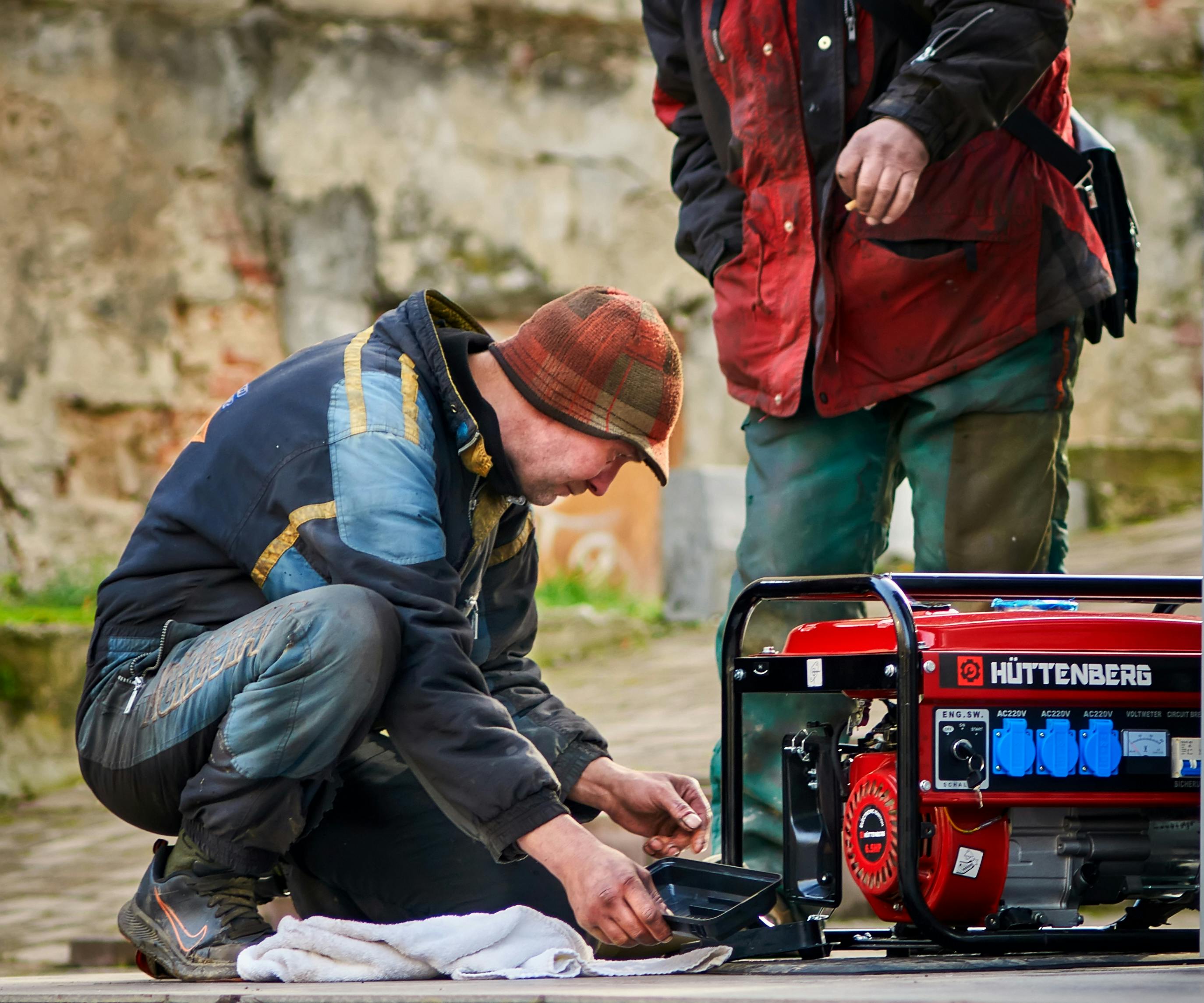
Wattage only tells half the story. A generator sized correctly for your load can still leave you stranded if you haven’t planned for fuel. Gasoline portable units typically burn through a tank in 8 to 12 hours at moderate load, meaning a multi-day outage means either a large stored fuel supply or a dual-fuel unit that can also run on propane, which stores indefinitely without degrading. Standby units wired to natural gas solve the refueling problem entirely, which is part of why they cost more upfront but need far less babysitting during a week-long outage.
Size for the Season, Not the Best Case
Hurricane season timing matters here too. The 2024 season alone knocked out power to 2.6 million Texas customers during Hurricane Beryl, 5.9 million people across ten states during Helene, and 3.4 million in Florida during Milton, per the same EIA analysis, and outages tied to major storm events lasted roughly nine hours on average that year versus about four hours in a typical year over the prior decade. That’s long enough for a chest freezer to start thawing and short enough that oversizing “just in case” usually isn’t worth the extra fuel cost, noise, and price tag. The smarter approach is sizing for your actual critical-circuit list, adding 20 to 25% headroom for starting surges, and treating anything beyond that as a nice-to-have rather than a baseline requirement.
The pattern that shows up again and again in outage prep is that people overbuy on brand and underbuy on math. A generator’s wattage rating printed on the box means nothing next to an honest tally of what’s actually plugged into your panel when the lights go out.
Leave a Reply