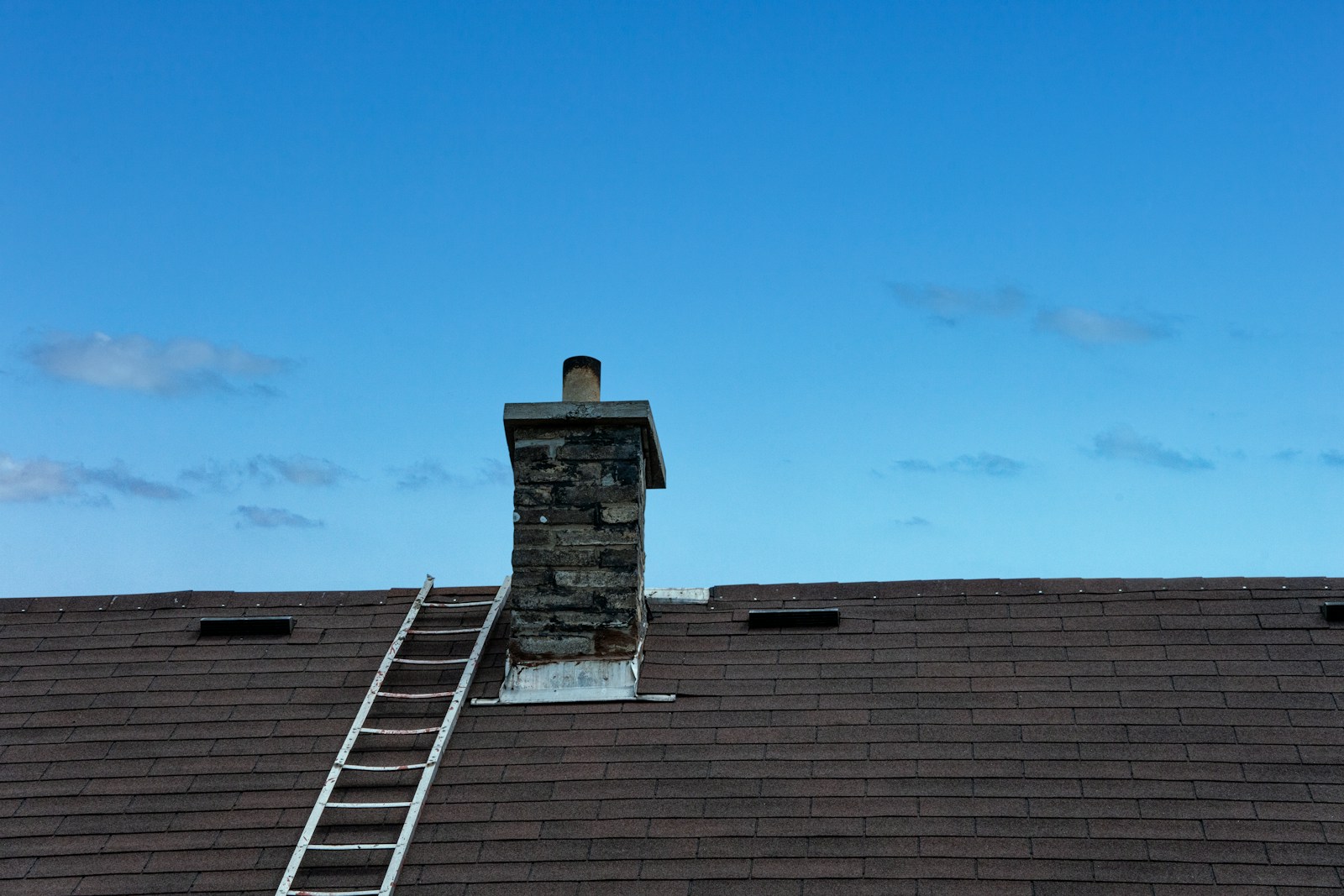
OSHA’s ladder standard doesn’t care how tall you are or how high your gutters sit. It cares about one ratio: the base of an extension ladder has to sit exactly one-quarter of the ladder’s working length away from the wall, a setup rule spelled out in federal regulation 1926.1053 and known on job sites as the 4-to-1 rule. Get that angle wrong and a brand-new ladder becomes unstable no matter how sturdy it looks in the garage. Stack a second requirement on top of it, that the ladder has to reach at least 3 feet above whatever you’re climbing onto, and a lot of ladders leaning against houses this weekend are already out of spec before anyone climbs a rung. None of this is exotic engineering. It’s the same math a roofing crew is legally required to follow, and it applies just as much to a homeowner cleaning gutters on a Saturday.
The Duty Rating Chart Nobody Reads at the Store
Every ladder sold in the U.S. carries a duty rating that has nothing to do with height and everything to do with how much weight it’s built to hold. Under the ANSI classification system OSHA publishes in its own fall-prevention guidance, Type III (Light Duty) tops out at 200 pounds, Type II (Medium Duty) at 225, Type I (Heavy Duty) at 250, Type IA (Extra Duty) at 300, and Type IAA (Special Duty) at 375. That number has to cover your body weight plus every tool, paint can, and gutter scoop you carry up, not just what you weigh standing on the first rung. OSHA also requires every ladder to sustain at least four times its stated maximum load before failing, with a single exception: Type IA metal or plastic ladders only need a 3.3-times safety margin. A 200-pound homeowner hauling a 15-pound bucket of gutter debris has already eaten into most of a Type II ladder’s margin before reaching the roofline.
The 4-to-1 Rule Eats More Height Than People Expect
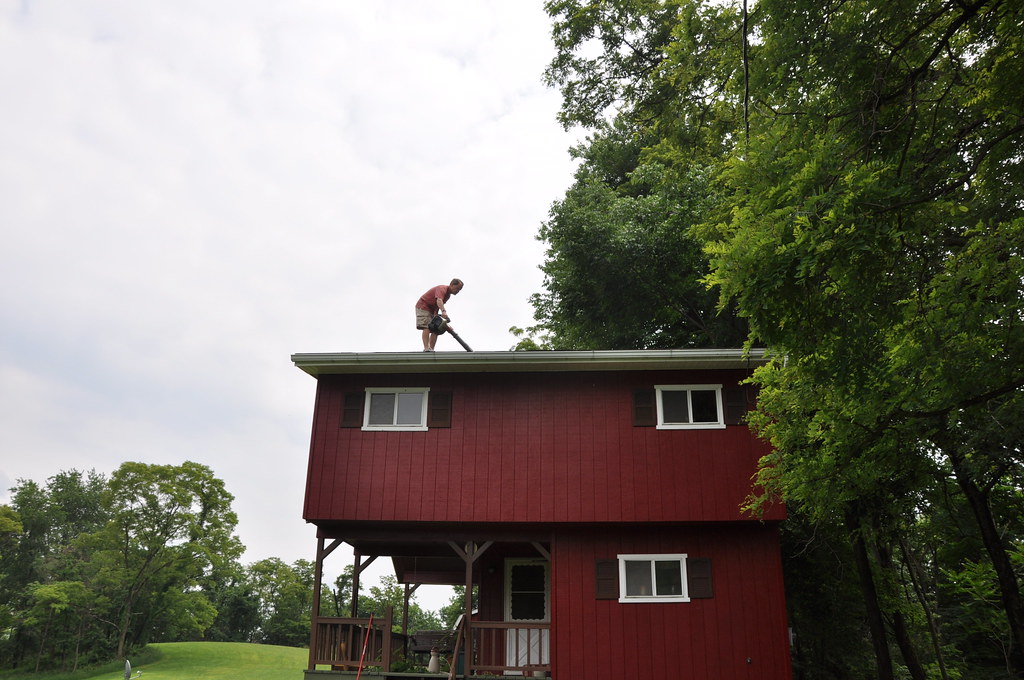
Setting the base one-quarter of the working length away from the wall sounds like a minor geometry lesson until you see how much usable height it removes. A 24-foot extension ladder, set at the correct angle per 1926.1053(b)(5)(i), only reaches roughly 22.5 feet of actual vertical climb once that base offset is factored in, and that’s before subtracting the overlap between the ladder’s two sliding sections. Homeowners who shop by the number printed on the box, rather than the real vertical reach after setup, routinely end up a size short for jobs like second-story gutter work or a chimney inspection.
Three Feet Above the Roofline Isn’t a Suggestion
The extension requirement in 1926.1053(b)(1) exists because the top three rungs of any ladder are the least stable place to stand, and stepping straight from a ladder onto a roof or gutter line with nothing to hold onto is one of the most common ways falls happen. That means a ladder for a single-story home with an 8-foot eave actually needs to reach about 11 feet, not 8. For gutter cleaning on a typical two-story home with a 16-foot eave line, that pushes the requirement toward a 20-foot extension ladder at minimum, rated Type II or higher depending on your own weight and gear.
Matching the Chart to Common Jobs
Single-story gutter cleaning with an 8-to-10-foot eave generally calls for a 16-foot extension ladder rated Type II, assuming light tools. Exterior painting up to a second-story gable, where eaves often run 16 to 18 feet, usually needs a 24-foot extension ladder and a Type IA rating once paint cans and a sprayer are factored into the load. Roof or chimney access on that same two-story house, where you’re hauling shingles, sealant, or a small toolbox up with you, is where Type IAA ladders earn their higher price tag: the extra duty rating is the margin that keeps OSHA’s four-times-load math intact rather than theoretical overkill.
None of these three numbers works alone. A ladder rated for 300 pounds can still put you in a dangerous spot if it’s two feet short of the roofline, and a perfectly-sized ladder set at the wrong angle is just as unstable as an undersized one. The chart worth keeping on the garage wall isn’t a single “ladder height for my house” figure. It’s the combination of duty rating, the 4-to-1 angle, and the 3-foot overrun, checked together before every climb.
Leave a Reply