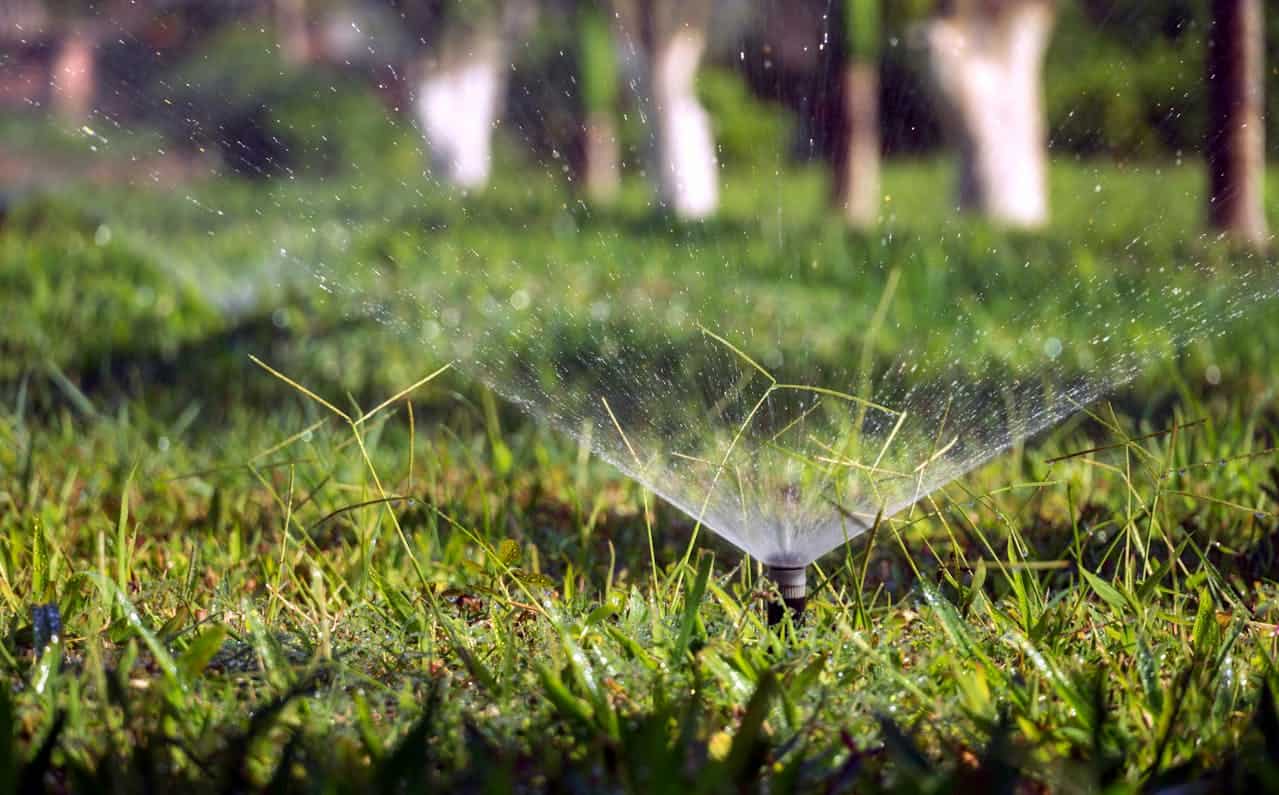
Frozen pipe and water-damage claims filed with State Farm between 2024 and mid-2025 paid out an average of more than $30,000 per claim, according to the insurer’s own newsroom data. That figure covers burst pipes generally, not irrigation lines specifically, but the mechanism is identical: water left sitting in a pipe over winter freezes, expands, and splits the line from the inside, and you don’t find out until it thaws and starts leaking into a wall, a slab, or your yard. Minnesota, for what it’s worth, ranks fourth nationally for frozen-pipe property damage according to CBS News Minnesota, which says plenty about how routine this failure is in cold-winter states. An in-ground sprinkler system is basically a network of buried pipe with nowhere for water to drain on its own, which is exactly why irrigation manufacturers treat the fall blowout as non-negotiable rather than optional maintenance.
What a Blowout Actually Does
Winterizing a sprinkler system means forcing compressed air through the pipes to push out every drop of standing water before the ground freezes, since water is what splits fittings and cracks valves once temperatures drop. Rain Bird’s own homeowner winterization guide, published on rainbird.com, caps compressor pressure at 50 psi for most residential PVC systems and recommends a compressor capable of sustaining a strong, continuous flow of air rather than just cranking up the pressure. The process itself is straightforward: shut off the main water supply, connect the compressor to a blow-out fitting, and run each zone until only a fine mist comes out of the sprinkler heads, moving zone by zone rather than trying to clear the whole system at once.
Why the Two-Minute Rule Exists
Rain Bird’s guidance is specific about not overdoing it: each zone should run for no more than about two minutes at a time, cycled two or more times until the mist clears, rather than left blasting continuously. Running compressed air through a zone too long generates heat that can warp plastic sprinkler heads or, in gear-driven rotor heads, actually melt internal components together. The company’s guide also flags basic safety steps that get skipped in a rush to finish before the first hard freeze: wearing eye protection, and never standing directly over a sprinkler head or valve box while air is moving through it, since debris and water can shoot out under real pressure.
Timing It and Deciding Who Does It
The right window for a blowout is after the last mow of the season but before the ground sees a hard freeze, which in most of the country falls somewhere in October or early November. Waiting until a freeze warning is already posted is cutting it close, since a compressor rental or a scheduled irrigation contractor isn’t always available on 24 hours’ notice once everyone else in the neighborhood has the same idea. Homeowners comfortable with basic tools can rent a compressor and do the job themselves in an afternoon for the cost of the rental; hiring a licensed irrigation company runs a modest flat fee per system in most markets, which is a rounding error next to the cost of thawing and repairing a split mainline that was never drained.
The Rest of the Outdoor Plumbing
A sprinkler blowout only covers the irrigation system, and the same freeze risk applies to every other outdoor water line. State Farm’s guidance recommends disconnecting garden hoses from every exterior spigot before the first freeze, since a hose left attached traps water in the shutoff valve and defeats the point of a frost-free faucet. Pool equipment needs the same treatment: draining pumps and filters and shutting off any freeze guards rather than assuming they’ll self-manage through winter. Indoors, State Farm also notes that keeping a home at 55°F or warmer, and letting faucets drip on the coldest nights, meaningfully reduces the odds that an interior line freezes even when a home sits empty for a stretch.
The pattern across all of it is the same: freeze damage doesn’t announce itself until spring thaw, by which point the repair bill is already locked in. A blowout that takes an afternoon, and costs far less than a service call to a burst irrigation main, is cheap insurance against a bill that averages well into five figures once it actually happens.
Leave a Reply