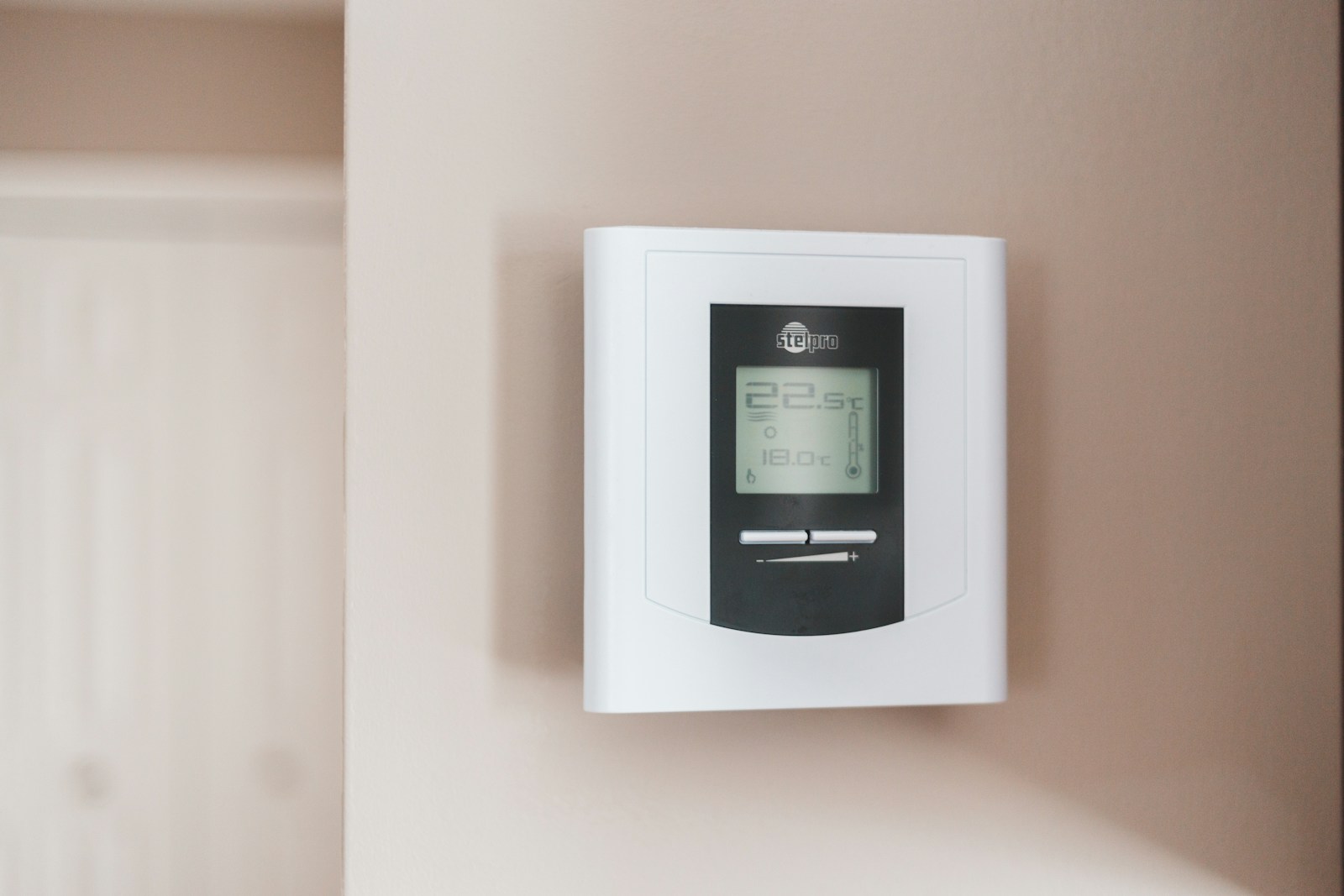
ENERGY STAR certified smart thermostats save the average household $50 a year, or about 8% off heating and cooling costs, based on real field data compiled in the program’s own technical bulletin. That’s a real number, and it’s a lot less exciting than the $145-a-year figure that circulates in blog posts and retail displays. The gap matters because heating and cooling already eats close to half the average utility bill, or more than $900 a year for a typical household according to ENERGY STAR’s product page, so getting the real savings number right changes whether a $130-to-$250 thermostat purchase pencils out quickly or takes a couple of winters to earn back. The honest version of this story isn’t that smart thermostats don’t work. It’s that the savings depend almost entirely on whether you actually use the scheduling features, and most people don’t.
Where the Real $50 Comes From
ENERGY STAR’s 8% figure is based on “actual field data” from certified devices, not lab conditions or manufacturer marketing, which is why it’s lower than some of the numbers floating around. Individual manufacturers report higher figures under their own methodology: ecobee says its customers saved up to 26% on heating and cooling costs in an internal analysis it published in 2021, and Google says Nest thermostats have collectively saved users an estimated $14 billion and more than 200 billion kilowatt-hours of energy since 2011, according to Google’s own announcement. Those aggregate, brand-specific numbers aren’t directly comparable to ENERGY STAR’s conservative household average, but they point the same direction: savings are real, they just vary a lot by household and behavior.

The Setback Schedule Is Doing All the Work
The mechanism behind the savings is simple and old: turning the temperature down (or up) while you’re asleep or away, then back to comfortable when you’re home. A smart thermostat doesn’t save money by existing on your wall; it saves money by actually running that setback schedule reliably, night after night, without you forgetting or overriding it. ENERGY STAR’s own guidance recommends a swing of roughly 7 to 10 degrees for eight hours a day for the biggest realistic gains, which is a bigger and more consistent setback than most people manage manually with an old dial thermostat. The device’s real contribution is behavioral consistency, not some hidden efficiency trick in the hardware.
Why Households Leave Savings on the Table
The most common way people cancel out their own savings is overriding the schedule constantly, holding a manual temperature because the setback feels too cold or too warm when they first notice it. Every override for the rest of the day erases that day’s savings. Smart-home convenience features cut the other way too: letting an app “learn” your patterns without ever checking whether it learned correctly, or leaving a vacation mode disabled during actual vacations, quietly shrinks the realized number toward zero. Homes with inconsistent occupancy schedules (working from home some days, away all day on others) see smaller gains than the marketing implies, simply because there’s less idle time to safely set back the temperature in the first place.
Doing the Payback Math on the Device Itself
A mid-range ENERGY STAR certified smart thermostat costs roughly $130 to $250 installed, and at the verified $50-a-year savings rate, that’s a payback period of about two-and-a-half to five years, before counting any utility rebate. Many electric and gas utilities offer instant rebates of $25 to $100 for ENERGY STAR models specifically because the savings are field-verified rather than theoretical, which can cut that payback window in half. Compare that to a full HVAC replacement, which can cost $5,000 to $12,000 and take a decade or more to earn back in efficiency gains, and the thermostat looks like one of the rare home-efficiency upgrades that actually pays for itself within a normal ownership timeline, even using the conservative number instead of a manufacturer’s best case.
The pattern that keeps showing up in home energy claims is the same one here: a device gets credit for savings that actually come from a behavior, and the number quoted depends heavily on whose methodology is doing the counting. A smart thermostat is a tool that makes a good habit easier to keep; it isn’t a $145 check that shows up whether you use it or not.
Leave a Reply