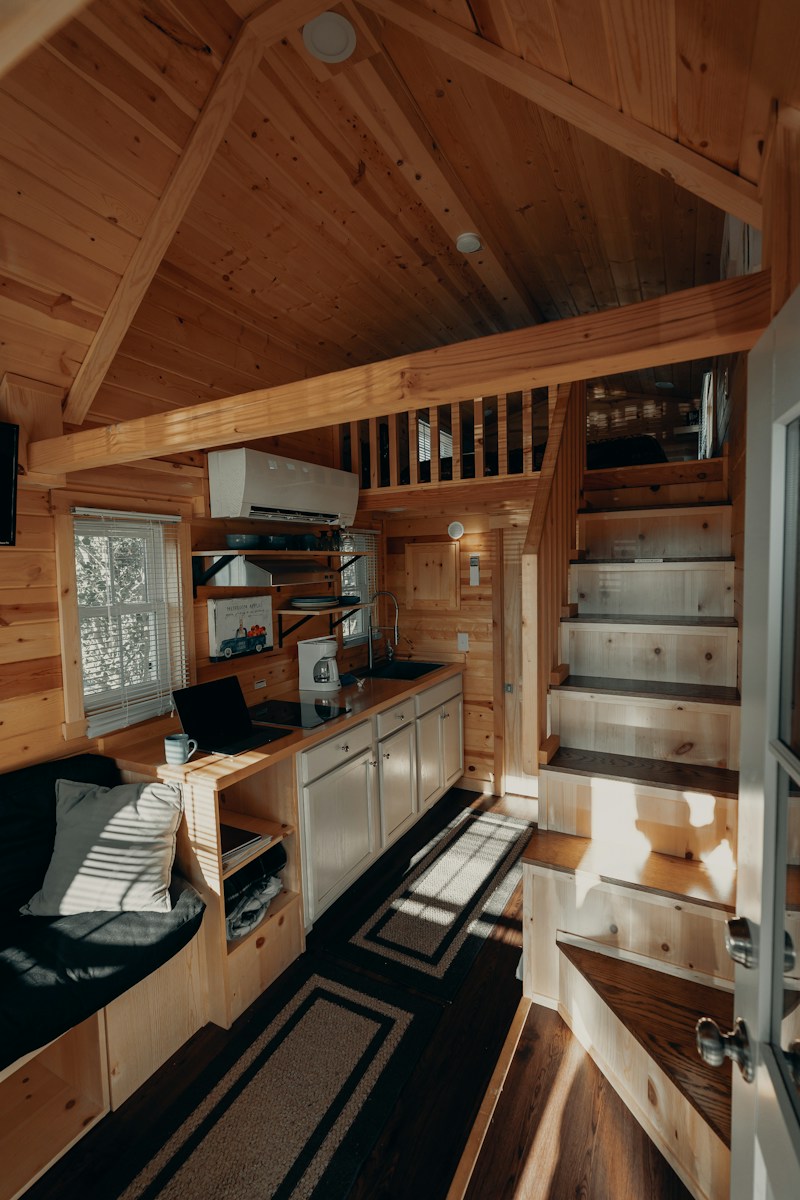
Tiny houses on wheels started as an individual lifestyle choice, one home at a time, often parked on a friend’s spare land or a rural lot with a lenient zoning code. They have since scaled into their own category of planned residential community, with entire neighborhoods now purpose-built around nothing but small, wheeled dwellings — and waitlists for a single lot in some of these communities now stretch well past a year.
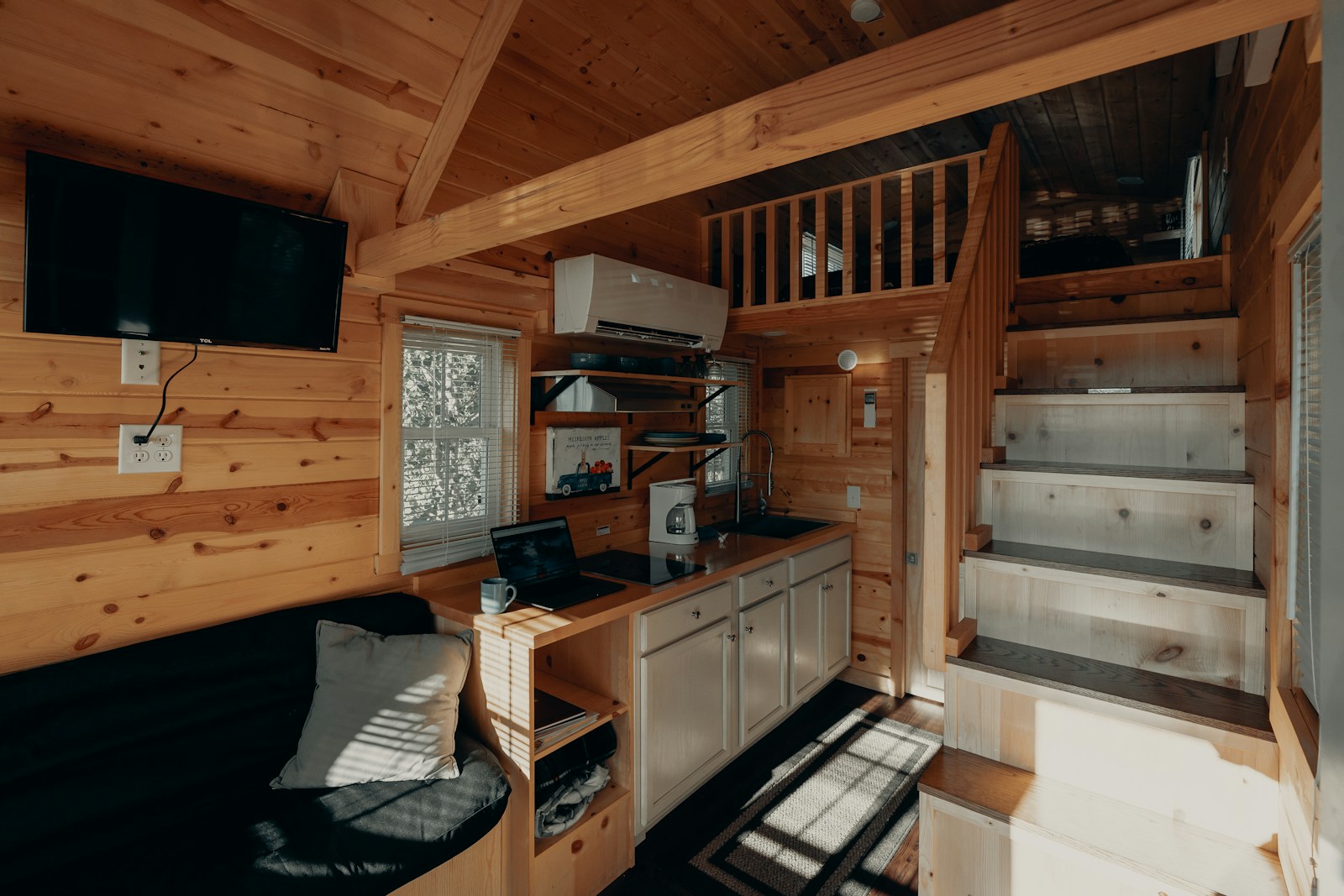
Why Developers Started Building for Tiny Houses Specifically
Traditional zoning in most municipalities was never designed with tiny houses on wheels in mind, treating them as either recreational vehicles unsuitable for permanent residence or as structures that do not meet minimum square footage requirements for standard housing. Purpose-built tiny house communities solve that problem at the source, developed under zoning specifically negotiated or designated to allow small dwellings as legitimate long-term residences, complete with dedicated utility hookups, shared amenities, and a legal framework that protects residents from the patchwork enforcement tiny house owners have historically faced parking on ordinary residential lots.
Who Is Actually Waiting for These Lots
Demand skews toward buyers who have been priced out of conventional homeownership entirely but still want the stability of an actual owned address rather than an apartment lease — including younger buyers who cannot assemble a conventional down payment, retirees looking to downsize dramatically and reduce their housing costs, and homeowners drawn to the reduced environmental footprint and lower utility costs of a genuinely small home. For many of these buyers, a purpose-built tiny house community offers something an isolated rural tiny house on borrowed land cannot: an actual community of similarly minded neighbors and long-term security about their right to stay.
Why Waitlists Have Gotten So Long
The supply of properly zoned, utility-equipped tiny house communities remains extremely small relative to demand, since developing one requires clearing the same zoning hurdles tiny house advocates have fought for years, then investing in the same infrastructure a conventional subdivision needs — roads, water, sewer or septic, and electrical hookups — scaled down for tiny lots rather than full-sized ones. With so few developers willing to take on that zoning fight and infrastructure investment for a niche product, the handful of established communities that do exist have accumulated waitlists that now regularly exceed a year for a single available lot.
What This Means for the Category’s Future
The gap between demand and available lots has not gone unnoticed by developers watching the affordability crisis play out in conventional housing, and more tiny house communities are in various stages of planning and zoning approval across the country in response. Whether supply ever meaningfully catches up to demand likely depends on how many more municipalities are willing to update zoning codes specifically to accommodate small-footprint, wheel-based housing as a legitimate long-term residential category, rather than treating it as a novelty exception granted one project at a time.
Leave a Reply