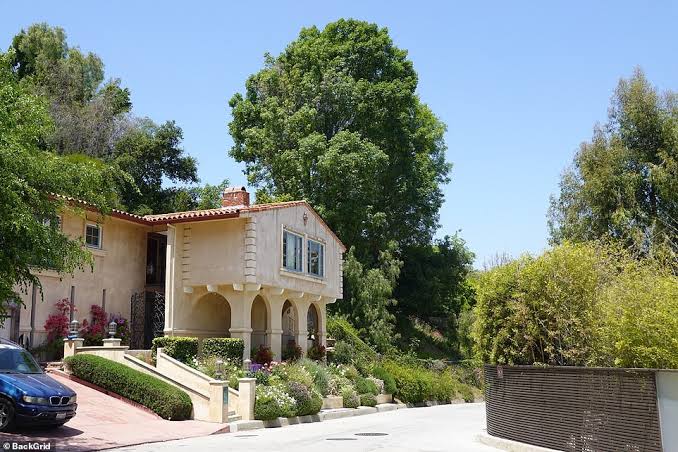
Actor Chris Pine has spent years tangled in a Los Angeles legal dispute that started, according to court filings, with something as ordinary as a few trees planted along a shared property line — and escalated into a fight over hundreds of thousands of dollars in alleged damage to a neighbor’s home and pool.
How a Property Line Dispute Turned Into a Lawsuit
Music attorney Helen Yu sued Pine, alleging that Ficus Benjamina trees he planted near their shared boundary in Los Angeles have extremely invasive root systems that caused cracked walls, damaged plumbing and pipes, and damage to her pool and pool deck, according to reporting on the case. Ficus Benjamina is a species widely known among landscapers and arborists specifically for aggressive, far-reaching roots that can travel well beyond a tree’s canopy in search of water, making it a common source of this exact kind of neighbor dispute when planted too close to a property line.
Pine’s Countersuit Adds a Twist
Rather than simply disputing the extent of the damage, Pine countersued with a different core claim entirely: that Yu had “misplaced” her own fence by eight to ten feet onto his property when he purchased his home in 2010, meaning the trees she says are causing damage may never have actually been planted on her side of the true property line in the first place. That defense reframes the entire dispute from a question of tree-root liability into a more fundamental boundary-line disagreement — one that a resolution would need to settle before the damage claims could even be properly evaluated.
Why the Case Has Dragged On for Years
Yu sought roughly $267,000 in damages, while Pine offered $75,000 to settle his own countersuit, and the two sides have been unable to reach an agreement despite years of litigation. Court records show the case has been slowed by procedural disputes, including a judge ordering Pine to appear for a deposition after his legal team cited scheduling conflicts with another trial for previously missed sessions — the kind of procedural friction that keeps a relatively contained property dispute grinding through the court system far longer than either side likely anticipated when it began.
What the Dispute Illustrates for Ordinary Homeowners
Pine’s case may involve unusually high-profile parties and unusually large damage figures, but the underlying dynamic is one property attorneys see constantly in ordinary neighbor disputes: a tree planted without full confidence in exactly where the property line sits, root damage that only becomes obvious years after planting, and a resolution complicated by boundary questions neither side considered before the tree went into the ground. For any homeowner planting trees near a shared property line, the case is a reminder that a fast-growing, invasive-rooted species planted a few feet in the wrong direction can turn into a years-long legal entanglement regardless of how ordinary the original planting decision seemed at the time.
Leave a Reply