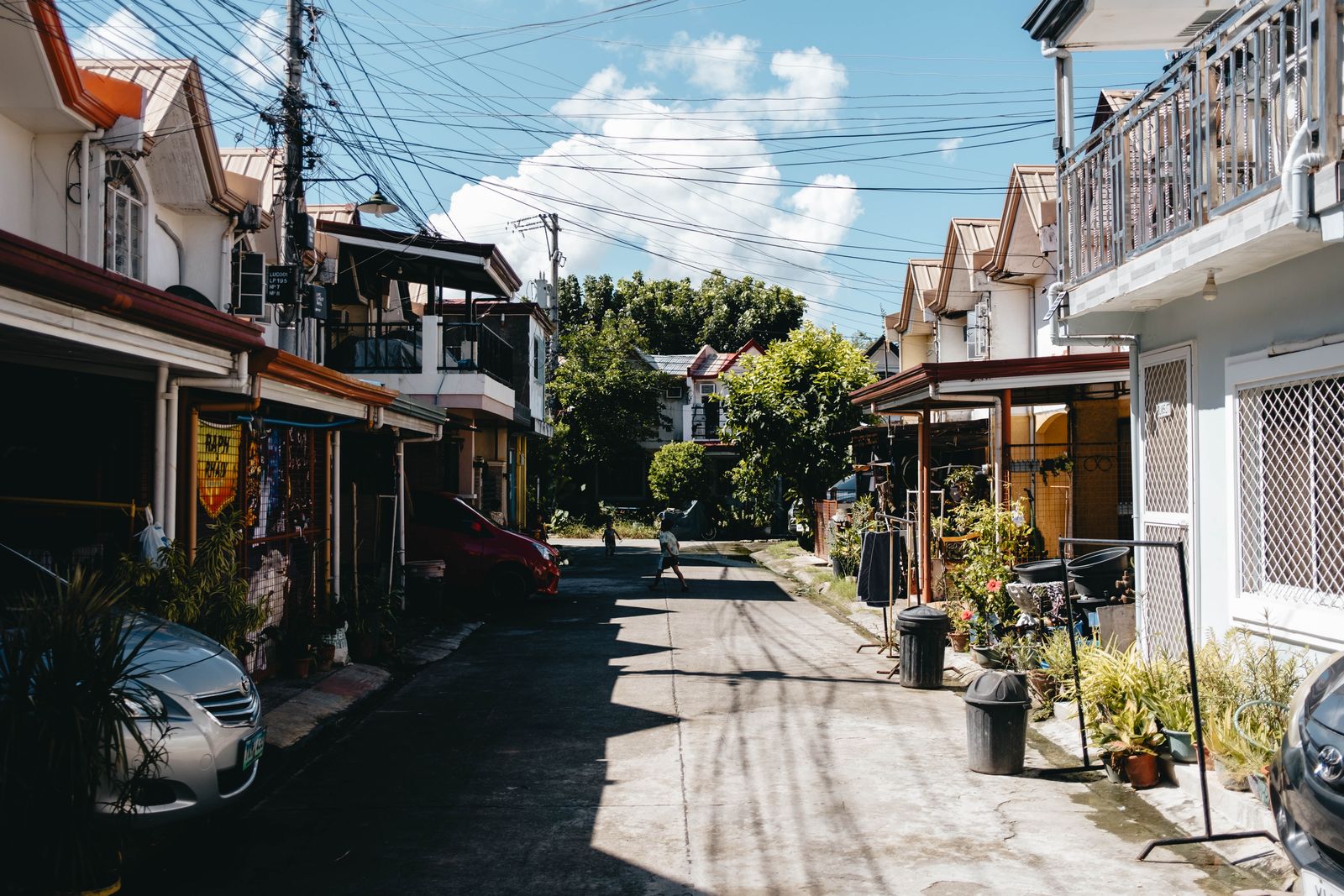
The homeowners association for the Daniel Park subdivision in Dacula, Georgia, budgets about $40,000 a year in fine revenue. Somewhere along the way, that number stopped being a budget line and started being a business model, with residents saying the HOA has issued more than $400,000 in fines and is now moving to foreclose on the people who cannot pay them.
A $500 fine for a tree the HOA already approved cutting down
According to WSB-TV, the Daniel Park HOA collected roughly $200,000 in fines between January and October alone, five times its own budgeted figure, on its way to a total exceeding $400,000. The violations behind those fines are, by residents’ own accounts, strikingly minor. Homeowner Tim Gorisek says he was fined $500 for cutting down a tree he had already gotten the HOA’s approval to remove, a sequence of events that undercuts any claim the fine was really about protecting the neighborhood’s landscaping standards. Leaves left on the ground, a routine autumn occurrence in most of Georgia, have reportedly triggered fines as well.
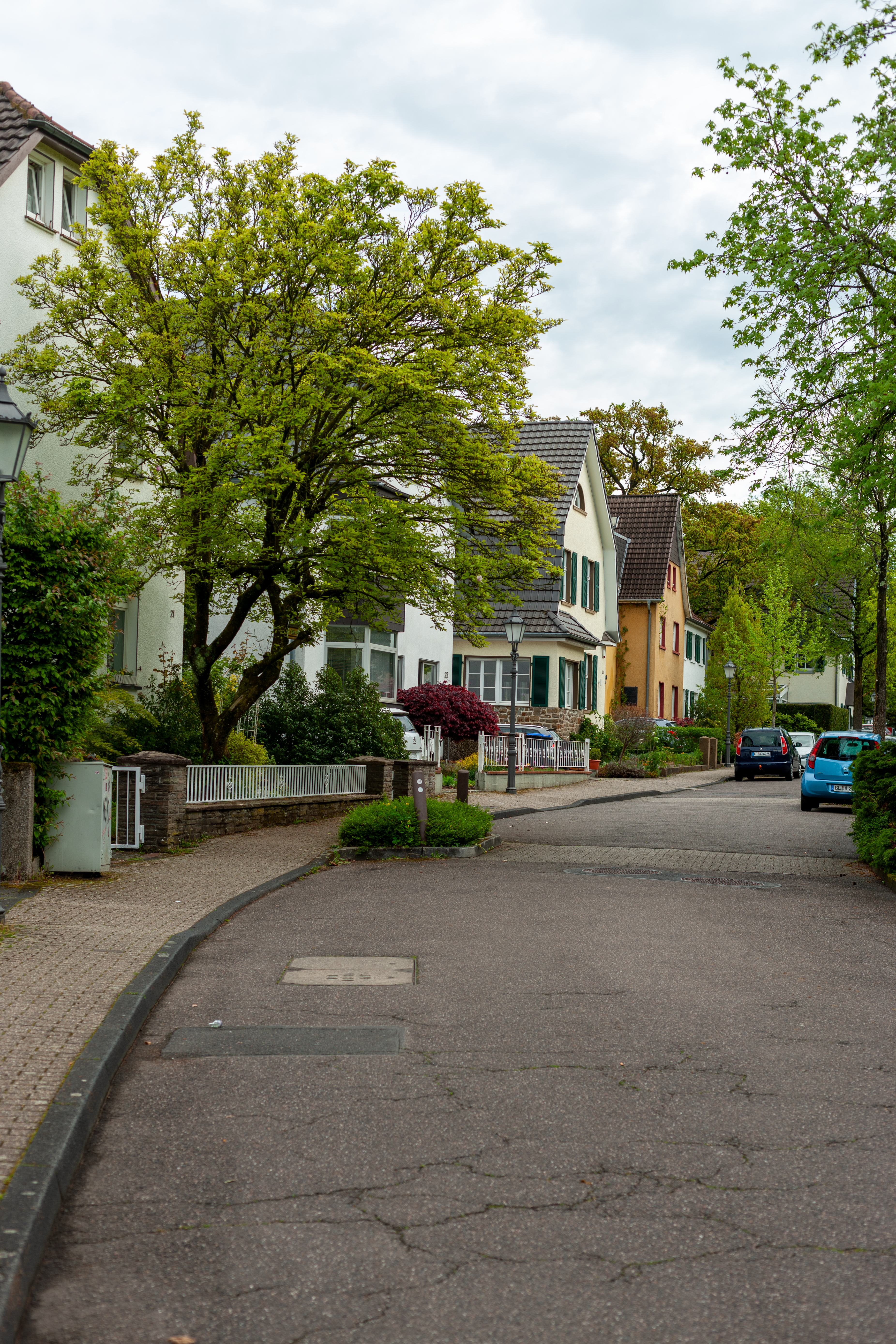
None of that would carry the same weight if the fines stayed fines. But WSB-TV reports the association is now using unpaid balances as grounds for foreclosure, turning a dispute over yard maintenance into a threat against someone’s actual home.
A 21-year resident facing a sheriff’s notice over a door
The clearest example involves Bryan Cherrie, who has lived in the neighborhood for 21 years. After a dispute over a home modification involving a door replacement, Cherrie received a sheriff’s foreclosure notice in April demanding $37,000 the HOA says he owes. Two decades of residency in a subdivision, reduced to a five-figure debt claim over a door, is the kind of detail that tends to catch a community’s attention, and it has: neighbors have rallied around Cherrie’s case as evidence of how far the association’s enforcement has drifted from anything resembling proportionality.
No elections in a decade, and records residents can’t get
The governance picture behind the fines looks just as troubled. Residents say the HOA board has not held an election in roughly ten years, with most current members simply appointed rather than voted in. Getting basic records, board minutes, financial statements, voting histories, has reportedly been a struggle for homeowners who ask. Resident Noel Rooney has been among those pushing for a transparent board that does not require homeowners to beg for their own association’s records. Her read on the finances lines up with the numbers: the HOA’s cash reserves appear to have been built on fines rather than dues, a description that tracks with an association collecting five times its budgeted fine revenue in ten months.
Even attempts to organize around the issue have hit resistance. A scheduled HOA meeting was reportedly canceled after the venue declined to host it, leaving residents without even a forum to raise these concerns directly with the board issuing the fines.
When enforcement outgrows its purpose
Homeowners associations exist, in theory, to protect property values and keep a neighborhood’s shared spaces and standards consistent. Fines are supposed to be a deterrent for genuine problems, an unmowed lawn left to rot for months, a structure built without approval, not a revenue stream collected against homeowners for cutting down a tree the board itself signed off on. When a $40,000 annual fine budget turns into $400,000 collected, and when a two-decade resident ends up facing a sheriff’s notice over a door, the math suggests an association enforcing its rules for reasons that have little to do with the rules themselves.
What comes next in Daniel Park likely depends on whether residents like Rooney and Cherrie can force the kind of transparency they say has been missing for a decade, records, an election, some outside accounting of where that fine money actually went. Until then, homeowners in one of Dacula’s established subdivisions are left watching an HOA that was supposed to protect their investment instead threaten to take it.
Georgia’s HOA foreclosure process moves faster than many homeowners realize, and unlike a traditional mortgage default, a dues or fine dispute can escalate to a sheriff’s notice without ever going through a courtroom first. That gap is exactly what residents in Daniel Park say they are now confronting, a board with no election history and little transparency, wielding a foreclosure power that was designed for genuinely delinquent accounts rather than a homeowner who followed the rules and got fined anyway. For neighbors watching Cherrie’s case unfold after 21 years in the subdivision, the lesson landing hardest is not about lawn care or door replacements at all. It is about how much power an HOA board can accumulate long after anyone in the neighborhood actually voted for it.
Leave a Reply