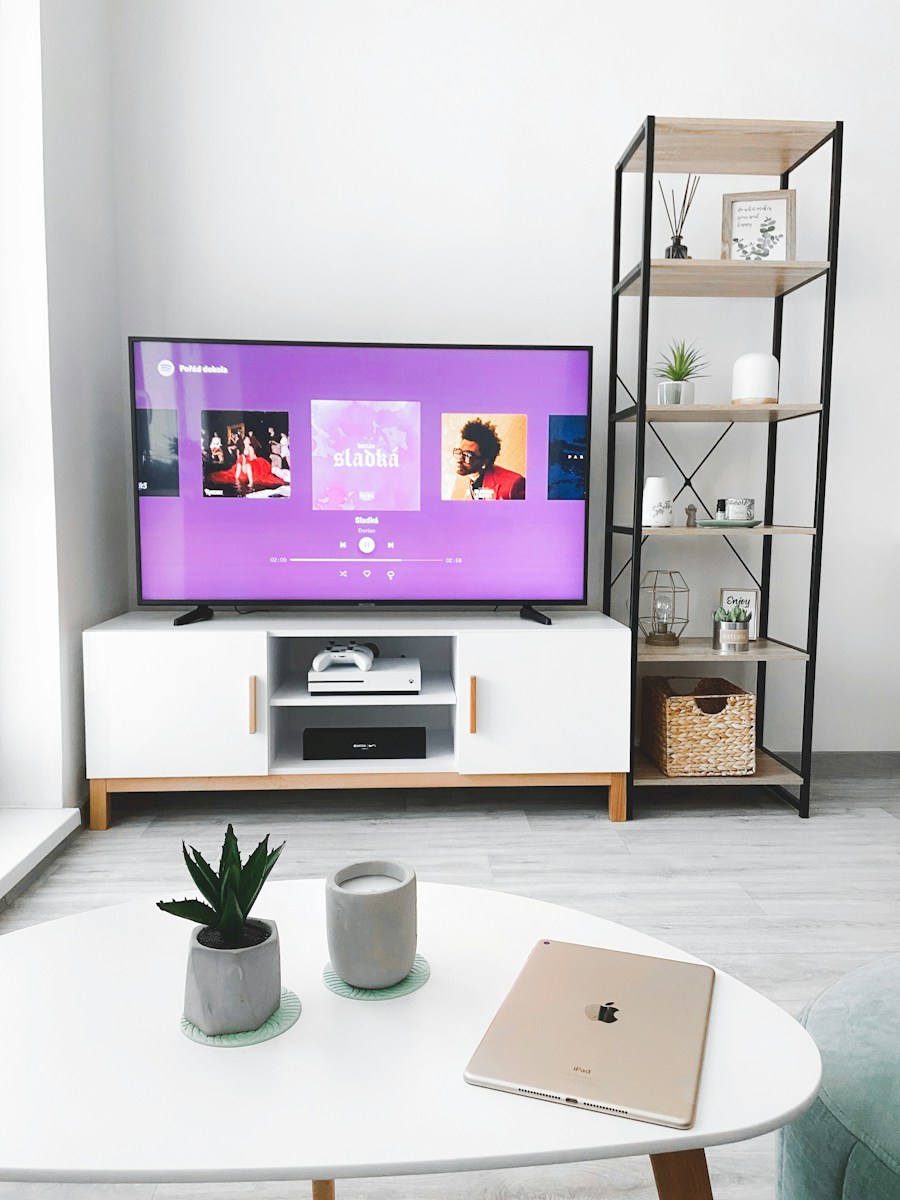
Sometime around 3:36 a.m. Eastern on August 18, 2026, smart speakers and displays in homes around the world simply stopped working right. Nest Hubs froze on white loading screens, Google Home speakers stopped answering questions, and routines that normally turn on porch lights or start the coffee maker just quietly failed to fire. For roughly twelve hours, until the issue cleared around 3:25 p.m. Eastern, unplugging the hardware did nothing, because the hardware was never the problem.
What people actually experienced
Reports described devices stuck on blank white screens or endless loading animations, voice commands that went unanswered or came back with long delays, and automations that silently skipped their scheduled actions, according to Android Authority. Some third-party smart displays running Google Assistant were affected as well, alongside Google’s own Nest hardware. Android Central reported the same pattern across a wide range of devices and noted that complaints rose sharply through the overnight hours as more households in different time zones woke up to non-functional gadgets. Because the outage started in the very early morning hours on the East Coast, plenty of households didn’t discover anything was wrong until they tried to ask for a weather update or a morning playlist and got nothing back.

Unplugging it didn’t help, and that’s the actual story
The standard troubleshooting advice for a misbehaving smart device is to power cycle it, and for most glitches that works. Not this time. Device reboots, router restarts, and even full factory resets left affected Nest Hubs stuck on the same white or loading screen, because the failure lived on Google’s servers rather than on any individual device. A smart speaker or display is, by design, mostly a microphone and a screen wired to a cloud service that does the actual thinking. When that service goes down, the physical object in your kitchen becomes an expensive paperweight no matter how many times you unplug it. That distinction, hardware failure versus backend failure, is the part most affected users never see, since from the living room the symptom looks identical either way.
No warning, and not much explanation either
Part of what made the outage frustrating is that Google does not run a public status page for Home and Nest devices, and the company did not address the disruption on its official social accounts while it was happening. Users were left piecing together what was going on from outage-tracking sites and each other’s device symptoms rather than any official acknowledgment in real time. By the afternoon, the issue resolved and devices began responding normally again, but no detailed public explanation of the underlying cause followed the fix. For a class of product that markets itself on convenience and reliability, that silence during a global outage is arguably a bigger letdown than the outage itself. Competing smart home platforms have had similar communication gaps during their own outages over the years, so this isn’t a problem unique to one company. It does mean that anyone trying to figure out whether a frozen display is a local network issue or something bigger is often left guessing, refreshing outage-tracking sites and comparing notes with strangers online rather than getting a straight answer from the company that built the device.
The bigger pattern behind one bad day
Smart home adoption has moved well past the early-adopter phase. Millions of households now use a voice assistant or connected display to manage lights, thermostats, locks, cameras, and daily routines, often across several rooms and several device brands tied into the same ecosystem. That convenience comes with a quiet trade-off: when the backend serving those devices has a bad day, everything tied to it stops working at once, and there is no local backup mode to fall back on. A single server-side failure briefly took a huge number of otherwise fully functional gadgets offline worldwide, and there was nothing an individual homeowner could do about it beyond wait. It’s a useful, if mildly unsettling, reminder for anyone leaning on smart hubs for anything time-sensitive, like unlocking a door or turning off a stove reminder, that the “smart” part of a smart home lives somewhere else entirely, on a server you’ll never see and can’t restart yourself.
What households can actually do about it
There’s no setting that makes a household immune to a server-side outage like this one, but there are ways to limit how much a bad day for one company’s cloud can disrupt daily life. Keeping a small number of manual light switches, physical door locks, and battery-powered backups for anything genuinely critical means a household isn’t fully stranded when the voice assistant goes quiet. It’s a low-tech insurance policy against a high-tech convenience, and outages like this one are the clearest argument for keeping it in place even after everything is back online and working fine.
Leave a Reply