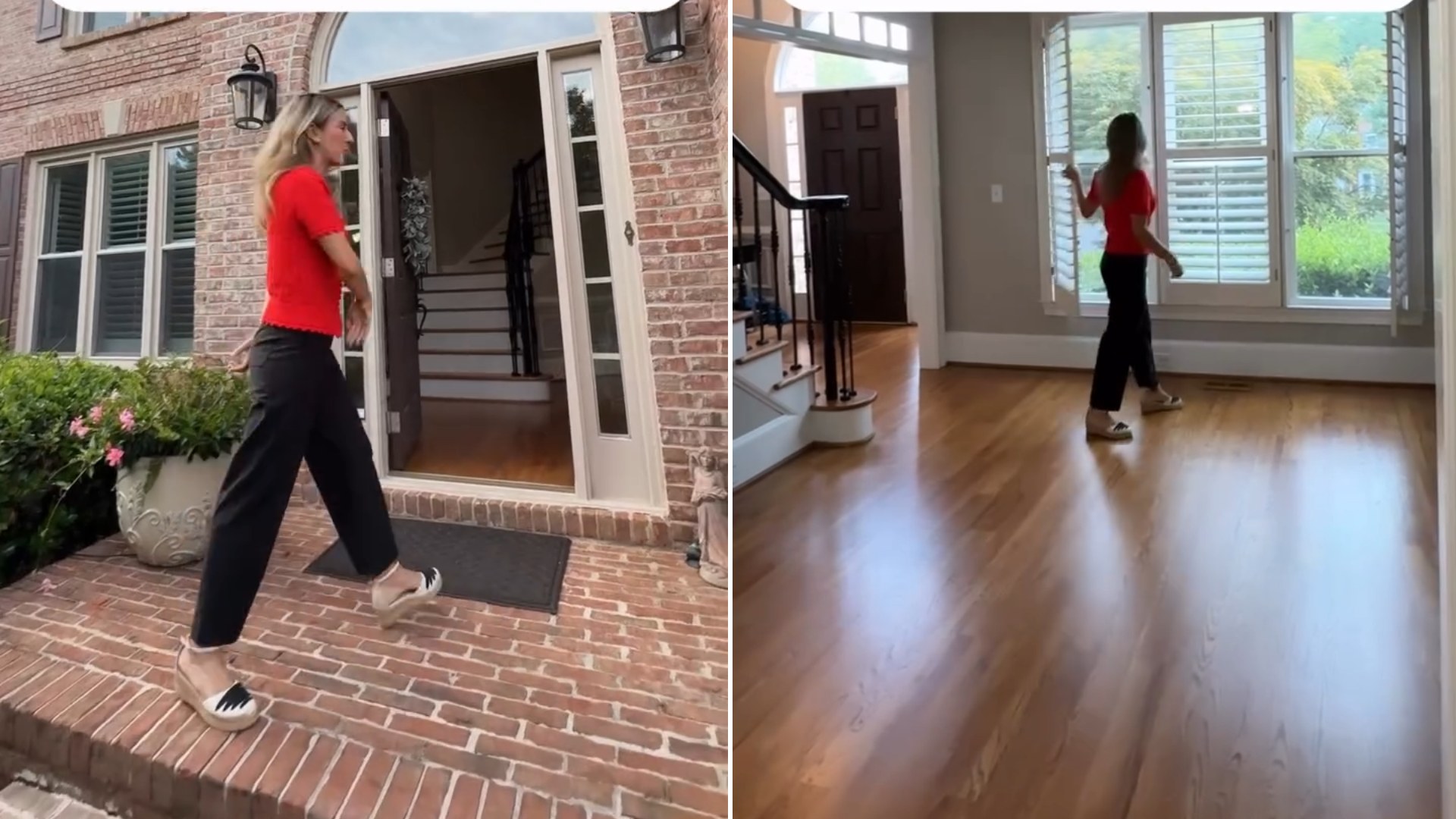
Closing on a house is supposed to be the finish line. For one buyer, it turned out to be the starting point of a completely different story, one that only began once the moving truck was already unloaded and the keys were sitting on the kitchen counter.
The account comes from a real estate agent who posts under the handle homesbyvivi, describing a closing that went exactly the way it’s supposed to. In her own Instagram video, she recounts handing over the keys to a buyer who moved in the very next week, only for that buyer to immediately discover something about the new neighbor that had never once come up during the entire process leading up to escrow.
Her caption sets up the contrast plainly: “The buyer moved into their new home and… Closing went perfectly and I handed them their keys.” The pause built into that caption is doing a lot of work. Everything up to the handoff was smooth. What came after wasn’t part of the script at all.

The gap nobody talks about during escrow
Real estate transactions are built around disclosure requirements, inspection reports, title searches, and a stack of paperwork designed to surface anything material about the property itself. What they’re notably bad at surfacing is information about the people who happen to live next door. There’s no standard form for “here’s what your future neighbor is actually like,” and buyers routinely find that out only after they’ve already unpacked.
That gap is exactly where this story lives. Nothing about the neighbor situation showed up in the disclosures, the walkthrough, or any conversation during the sale, according to the agent’s account. It simply wasn’t the kind of thing anyone thinks to ask about until it’s already affecting daily life on the other side of a fence or a shared driveway.
Agents see this pattern often enough that it’s become something of a known blind spot in the business. A house can pass every inspection, clear every contingency, and still come with a surprise that has nothing to do with the structure itself. Buyers tend to focus their questions on the roof, the foundation, the HVAC system, the things a home inspector can actually put in a report. Nobody puts “difficult neighbor” on a checklist, because there’s no reliable way to check for it in the first place.
Why this resonated with so many buyers
The reaction to the video points to how common this exact scenario actually is. Plenty of buyers have their own version of moving in and discovering a neighbor dynamic nobody warned them about, whether it’s a boundary dispute that predates the sale, a personality clash that surfaces almost immediately, or something the previous owner clearly knew about and simply never mentioned on their way out the door.
Sellers aren’t always required to disclose neighbor conflicts unless they rise to the level of a legal dispute affecting the property, like an easement fight or a lawsuit over a shared fence. Short of that threshold, a seller can leave town without ever having to say a word about the neighbor who complains about every parked car or the one who’s been in a decades-long feud with half the block. That legal gray area is exactly what leaves buyers exposed to exactly the kind of post-closing surprise described in this account.
For an agent, stories like this one double as a quiet warning to future clients. However clean a transaction looks on paper, the human element of a neighborhood, who lives where, how they behave, what kind of history they might have with the property, sits largely outside what any contract can capture. Buyers can ask around informally, knock on a few doors before making an offer, or try to get a read on the block during a showing, but none of that guarantees a full picture.
What this buyer’s experience really underscores is a mismatch between how thoroughly a home gets vetted and how little gets vetted about the people who come with it. The paperwork can be flawless and the closing can go exactly as planned, and a homeowner can still end up learning the most important thing about their new address only after the moving boxes are already empty.
Leave a Reply