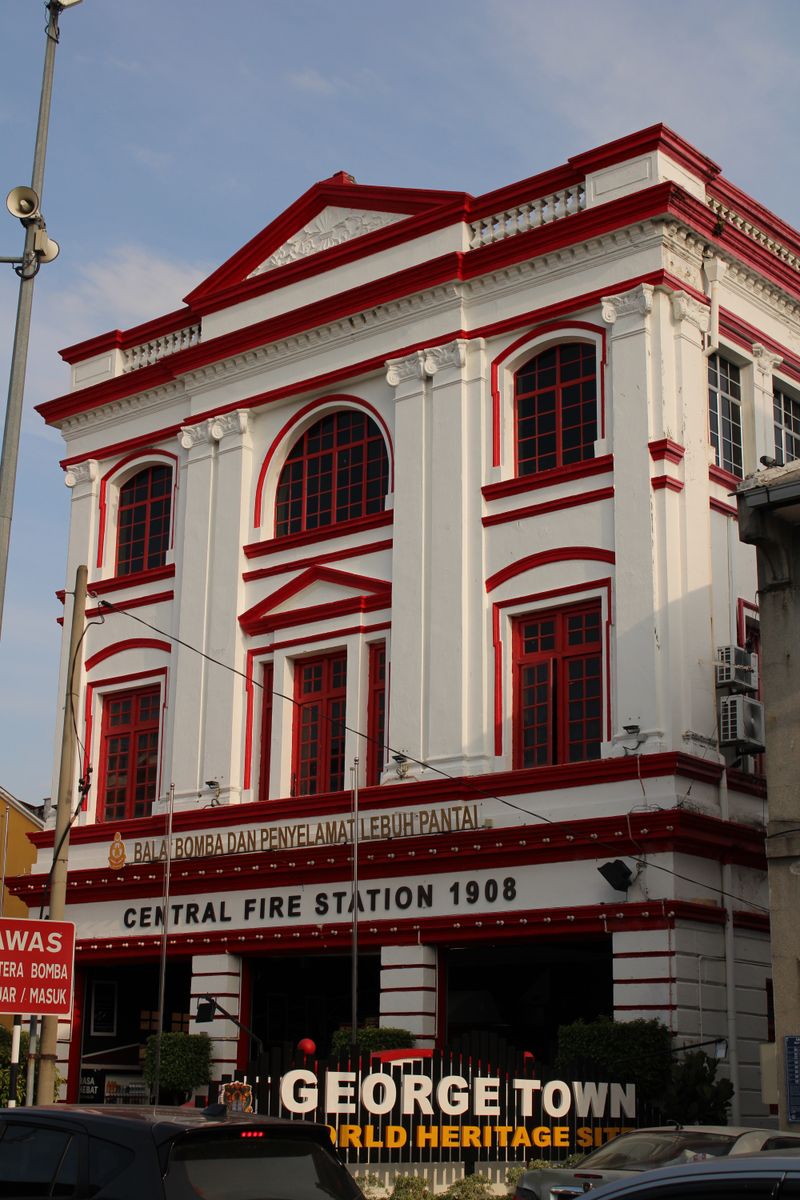
Old firehouses keep turning into houses, and the detail that survives the conversion almost every time is the one thing you’d expect a residential buyer to rip out first: the pole. Across a string of recent firehouse-to-home projects, from a 19th-century engine house in Washington, D.C., to a rural Alabama station built in 1872, owners and design teams have gone out of their way to keep the brass or steel running from one floor to the next rather than patch the hole and forget the building was ever a firehouse at all.
A pole that survived a full renovation
On R Street in Washington, D.C., a 19th-century firehouse converted into a residence still has its original fire pole running through the center of the hallway, and when a design team recently reworked the interior, their approach was to build the renovation around it rather than remove it — drawing attention to “the history of the 19th-century property” through the exposed brick, the oversized front windows, and the pole itself, according to UrbanTurf DC. Owner Michael Abbenante’s building had already been split into a rental configuration before the redesign; what the project preserved was the one architectural feature that makes the place unmistakably a former firehouse rather than just an old building with tall ceilings.
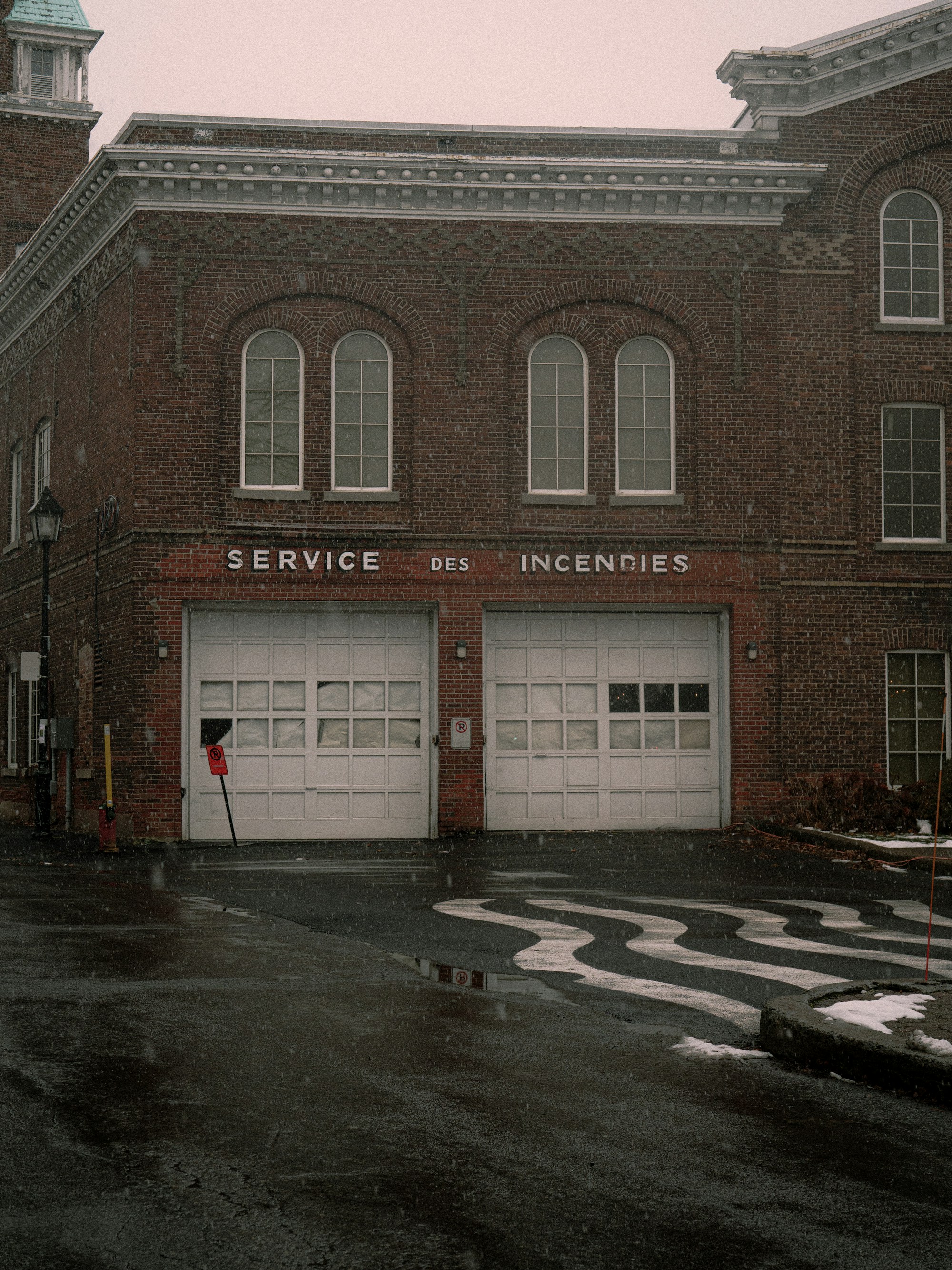
When the original pole is gone, buyers go find another one
Not every fire pole survives the decades between a station’s decommissioning and its second life as somebody’s living room. Creole Fire Station No. 1 in Alabama, built in 1872 and lived in for nearly 30 years by Tilmon and Jamie Brown before they listed it for sale, had lost its original brass pole at some point in its history — so Tilmon tracked down a period-correct replacement of the same era from Canada and installed it rather than leave the opening capped, according to Firehouse.com. That a homeowner would go looking overseas for an antique pole to replace one that was already missing says something about how central the feature is to what makes these buildings sellable as anything other than a generic brick box.
The pattern holds in newer listings, too. A converted three-unit firehouse from 1900 in Grand Rapids, Michigan, currently on the market for $1,395,000, was singled out publicly by the widely followed real estate account Zillow Gone Wild specifically because its original fire pole is “still there” after the full residential conversion — treated by the listing, and by the people sharing it, as a headline feature rather than a leftover to apologize for.
Active firehouses are moving away from poles — which makes the survivors rarer
The irony is that working fire departments have spent the last two decades phasing poles out. Most stations built since the 1990s and 2000s put crew quarters on the same floor as the apparatus bay, removing the need for a pole altogether, and departments that still have second-story dormitories have increasingly weighed the injury record against the seconds a pole saves, according to a history published by All Firefighter. Repeated ankle, knee, wrist, and back injuries from crews sliding down half-awake in the middle of the night have made poles “easier to frame as a preventable workplace hazard” than most fireground risks, and stations built with public money increasingly have to meet accessibility requirements a single-purpose pole shaft can’t satisfy. The first fire pole went into service at Chicago’s Engine Company 21 in 1878; more than a century later, it’s becoming the exception rather than the rule in new construction.
That decline is part of what makes a preserved pole a selling point rather than a liability once a station changes hands. A converted firehouse near Lafayette Square in St. Louis, listed by agents John Grass and Fritz McAvoy of McAvoy Realty for $1,650,000, still uses its original ground-floor truck bay as the entry sequence buyers walk through first, according to St. Louis Magazine — the kind of space that only reads as a former firehouse because the building didn’t get scrubbed of what it used to be.
The pole is the point
What’s consistent across these projects isn’t a single sentimental owner but a pattern: firehouses sell, and sell for more, when the renovation leans into the building’s former job instead of erasing it. Real estate agents marketing these conversions consistently lead listing photos with the truck bay, the exposed brick, and — wherever it survived, or wherever a buyer went to the trouble of sourcing a replacement — the pole. A fire station’s floor plan, with its oversized bay doors and open ground floor built for parking a truck, doesn’t naturally suggest a cozy single-family layout. The pole is what tells a buyer walking through what the building used to be, and it’s apparently worth more intact than removed.
For a certain kind of buyer, that’s the entire appeal of a firehouse conversion in the first place: not a blank historic shell, but a house that still remembers what it was built to do.
Leave a Reply