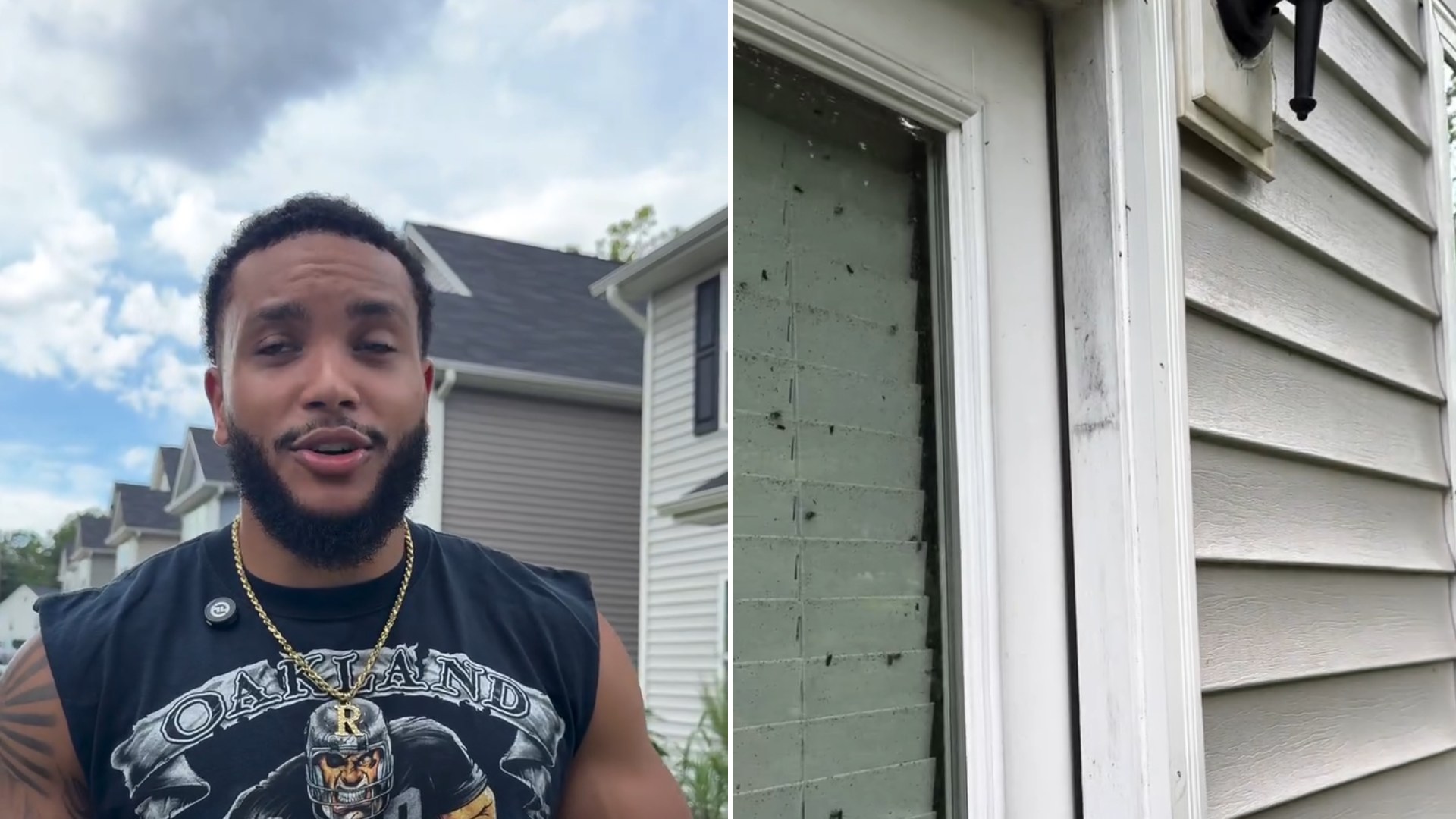
Few moments in property management carry as much anticipation as the first walk-through after a tenant is gone — the door finally opens on a chapter you’ve been bracing for.
That’s the setup for a video from a landlord posting as @josiahroebuck, who documents his experience entering a rental property immediately after evicting a tenant. The caption teases what’s ahead with a warning: “Everything changed after this,” alongside hashtags referencing real estate investing, landlording, eviction, and tenants. According to the video, the situation is framed as a “tenant from hell” story, though the specifics of what he finds are held back as a tease rather than laid out in full.
The format itself — camera rolling as the door swings open — has become a familiar one in the landlord and real-estate-investor corner of social media, where creators walk audiences through the messier, less glamorous side of owning rental property. Eviction is often discussed in the abstract, as a legal process with paperwork and court dates; this video instead puts a viewer inside the moment right after that process ends, when a landlord is seeing the physical state of a home for the first time in however long the dispute dragged on.
The clip has found a large audience, racking up 8.8 million views on an account with 591,000 followers — numbers that reflect just how much appetite there is for real, unfiltered looks at the landlord side of the rental equation, a perspective that’s often overshadowed online by renter-focused content.
Videos like this one have become something of a staple in the landlord-investor corner of social media precisely because they promise a payoff — a look inside a space that’s been off-limits to the camera until the legal process finally concluded. The teaser format, holding back the reveal of what’s actually inside, is part of what keeps an audience watching for the next installment.
The genre has grown alongside a broader wave of landlord-focused content responding to years of renter-centric storytelling online — creators presenting the financial and logistical realities of managing rental property from the other side of the lease, often to an audience that assumed only one perspective got airtime.
What to Expect Walking Into a Property After an Eviction
Move-out walk-throughs — whether after a voluntary lease end or a more difficult eviction — are one of the most important, and most avoidable-conflict-prone, parts of the rental relationship. For landlords, documenting the condition of a unit thoroughly with photos, video, and a written checklist protects both the owner and any future claim on a security deposit; doing it consistently, for every tenant, also helps keep the process feeling procedural rather than personal.
For tenants, understanding your local eviction laws matters just as much. Eviction processes are governed by state and sometimes city law, and tenants generally retain certain rights even after a judgment — including, in many places, a window to remove belongings and formal notice requirements a landlord has to follow before re-entering or disposing of property left behind.
Whichever side of the door you’re standing on, clear documentation is the throughline: dated photos, a written move-in and move-out inspection, and a paper trail of communication go a long way toward preventing “tenant from hell” or “landlord from hell” stories from happening in the first place — and toward resolving them fairly when they do.
It’s also worth noting that what a landlord finds during a post-eviction walk-through can shape more than just cleanup costs — depending on the state, it may factor into small claims filings against a former tenant’s security deposit or even a separate damages claim. Keeping receipts for any repairs and cleaning, alongside the photo and video documentation, gives a landlord the strongest possible footing if the dispute isn’t fully over once the door finally opens.
Whatever this particular walk-through reveals, the pattern it’s built around — documentation as protection — applies just as much to tenants as landlords. Photographing a unit’s condition at move-in, keeping it on file, and requesting a written receipt for any deposit paid protects a tenant just as thoroughly as it protects the owner on the other end of the lease.
You can watch the full video and follow @josiahroebuck on Instagram for more.
Leave a Reply