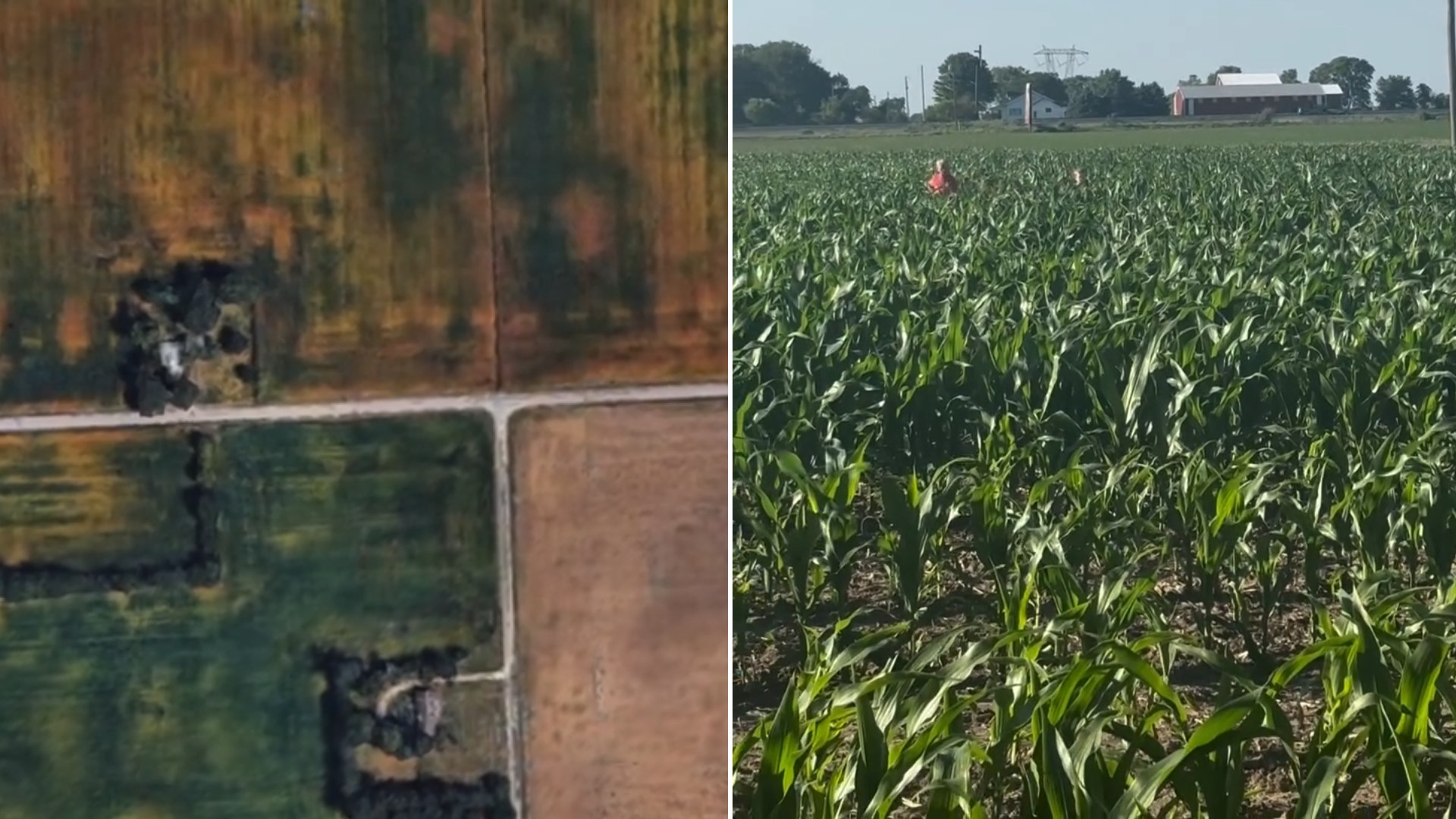
There’s a particular kind of dread that comes with watching survey stakes go up around your own home — the sense that decisions being made somewhere else are about to reshape the place you live.
That’s the story a homeowner posting as @the_tithing_garden on Instagram has been telling in a series of clips and text overlays, narrating her personal struggle against a property developer planning to build around her home. Her caption is a direct appeal to her audience: “Just help me get this in front of the right person. Maybe we get the land. Maybe we don’t. But we’…” — a message cut off mid-sentence, but clear in its urgency.
Rather than a single video explaining the whole situation, the story unfolds episodically, built from clips stitched together with on-screen text — a format that mirrors how these fights often actually play out in real life: not as one dramatic confrontation, but as a slow, uncertain campaign for information, allies, and leverage against a process that can feel completely out of an individual homeowner’s control.
The series has reached a wide audience, pulling in 1.8 million views on an account with 1,300 followers — a reach far beyond what the account’s existing community alone could explain, suggesting the story of one homeowner against a developer resonated broadly with people who’ve felt similarly powerless watching change arrive on their own street.
The clip-by-clip, text-overlay style of storytelling she’s using is a common approach for creators documenting a slow-moving legal or civic fight — it lets an audience follow along in near-real time, picking up new context with each post rather than waiting for a single tidy explainer once everything’s resolved.
It’s worth noting how often these fights hinge on information asymmetry — a developer with engineers, attorneys, and a timeline already mapped out, against a single homeowner trying to piece together what’s actually being proposed from public notices and secondhand accounts, which is part of why building a coalition of neighbors matters as much as any individual argument.
What Homeowners Can Do When Development Moves In Next Door
Facing down a development project next door can feel like an uphill fight, but homeowners have more tools than it might seem in the moment. Most development and rezoning decisions go through a public process — planning commission meetings, zoning hearings, environmental review comment periods — that residents are legally entitled to weigh in on, and those windows are often where outcomes actually get shaped.
Start by requesting the project file from your local planning or zoning department; it typically includes site plans, environmental assessments, and a timeline for public comment. Organizing with neighbors matters too — a room full of residents at a hearing carries more weight than one voice, and a shared, factual set of concerns (traffic, drainage, tree loss, setback violations) tends to land better with decision-makers than general opposition to change.
It’s also worth reaching out to a local land-use attorney for even a single consultation; many offer free or low-cost initial calls, and understanding your actual legal standing — easements, property lines, existing zoning protections — early can save a lot of wasted energy later. Development fights are rarely won or lost in one dramatic moment; they’re usually won through persistence, paperwork, and showing up to every meeting that matters.
It’s also worth remembering that development timelines often move slower than they first appear, with multiple approval stages a resident can weigh in on along the way. Staying engaged through each stage — rather than treating an initial announcement as the final word — is often what actually determines whether a project moves forward as originally proposed or gets modified in response to community input.
Public comment periods, in particular, are often shorter and less publicized than residents expect — checking a local planning department’s calendar regularly, rather than waiting for a mailed notice, is frequently the difference between having a voice in the process and finding out about a decision after it’s already been made.
You can watch the full video and follow @the_tithing_garden on Instagram for more.
Leave a Reply