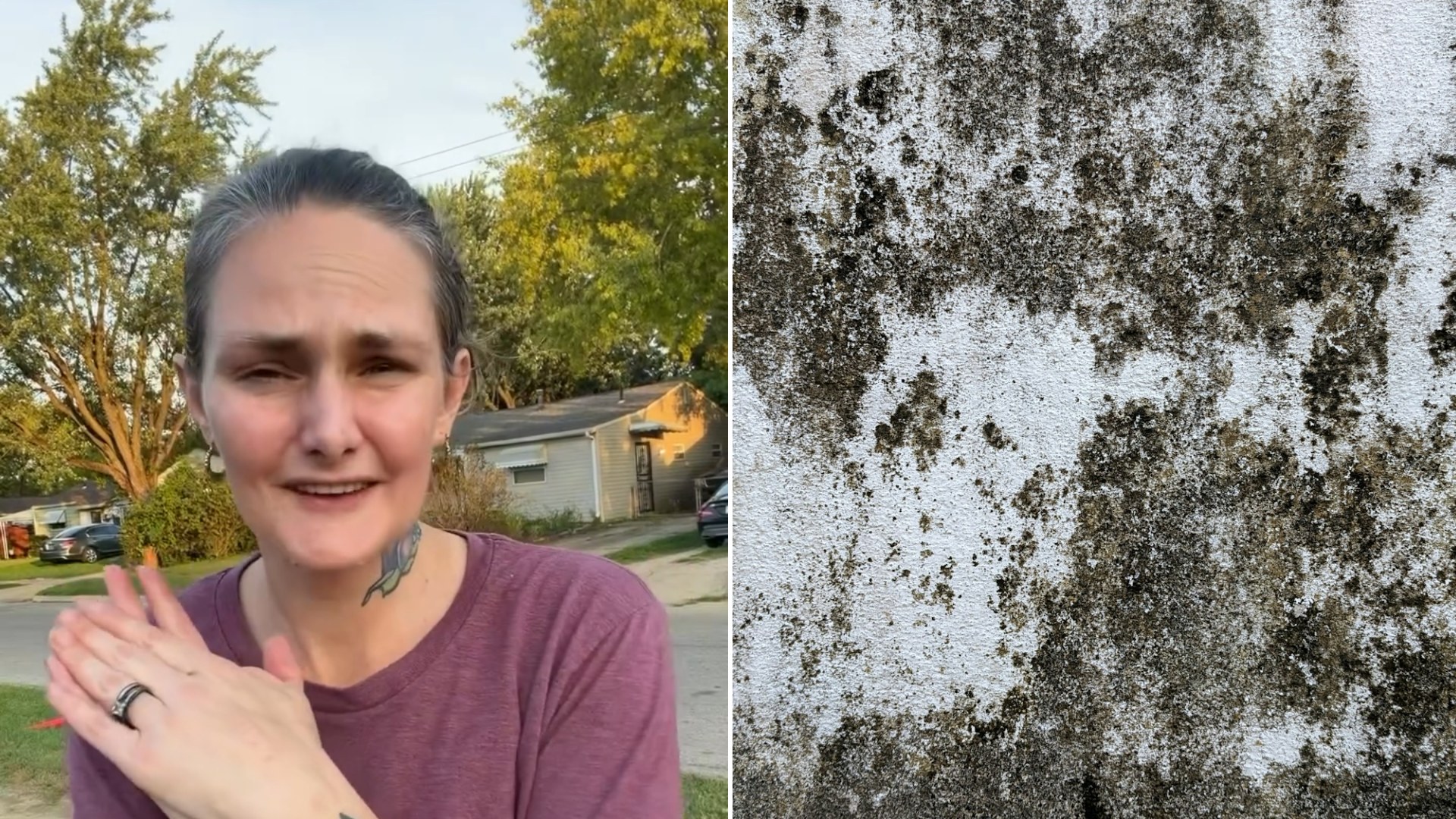
For families in housing crisis, the internet has become an unlikely lifeline — a place to ask strangers for help when there’s nowhere else left to turn.
That’s the situation described by a creator posting on Instagram as @sobermama_1, whose caption reads simply: “Day 32 of trying to get my kids into a safe home,” tagged with references to a safe home, micropayments, savings, and mold. According to the video, she provides a daily update on a crowdsourced fundraising campaign aimed at moving her children into safer housing, tying specific donation amounts to viewer engagement metrics as part of the ongoing series.
The day-by-day format is part of what makes the story land the way it does — rather than a single appeal, it’s a running log, each entry marking another day the goal hasn’t yet been reached. The video doesn’t detail the family’s full housing situation beyond what’s referenced in the caption, including the mention of mold, but the throughline across the series is a mother documenting, in real time, the effort to get her children somewhere safer to live.
The response has been substantial: the video has drawn 2.8 million views on an account with 48,300 followers, a reach that speaks to how many people are following along with — and apparently contributing to — a story that’s still unfolding one day at a time.
Documenting a fundraising effort day by day, rather than in a single appeal, also creates its own kind of accountability — an audience that’s watching closely tends to expect updates, which can help sustain momentum on a goal that might otherwise stall after an initial wave of attention fades.
The choice to tie donation amounts directly to engagement metrics also reflects how fundraising itself has changed — attention and dollars have become intertwined online, where a single share or comment can translate into real progress toward a goal that, offline, might otherwise move much more slowly.
How Crowdfunding for Housing Actually Works
Crowdfunding has become one of the more common ways families facing a housing crisis try to bridge an urgent gap, whether that’s a security deposit, an emergency move, or repairs needed to make a home safe to live in. It can genuinely work — platforms built for this purpose have helped many families relocate quickly when other options moved too slowly.
If you’re considering supporting a fundraiser like this, a little due diligence goes a long way: established crowdfunding platforms typically have some verification and reporting tools, and campaigns that link to a recognizable platform (rather than only direct payment apps) tend to offer more transparency and recourse if something looks off.
If you’re the one raising funds for a housing emergency, local resources are worth pairing with any online campaign — many areas have emergency housing assistance programs, domestic violence and family shelters, and nonprofit rental assistance funds that can move alongside a public fundraiser rather than instead of one. National hotlines like 211 (dial 2-1-1) can connect callers with local housing resources in almost any U.S. community, often the same day. A public campaign can raise urgent funds fast, but it works best as one piece of a broader plan rather than the only one.
It’s also worth knowing that some states have emergency housing funds specifically for families with children facing unsafe conditions, distinct from general homelessness services, and eligibility can sometimes move faster than people expect once an application is actually submitted. Pairing a public fundraiser with these formal applications, rather than relying on one or the other, tends to give a family the best chance at a fast, stable resolution.
It’s worth being cautious, too, about the pressure that daily public updates can put on someone raising funds under real stress — checking in with genuine support, not just tracking the numbers, is part of what makes an online community around a fundraiser actually helpful rather than just another source of pressure.
You can watch the full video and follow @sobermama_1 on Instagram for more.
Leave a Reply